A Shifting Historical Consciousness and Community Reckoning
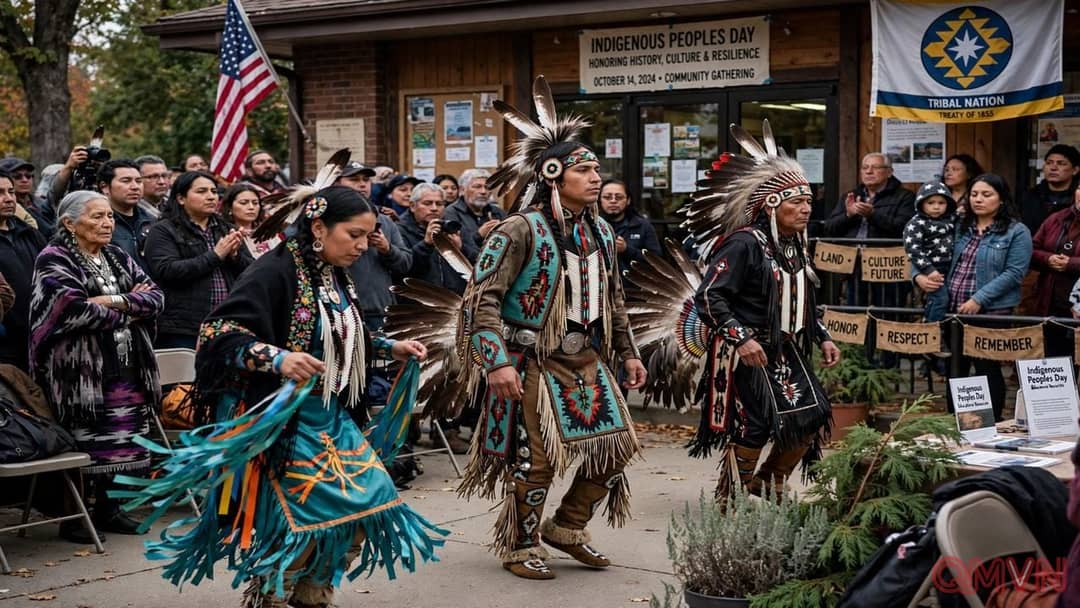
For generations, mainstream American history textbooks cast Christopher Columbus as an intrepid pioneer who single-handedly "discovered" a virgin New World. Yet modern scholarship and civic awareness have progressively exposed how that Eurocentric narrative actively obscured millions of Native Americans whose prosperous civilisations, complex trade routes, and sophisticated governance systems existed for centuries prior to the Spanish expedition.
Columbus Day is not just a holiday; it represents the violent history of colonization in the Western Hemisphere.
Archival documentation, including Columbus’s own navigational journals, confirms that upon his initial arrival in the Caribbean, he immediately mandated the subjugation of native inhabitants as personal servants. Subsequent atrocities, including forced labor in gold mines, severe mutilations, and sweeping atrocities, transformed the Genoese explorer into a deeply divisive figure, prompting American communities to reconsider the ethics of celebrating his landing.