AI, a lifeline amid an energy storm
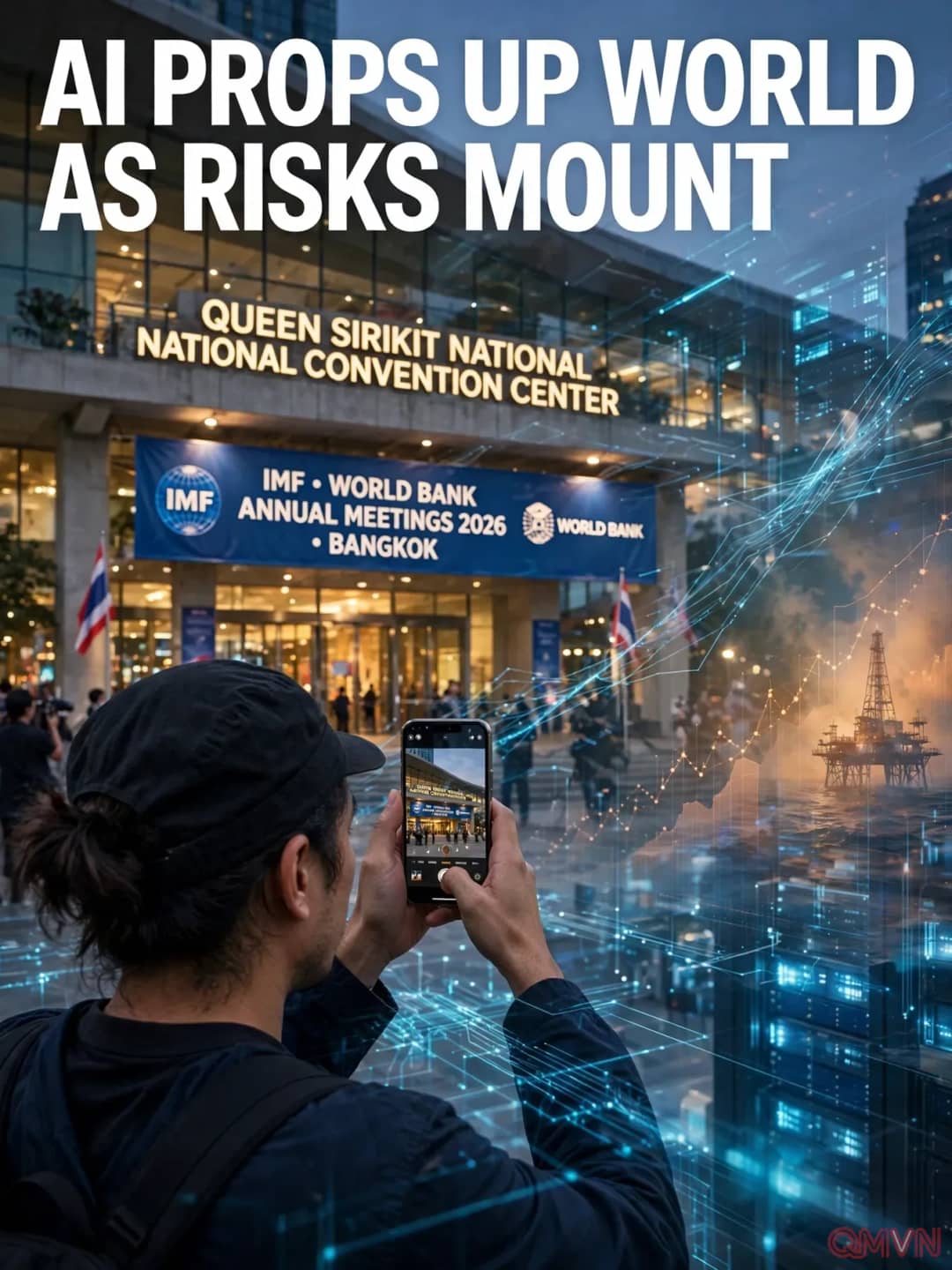
The IMF’s latest World Economic Outlook reveals a paradox: the war has dragged on longer than expected and oil prices remain high, yet the global economy is still holding above 3%. The 3.1% forecast for 2026 matches the most optimistic scenario the IMF set out in April, though it remains below 2025’s 3.5%. The key reason is the wave of investment in data centres, chips and AI infrastructure, lifting advanced economies as well as hardware suppliers such as South Korea, Malaysia, Mexico and host country Thailand.
Petya Koeva Brooks, the IMF’s deputy research director, said governments and companies moved fast to cushion the oil shock: drawing down reserves, switching suppliers, turning to other energy sources and cutting demand. Without those steps, global growth this year could have fallen to 2.5%. Their effect, however, is fading as the fighting continues.
“The global economy has been resilient, but that resilience is reaching its limits, so we need to move from just coping to rebuilding.” — Silvana Tenreyro
A divided picture among major economies
The most sobering finding in the report is divergence. Just 32 countries now account for 95% of global growth, down from 54 in April.