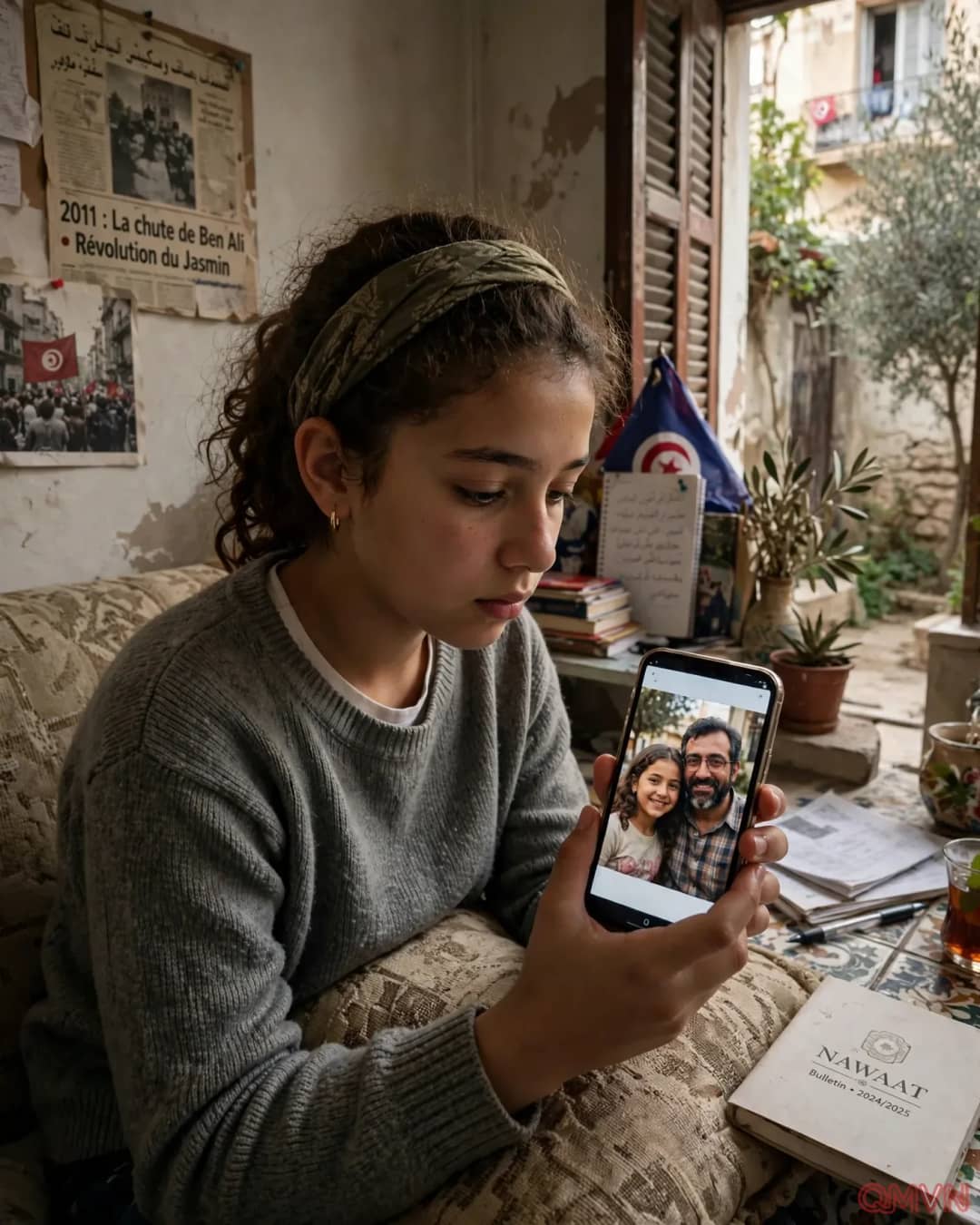
Living in a grey area
In a small garden in Tunis, about half a dozen reporters from the independent outlet Nawaat sit smoking, discussing investigations they plan to publish on subjects from the quality of drinking water to conditions in prisons. They know any of the stories could lead to prosecution. Editor-in-chief Aymen Rezgui says that before 2011 the limits were at least clear, whereas now everything is uncertain.
We are living in a grey area, as if we were in a shifting minefield, and we pay the price every day.
Nawaat regularly receives threats, both anonymous and from government supporters on social media who brand him a traitor. Last year, the outlet was also hit by a government order suspending its activities for a month.
An unprecedented wave of prosecutions
According to Zied Dabbar, head of the National Syndicate of Tunisian Journalists, pressure on the media has reached unprecedented levels. Notable cases include:
Last month Mohamed Yousfi, editor-in-chief of the independent news website Al-Qatiba, was arrested on his way to a private radio station for a live programme and charged with illicit enrichment, which he says is a fabrication.