Changes reach from elections to the military and police
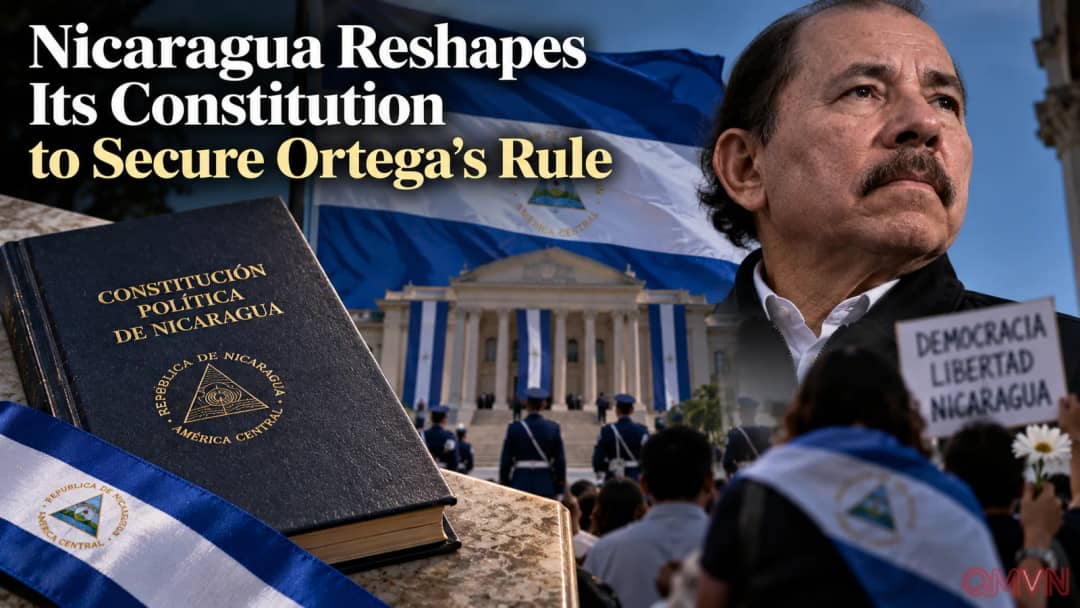
The constitutional package alters a broad range of institutions. According to the text published by Nicaragua’s National Assembly, terms for elected positions and many offices appointed or ratified by lawmakers would last seven years. The rule covers the co-presidents, legislators, municipal authorities and several judicial and electoral posts. The commanders of the military and police would also receive seven-year terms.
Reuters reported that the package passed its first legislative vote in early September. Nicaragua’s constitutional process requires approval in two separate legislative sessions, and Murillo said the second stage would begin on January 18, 2027. The amendments therefore have not yet completed the full ratification process.
The government says the reforms are intended to guarantee stability, security, peace and elections protected from foreign interference. That official justification is an important part of the record, but it sits alongside sharp criticism from opposition groups and foreign governments concerned about the concentration of political authority.
Article 47 becomes the centre of the dispute
The most controversial provisions concern eligibility for public office. EFE and Nicaragua’s official account say people defined as “traitors to the homeland,” those directly or indirectly connected with planning or carrying out a coup, advocates of foreign military intervention, recipients of certain foreign financing, or supporters of economic sanctions against Nicaragua may be prohibited from standing for election or occupying public posts.