MAIN ARTICLE
A courtroom cannot undo two losses
On November 5, High Court Justice Aidan Xu sentenced Huang Bocan to life imprisonment for murder after he pleaded guilty. Prosecutors and defence lawyers agreed that a life term was appropriate, and the judge did not impose caning. The legal outcome came more than five years after the death of Huang Baoying on May 5, 2021. Yet the finality of a sentence is not the same as emotional closure for a family whose relationships have been irrevocably altered.
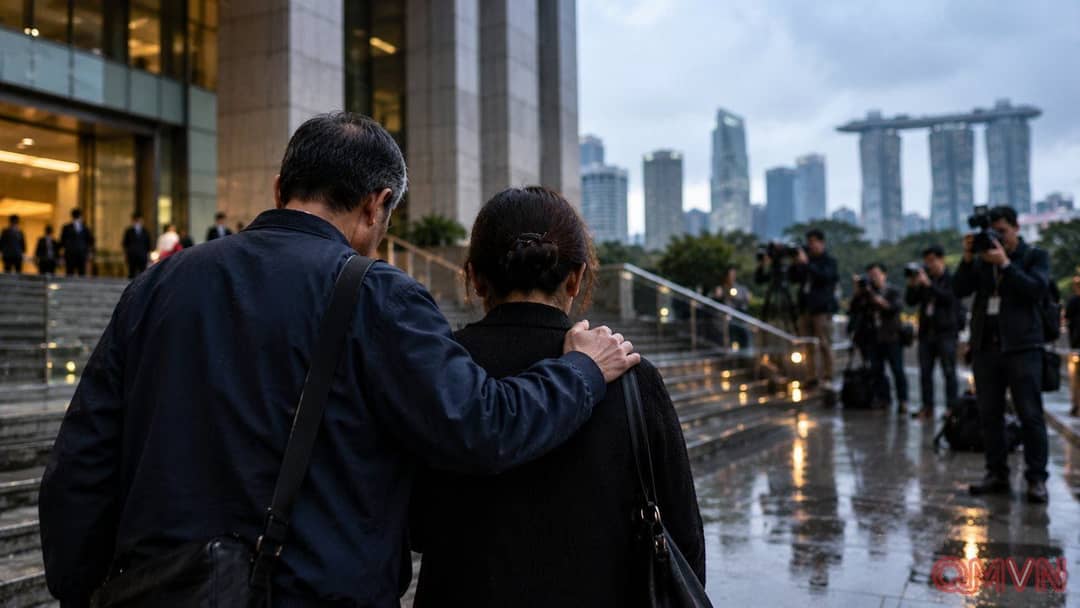
The siblings’ parents, factory workers who asked not to be named, sat in the public gallery during a hearing lasting nearly three hours. Afterwards, they sought permission to speak briefly to their son through a glass barrier. His mother was visibly distressed. His father urged him to do good where he could during imprisonment. Their concern for their surviving child does not diminish the gravity of the murder; it illustrates how affection and accountability can painfully coexist in one household.
The court stressed that Baoying had looked to her brother for protection. Addressing Bocan directly, the judge told him to remember what he had done. That emphasis matters: beyond the offender’s biography lies a young woman whose independence, safety and future were taken away. Any compassionate account must resist reducing her to a footnote in the story of the people who harmed her.