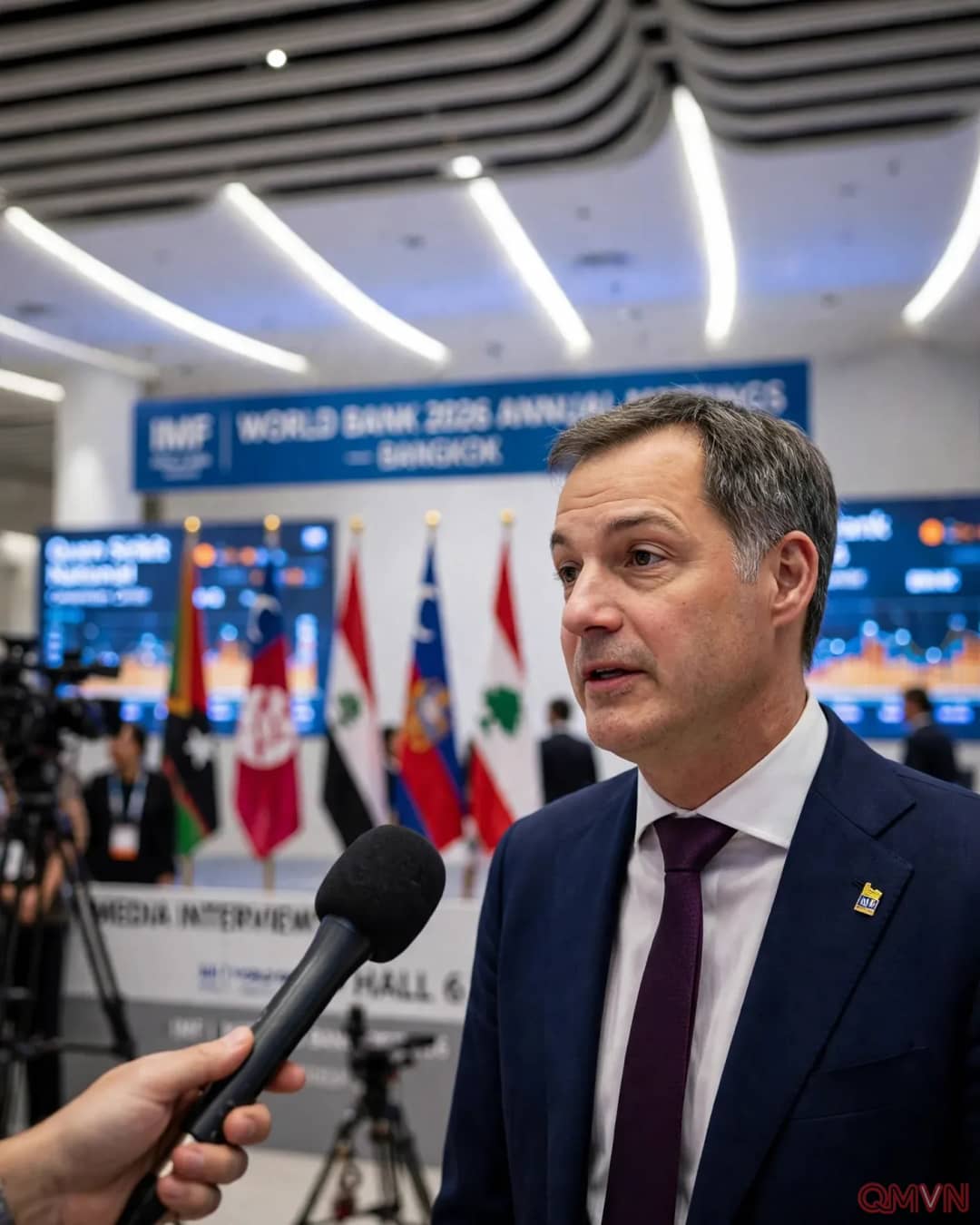
Reimagining Development Finance Amid Disappearing Donor Aid
Bilateral development assistance has dropped to historic lows, leaving numerous developing nations exposed to compound macroeconomic disruptions beyond their control. In response, the United Nations Development Programme is rapidly expanding institutional partnerships with the World Bank, the European Investment Bank, and private institutional financiers to rebuild capital flows.
The way development is being financed is changing, and that’s a good thing, but we need to create some space for those countries to be able to implement those reforms.
The agency chief emphasized that securing short-term liquidity through central banks and regional institutions must precede premature sovereign debt restructuring dialogues.
While vulnerable states have exhausted their fiscal cushions subsidizing fuel costs to insulate citizens, prolonged regional wars threaten to extinguish remaining donor subsidies.
Plummeting traditional donor funding compels international bodies to tap deep pools of private investment capital.
UNDP is actively supporting 46 sovereign partners in restructuring cost-effective targeted energy subsidy frameworks.
Closing the Global Youth Jobs Deficit and De-Risking Climate Volatility
Beyond financial liquidity, an alarming demographic challenge looms over developing regions: approximately 1.2 billion young individuals are projected to enter the global labor market over the next decade, competing for a mere 400 million viable employment opportunities. Bridging this vast shortfall demands targeted sector deregulation and comprehensive skills alignment.
While active employment pipelines are being piloted in countries like Nepal, Yemen, Haiti, Lebanon, and Ghana, the UNDP has concurrently partnered with Italian insurer Generali to deploy catastrophic insurance solutions. In 2025 alone, natural disasters across Asia generated $65 billion in economic damages, with only $5 billion covered by insurance.
What insurance is doing is managing risk. We see quite some margin in using insurance systems in a world that is becoming more turbulent than ever to try to manage that risk and help countries to become investable.
An eight-hundred-million youth employment gap necessitates coordinated labor policy and private sector hiring incentives.
Innovative risk-transfer mechanisms serve as an essential foundation for making vulnerable economies investable.
Subscribe to the QMVN newsletter
A daily morning digest - only stories worth reading, no spam.