Fertilizer Supply Disruptions and Depressed Global Crop Yields
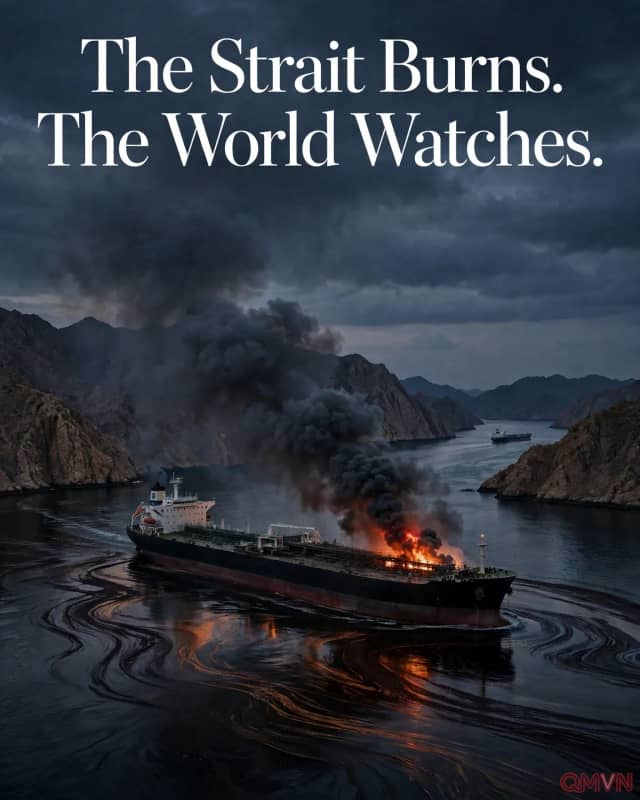
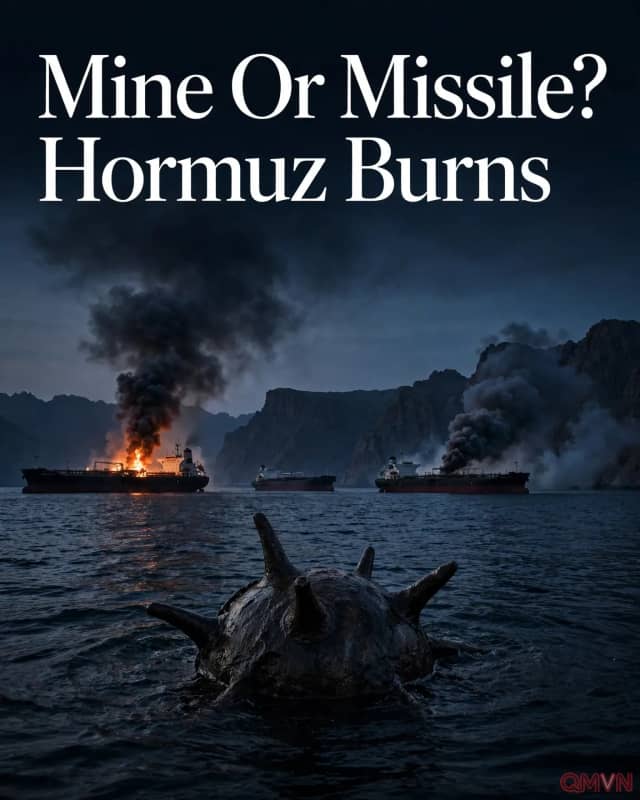
Addressing international correspondents in Bangkok, IFAD President Alvaro Lario stated that the economic pass-through resulting from naval confrontations in the Strait of Hormuz has migrated from energy terminals directly into primary agricultural production. The Persian Gulf represents a pivotal export nexus for urea, nitrogen, and sulfur-based fertilizers; the persistent restriction of vessel transits has severed critical chemical input supplies destined for global agrarian centers.
While preliminary reserve stockpiles of fertilizer and refined diesel initially cushioned farm operations during the initial phase of naval friction, prolonged geopolitical uncertainty has altered farm-level economics. Agronomists observe that farmers across developing nations have adopted defensive cultivation practices, curtailing fertilizer application rates and scaling back mechanized harvesting due to prohibitive commercial fuel costs, directly degrading terminal harvest volumes.
The pass-through from the initial locking down of the Strait of Hormuz is now starting to be seen across actual harvests.