The philosophy of silence
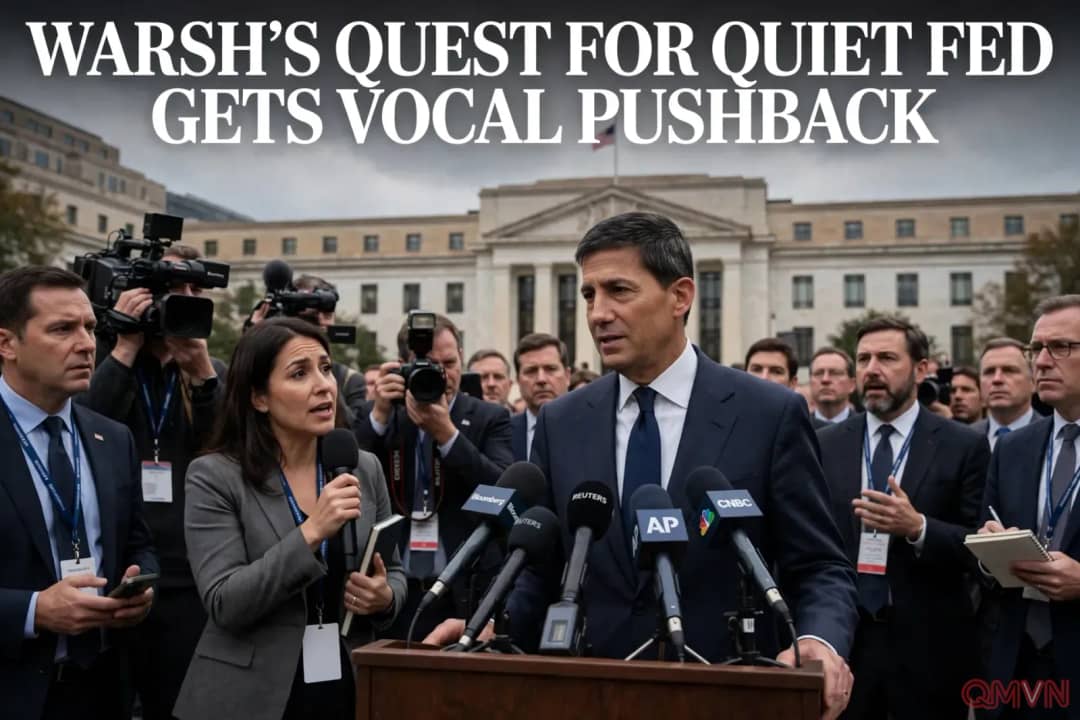
At every forum, from Sintra in Portugal and Jackson Hole in Wyoming to Congress and press conferences, Warsh has argued the same point: the less policymakers say about future rates, the more markets must rely on economic data. Market prices then become a more honest source of information for the Fed itself.
He has stripped almost all forward guidance from the post-meeting statement and convened a task force widely expected to recommend dropping the quarterly rate-path projections, known as the dot plot, which have long been a staple of Fed communications.
Voices that will not stay quiet
Many Fed officials see communication as a core part of good monetary policy. Cleveland Fed President Beth Hammack told Reuters she would be open to any argument that silence helps households and businesses make better decisions, but she doubts such a case can be made.
I think it's a pretty hard argument to make.
Unusually pointed remarks from New York Fed President John Williams and Fed Vice Chair Philip Jefferson proved especially effective.