MAIN ARTICLE
One crown, several sovereign choices
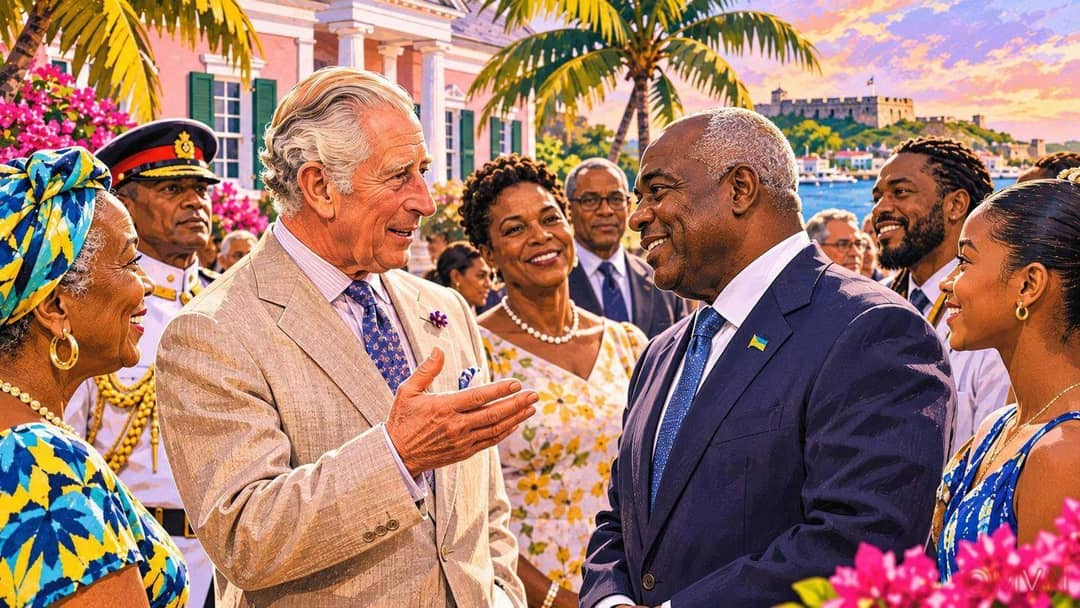
In The Bahamas, Prime Minister Philip Davis indicated that he did not have a fixed ideological position on changing the country’s head of state and would defer to the people’s wishes. In Antigua and Barbuda, Prime Minister Gaston Browne stated his preference for a republic while acknowledging constitutional requirements and the authority of voters. The two positions are not identical, but both locate the final decision within the independent nation rather than in royal preference or a visiting dignitary’s timetable.
According to The Times on November 5, a senior Palace aide said Buckingham Palace would not resist a realm that decided it no longer wanted Charles as sovereign. The statement is politically significant, but it does not itself end any monarchy. Each country must follow its own constitutional amendment procedures, which may involve parliamentary supermajorities, a referendum or other requirements. Respect for self-determination is therefore the beginning of a process, not a substitute for one.
Leaving the monarchy does not mean leaving the Commonwealth
Three ideas are often mistakenly treated as interchangeable: national independence, having the British monarch as head of state, and belonging to the Commonwealth. Charles is sovereign of the United Kingdom and 14 other independent realms.