MAIN CONTENT
An unusually revealing first round
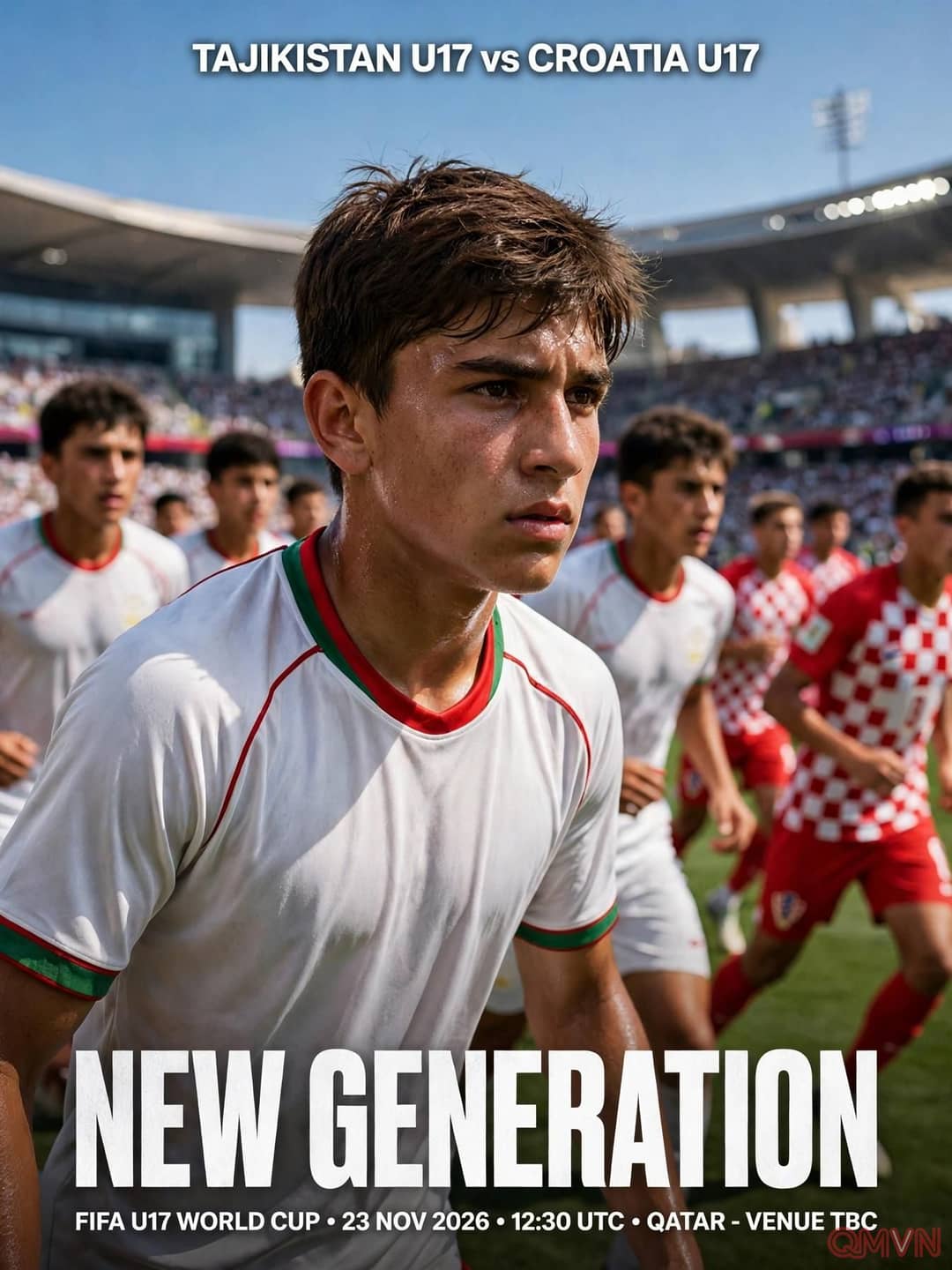
Tajikistan’s 5–3 win over Cuba on 20 November was not merely an encouraging result; eight goals in one game created a vivid portrait of a team prepared to attack and accept risk. The victory gave the players an early reward for their adventure, but also warned the coaching staff that positive momentum can disappear quickly if spaces behind the ball remain open. A second group match is therefore as much a test of maturity as of technique.
Croatia’s 1–1 draw with Senegal was quieter on the scoreboard but potentially valuable in a different way. Sharing the points against a competitive opponent keeps Croatia in contention, while leaving a clear need for sharper finishing in the next fixture. Neither opening score should be mistaken for a complete measure of quality: opponents, game state and the emotional swings of an international debut all change how numbers should be interpreted.
Where the contest may be decided
The essential tactical question is whether Tajikistan can maintain forward thrust without losing their structure during transitions. Quick attacks and aggressive movement can unsettle a compact opponent, yet each advanced runner can also create room for Croatia to exploit after regaining possession.