Technological Disruptions and Scrutiny Over Capital Returns
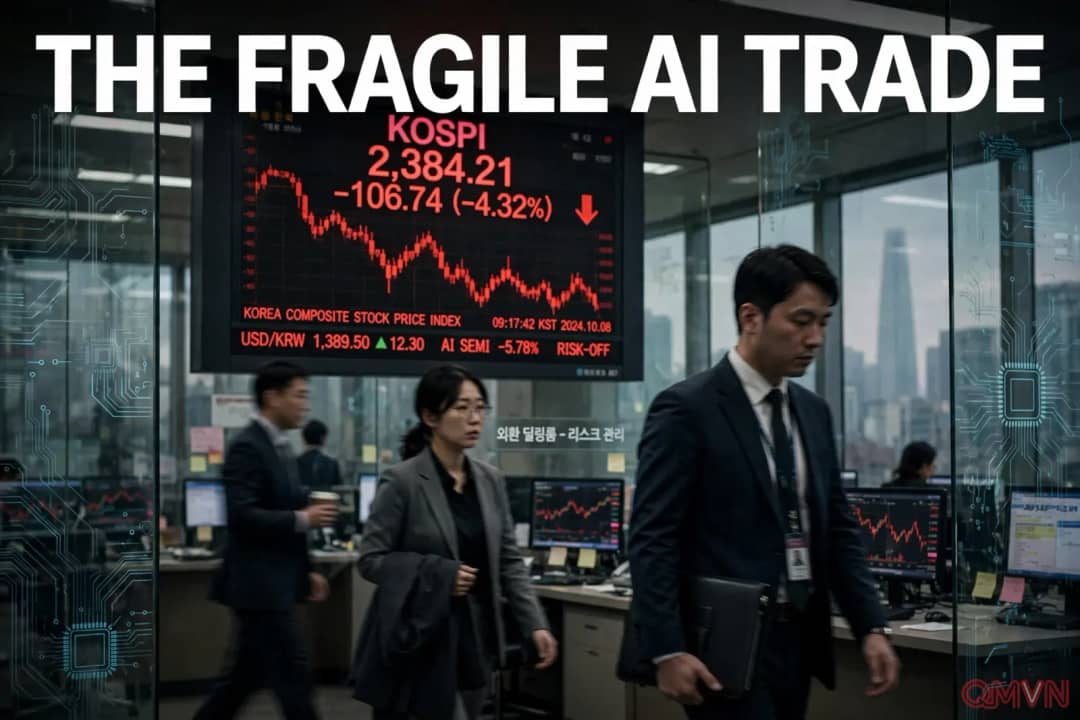
The dramatic tumble of Seoul's KOSPI index and parallel losses across the Philadelphia Semiconductor Index SOX on Wall Street signaled a critical inflection point for the broader technology complex. Market participants do not question structural demand for advanced artificial intelligence; rather, mounting anxiety centers on which corporate entities will successfully convert massive capital expenditures into durable cash distributions.
Unexpected competitive advances by ChangXin Memory Technologies CXMT in high-performance memory silicon demonstrated that Asian rivals are narrowing the technological frontier far faster than consensus expectations projected. This sudden dynamic sparked widespread fears of margin compression and fierce price competition across established global hardware ecosystems.
Nobody doubts industry demand, but anxiety over who ultimately captures revenue is unsettling investors.
Twin Pressures from Elevated Energy Prices and Bond Yields
The sombre tone prevailing across trading floors was compounded by persistent geopolitical instability in the Middle East, which maintained international Brent crude benchmarks elevated near $106 per barrel. Stubbornly high energy input costs have reignited inflation apprehensions, pinning benchmark sovereign yields near generational records and depressing broad risk appetites.
The malaise moved swiftly into European sessions, where equity index futures signaled a defensive open. Gloomy consumer sentiment was further confirmed by luxury conglomerate LVMH reporting third-quarter revenue contractions, driven by softening consumer demand across its flagship Louis Vuitton and Dior retail footprints.
Softening luxury retail volumes clearly underscore broader spending caution taking hold across key markets.
Wall Street Earnings Tests and Valuation Adjustments
Global institutional attention is pivoting toward third-quarter earnings disclosures from America's four premier banking institutions: JPMorgan Chase, Goldman Sachs, Citigroup, and Wells Fargo. Their corporate filings are anticipated to offer an indispensable health check regarding the impact of elevated interest rate structures on underwriting volume, loan origination, and systemic borrowing costs.
As market euphoria gives way to analytical discipline, capital markets are entering an overdue period of valuation rationalization. Portfolio allocators are increasingly reluctant to underwrite speculative premiums, prioritizing verified operational efficiency, durable balance sheets, and resilience against macroeconomic volatility.
This sharp market retreat reflects an overdue awakening to elevated capital costs and concentration vulnerabilities.