MAIN ARTICLE
From the technology race to the question of who pays
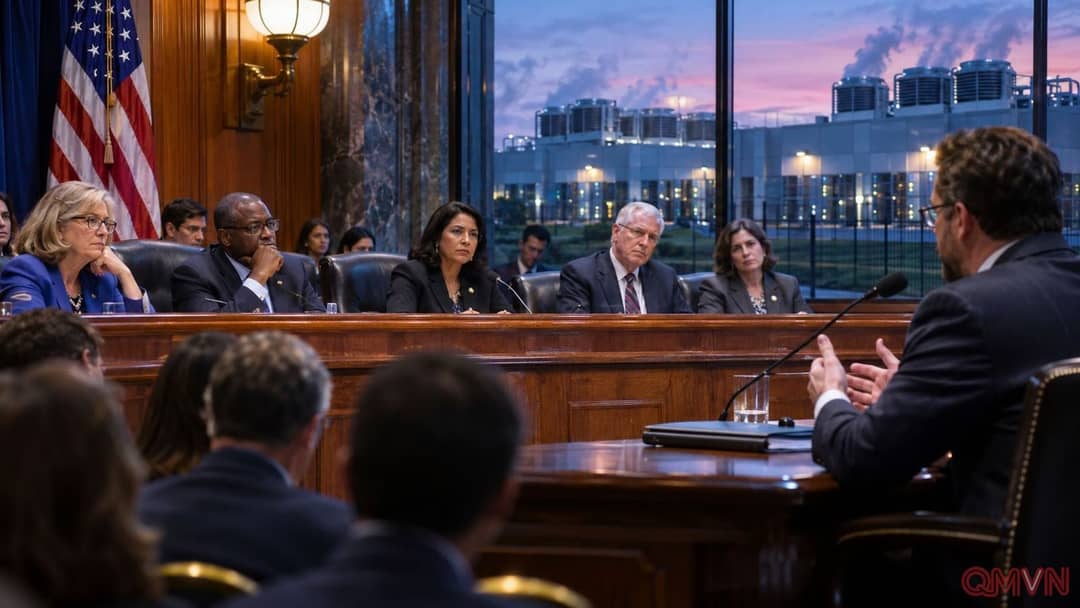
The AI boom is powered by enormous computing campuses, reliable electricity and vast investment. For communities near proposed data centers, the immediate dispute is often less about algorithms than about power bills, water supplies and who pays to strengthen local electrical grids. These practical concerns are transforming a national debate once dominated by innovation and international competition into arguments over household economics and local consent.
Senator Chuck Schumer has identified protection from rising energy costs linked to data centers as a priority for 2027. That approach could draw support beyond voters primarily interested in AI safety: electricity, water and the cost of living reach households regardless of party affiliation. A workable bill would need to clarify which expenses developers pay directly and which could otherwise be shifted to ordinary electricity customers. It would also have to consider different state utility systems rather than assume that all communities face identical costs.
A Reuters/Ipsos poll released in October found that 56% of surveyed voters supported limits on new data-center construction. An ABC News/Washington Post/Ipsos survey that month found particularly strong opposition to new facilities in respondents’ own communities. Such results do not mean Americans uniformly reject AI. They indicate that public acceptance increasingly depends on whether projects offer visible local benefits and credible safeguards against costs being passed to neighbors.