MAIN STORY
A presidential signature with institutional consequences
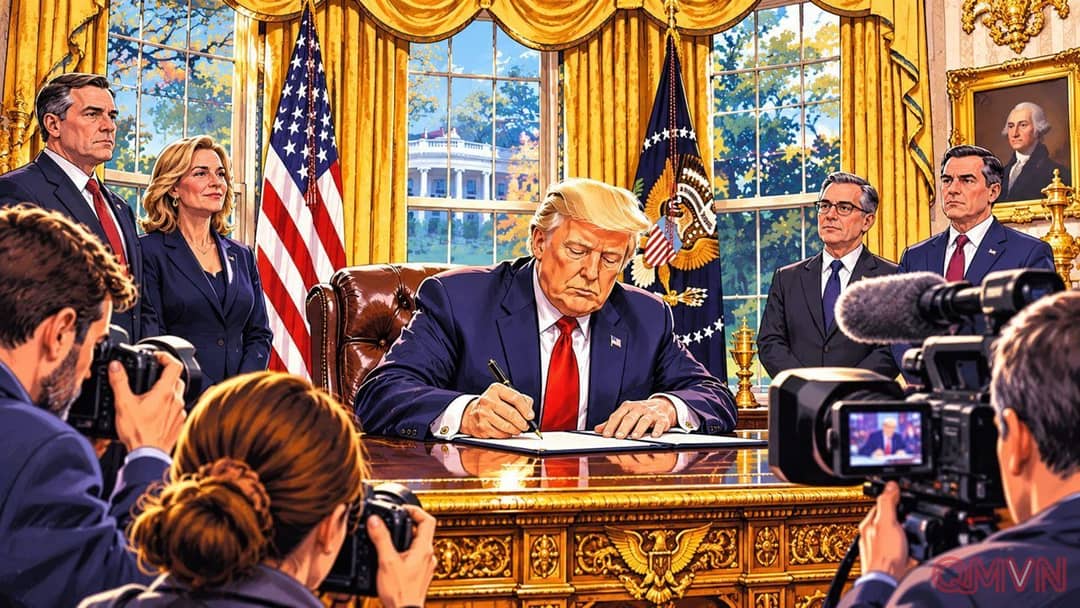
Speaking in the Oval Office on November 5, Trump cast his proclamation as protection for a setting associated with consequential decisions in American history. The document published by the White House identifies more than one room: the Oval Office itself, Room 110; the Outer Oval Office, Rooms 106 and 108; and the Cabinet Room, Room 105. The declaration treats those rooms as a defined historic site, not as a blanket prohibition on changes across the entire White House complex.
The administration invoked the Antiquities Act, a federal law authorizing presidents to designate certain historically significant features on federally controlled land as national monuments. Choosing that instrument turns a personal desire for continuity into an administrative responsibility. The interior secretary, acting through the National Park Service, must prepare a preservation plan and consult the White House administration and appropriate advisory bodies. Whether the measure succeeds will depend partly on how those responsibilities are carried out.
Protection is not the same as permanent decoration
The central distinction is buried in the operative language. Before an action substantially alters or demolishes essential structures or architectural components, officials must document the proposal, conduct a review and consider alternatives.