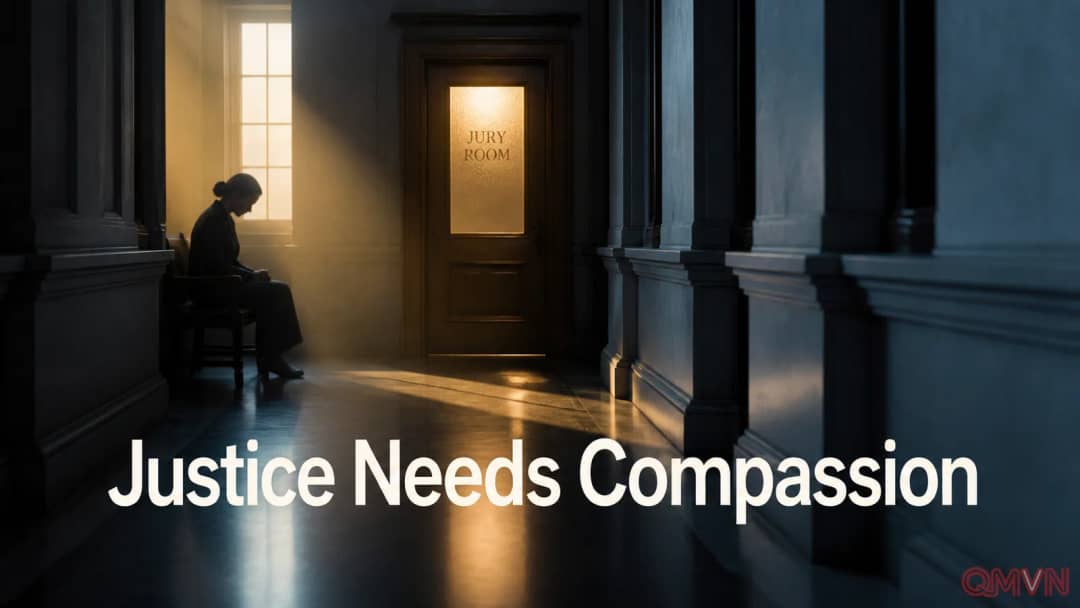
A trial ends without a verdict
On September 4, a Massachusetts judge said a mistrial had to be declared after jurors remained deadlocked in Lindsay Clancy’s murder case, Reuters reported. In a serious criminal case, a jury must reach a unanimous decision. When it cannot, the result is neither a conviction nor an acquittal.
The outcome leaves prosecutors to decide their next steps, which may include seeking a new trial. For the families and community affected, that uncertainty can be painful. Yet a mistrial also reflects a core safeguard: criminal punishment cannot rest on a verdict reached without the agreement the law requires.
In emotionally charged cases, the absence of a final verdict can tempt observers to substitute instinct for process. The legal system asks something more demanding. It requires jurors to separate the horror of an outcome from the specific question of criminal responsibility, and to make that judgment only within the evidence presented in court.
What reasonable doubt actually asks
The New York Times highlighted how jurors’ understanding of “reasonable doubt” could shape the result. The standard does not require absolute certainty, because that is rarely possible. Nor does it permit an imaginary or speculative doubt that has no grounding in the evidence.