MAIN STORY
More money in nominal terms, less per student
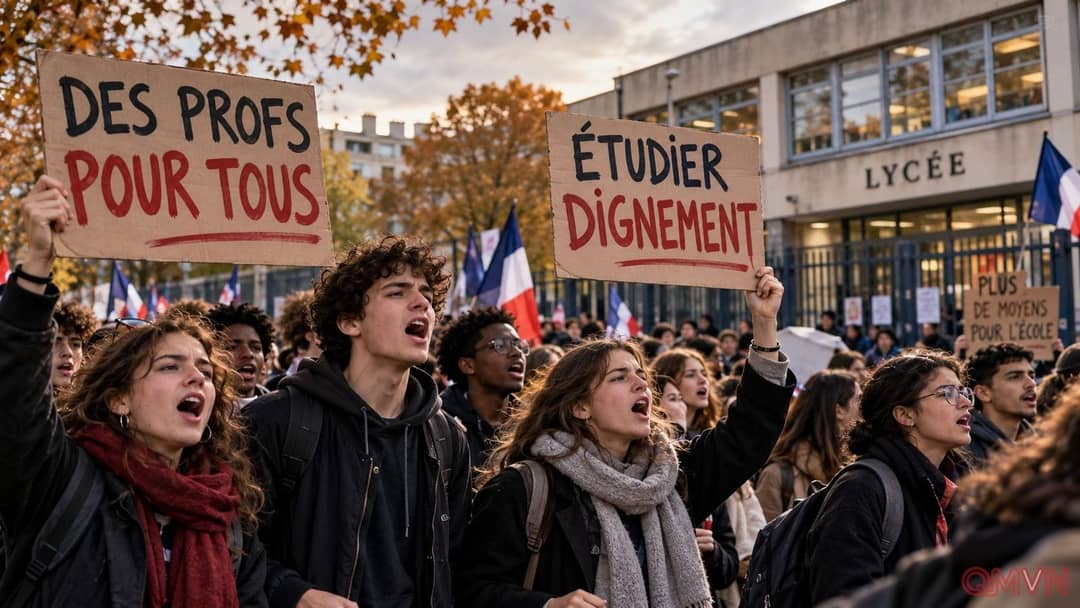
Piketty cites an increase in France’s nominal higher education budget from €13.3 billion in 2017 to €15.5 billion in 2026, or about 17%. Inflation over the period, he argues, was around 22%, reducing the purchasing power of that money. Student numbers meanwhile climbed from roughly 2.6 million to more than 3 million. Economist Lucas Chancel’s dataset consequently points to a drop of approximately 20% in real spending per student. That is an average across a changing system, not evidence that every institution or degree program experienced precisely the same cut.
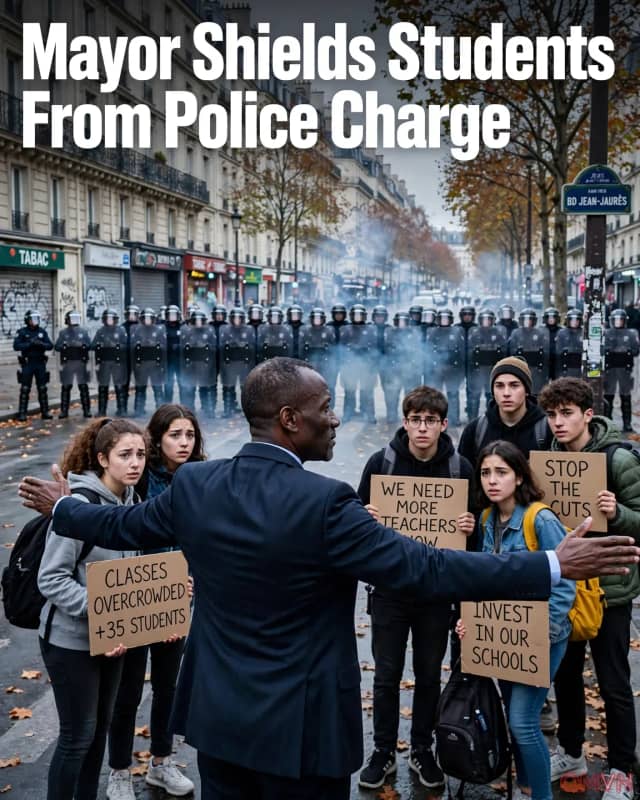
This distinction helps explain why a government can report a larger overall budget while students experience crowded classrooms, overstretched services or interrupted teaching. Yet spending per person is only one indicator. Facilities, subject mix, staff composition and the efficiency of expenditure also matter when judging education quality. Policymakers need to show both where the money goes and what opportunities it creates.
The Parcoursup bottleneck and mismatched places
The Parcoursup admissions platform has emerged as a focus of anger over the move from secondary school to further study. Applicants describe opaque choices and the fear that a complex matching process can shape their future without a convincing explanation.