MAIN CONTENT
A return to republican language
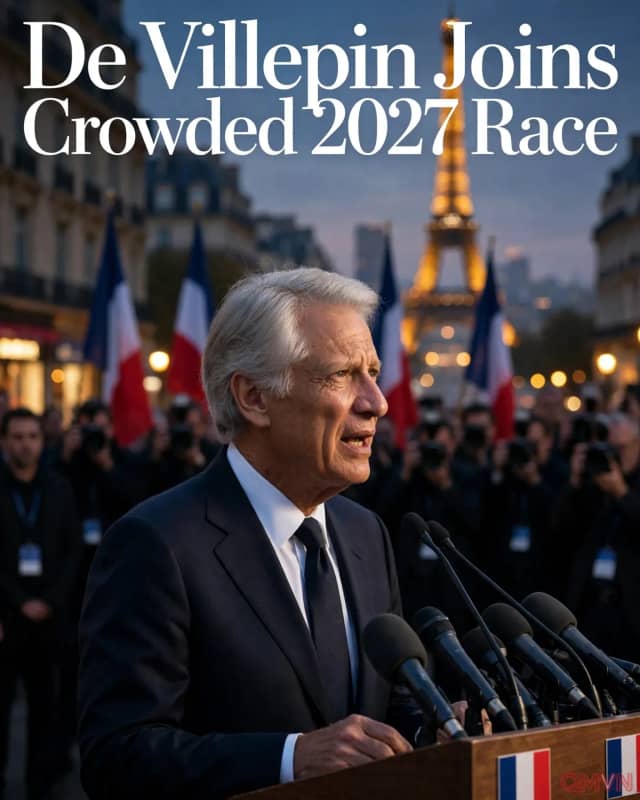
De Villepin presented his candidacy as a response to what he regards as deteriorating social cohesion. Drawing on Charles de Gaulle, he argued that the president should serve as a national arbiter rather than an excessively dominant executive. His criticism of Macron focuses on the style of leadership as well as its policy results.
His reputation abroad was shaped by his 2003 United Nations speech opposing the US-led invasion of Iraq. That history supports his image of diplomatic independence, but a famous speech cannot substitute for detailed proposals on economic growth, the financing of public services and political accountability.
A sharp warning about the far right
He described Marine Le Pen’s National Rally as a danger to the republic, while saying it should not be treated as identical to Jean-Luc Mélenchon’s France Unbowed. These are political assessments advanced by de Villepin, not conclusions about what voters will decide.
His candidacy adds another voice to France’s arguments over national identity and democratic institutions.
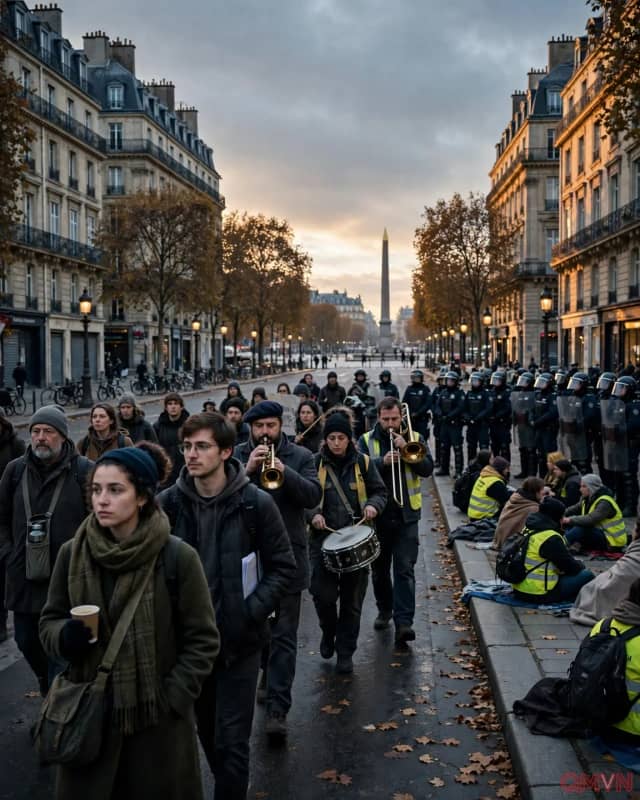
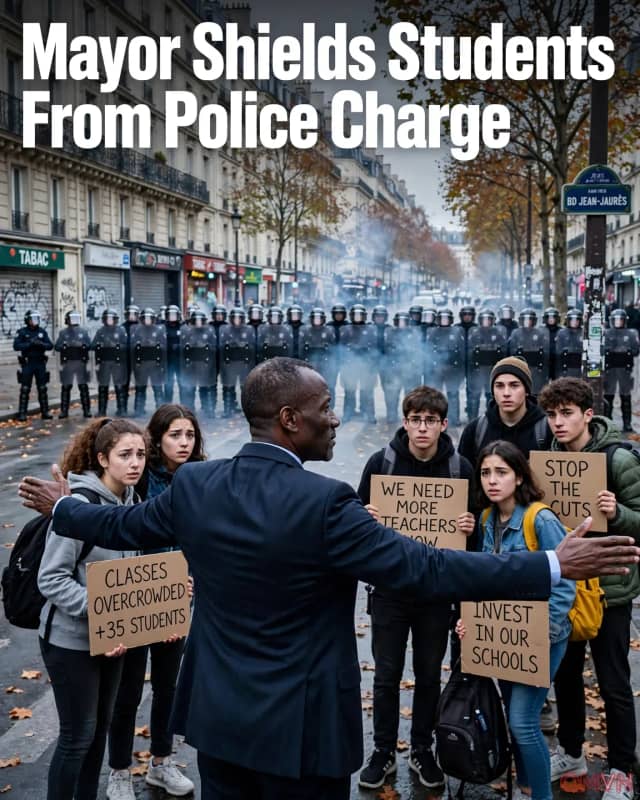
Protests over wages and student demands have heightened the stakes. De Villepin says the authorities have neglected social discontent, but critics may question whether a politician who has held senior office can embody renewal. His challenge is to build support beyond admirers of his oratory.
Public debt meets demands for fairness
With public debt near 119% of GDP, fiscal choices are likely to shape the campaign. De Villepin called for scrutiny of tax exemptions and privileges, recalling the abolition of feudal privileges during the French Revolution on August 4, 1789. His stated objective is to distribute the burden of adjustment more fairly.
The difficult part is translating this symbolism into arithmetic. Changing tax relief can affect employment, investment and household finances; restoring fiscal room requires decisions about taxes, spending and growth. Voters will need concrete figures to assess whether the proposed balance is sustainable.
The ballot is not yet guaranteed
French presidential candidates need sponsorship from 500 elected officials. De Villepin previously failed to obtain enough endorsements for an earlier presidential attempt, underscoring that political visibility is not the same as an electoral organization. He must also establish a platform distinct from existing political blocs.
Macron cannot seek a third consecutive term in 2027. De Villepin’s arrival broadens the debate without determining the outcome. Polls measure opinion at particular moments, while campaign organization, candidate eligibility and subsequent events will affect the choices available to voters.