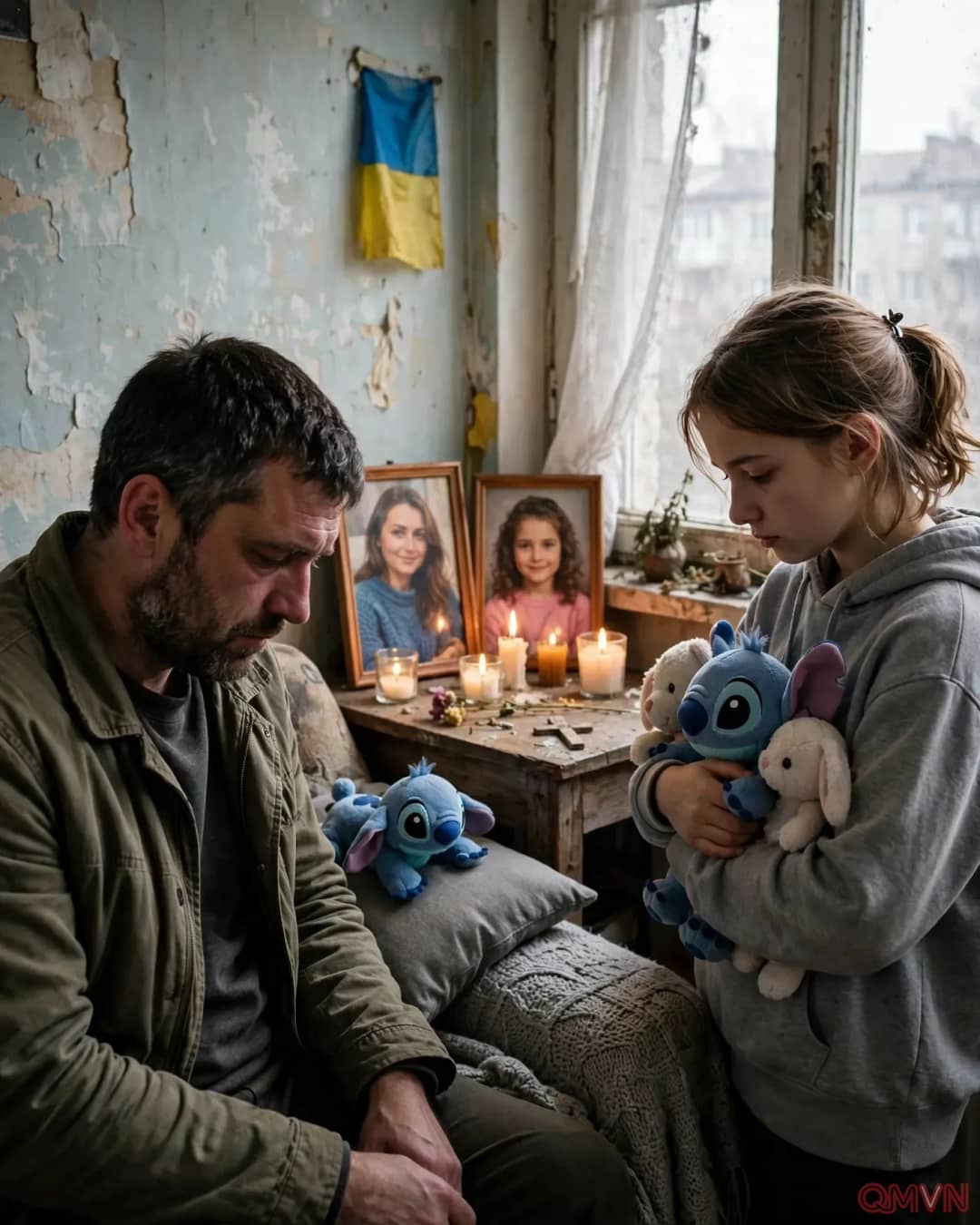
Six minutes of silence
Deployed on the eastern front, about 300 miles (480 km) from home, Yevhen saw on his live military map a red dot, a 500-pound Russian bomb, glide across the border and head toward Sumy. At 9:45 p.m., he called his wife. Nataliia reassured him: she and the girls were walking home happily from the park. A minute later, the line went dead. For six minutes, his repeated calls went unanswered.
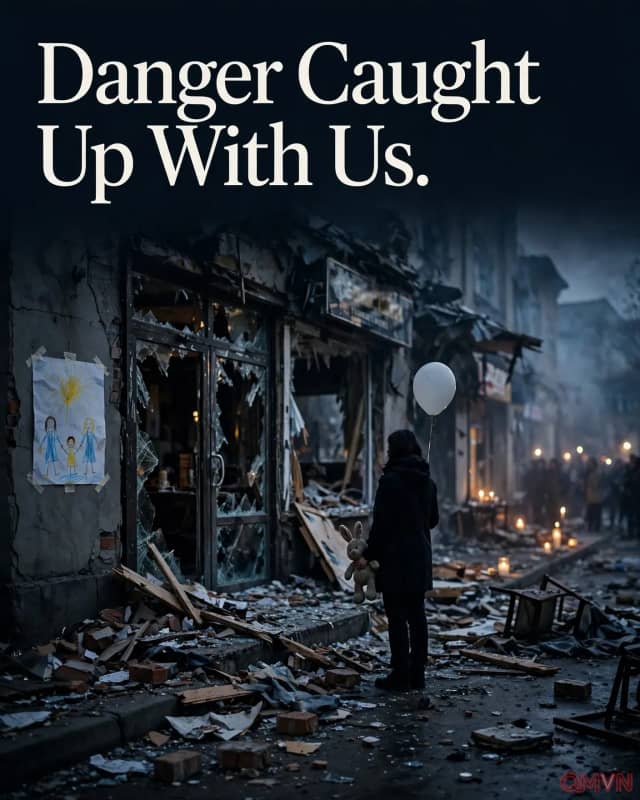
Then his phone rang. It was Veronika, screaming that she was covered in blood and that her little sister was lying motionless on the ground. Yevhen jumped into a friend's car for the four-hour drive home. Shortly after 2 a.m., outside the hospital, an ambulance driver told him that the woman and child wounded that night had died. A police officer, Dmytro Zuienko, had tried to save Milana with 15 minutes of CPR, even as others moved away for fear of a second strike.
No one is helping. Dad, please come save us.
A summer of record bombardment
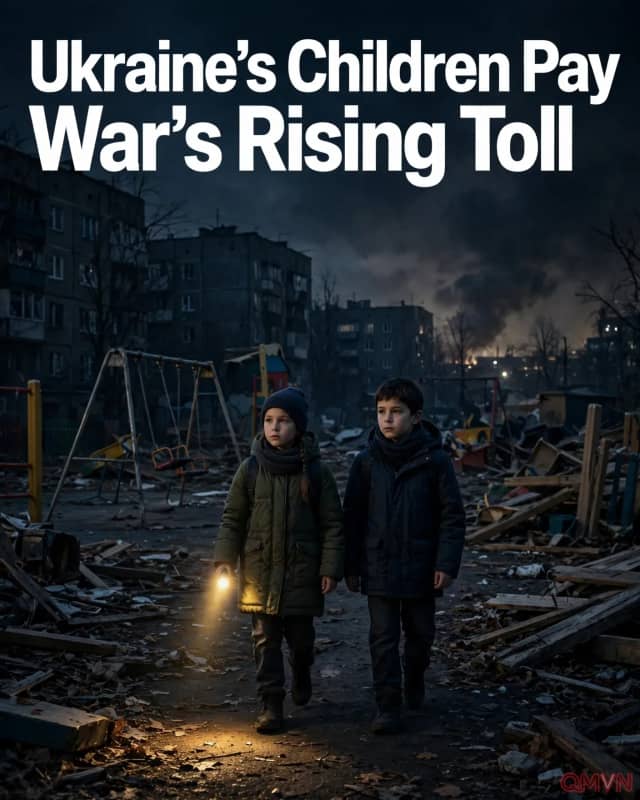
The Ovcharov family's tragedy was part of the deadliest and most violent period in Ukraine since the opening weeks of Russia's full-scale invasion in 2022. Exploiting shortages in Ukraine's air defenses, Russia bombarded cities far from the front line. The figures are stark: