MAIN ARTICLE
Moscow draws a boundary around negotiations
On November 20, Russia’s Interfax news agency quoted Deputy Foreign Minister Sergei Ryabkov rejecting any arrangement that would amount to NATO “quasi-membership” for Ukraine. He argued that even an ostensibly creative formula offering similar protection would be unacceptable. The position reflects Moscow’s longstanding opposition to Ukraine becoming part of a Western collective-defence system.
Ryabkov framed security guarantees primarily as a question of Russia’s own security. He demanded that Kyiv recognise the supposedly irreversible nature of Moscow’s insistence that Ukraine never join NATO before alternative guarantees could be discussed. That is Russia’s stated negotiating position, not a condition accepted by Ukraine or its partners.
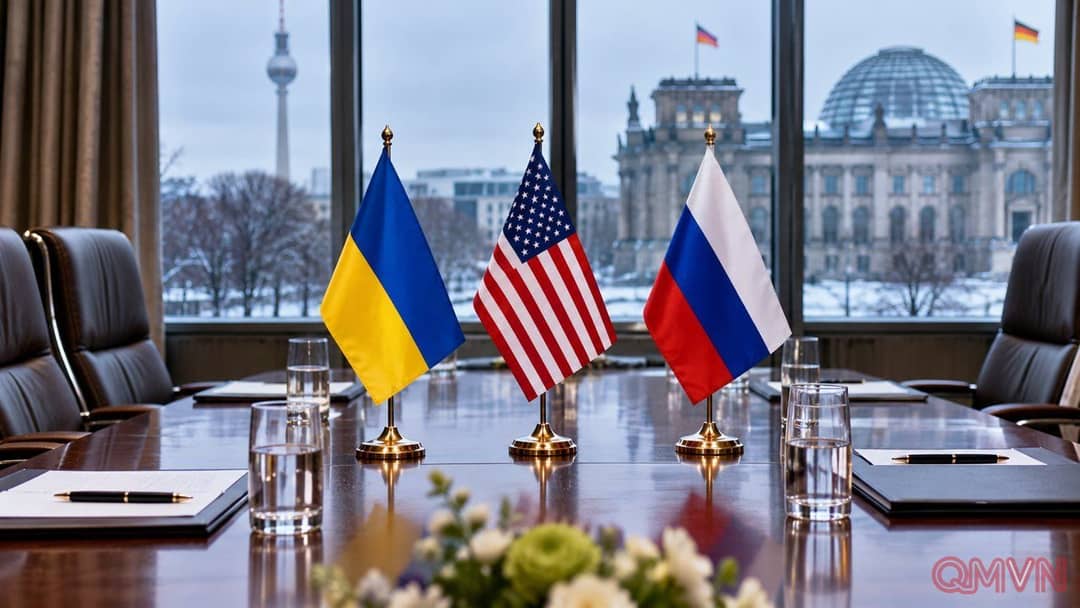
No mutually agreed text defining an acceptable security model has been made public. Reuters reported that Moscow was also exploring a possible visit by representatives of Britain, Germany and France to clarify European positions before deciding on the format of further discussions. A sharp public rejection, in other words, has not entirely closed the diplomatic channel.