When A Roof No Longer Protects
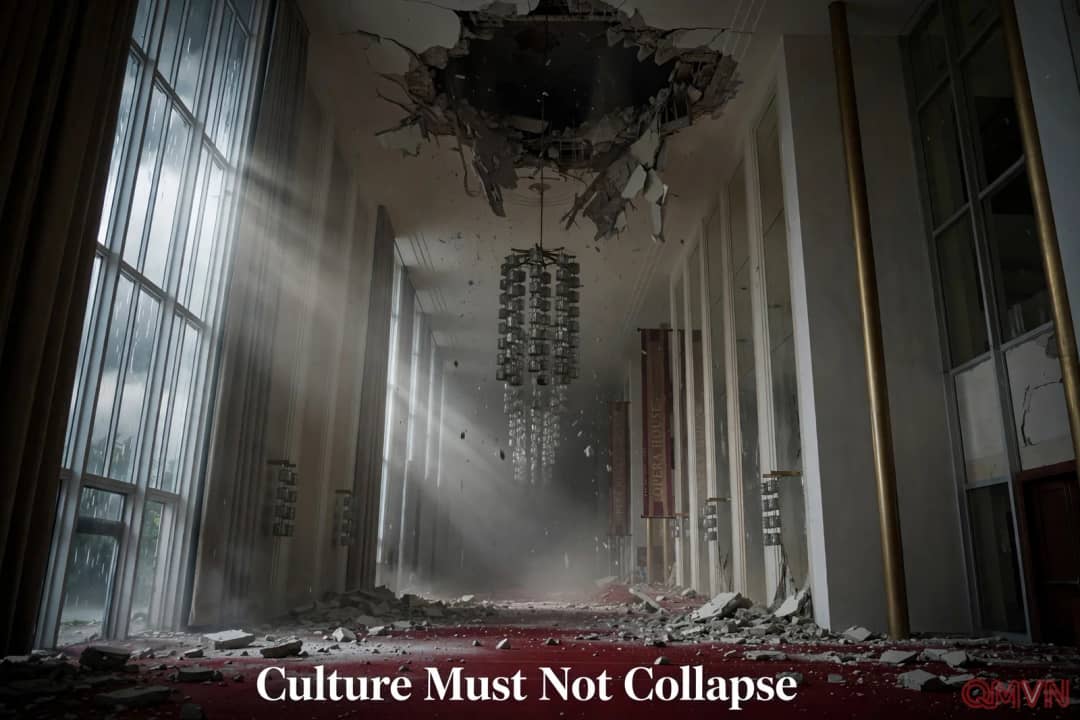
Around 5 p.m., staff heard cracking and saw dust falling from the high ceiling of the Grand Foyer. Within minutes, a large plaster section collapsed onto the red carpet normally reserved for gala audiences. The center closed its main building for the night to protect staff and contractors, while the Grand Foyer remained shut through the weekend for structural assessment. Photos released by the Kennedy Center showed a large hole overhead and debris spread wide.
Washington had just endured two days of heavy rain, and prolonged water infiltration may have been the final trigger for a building more than five decades old. Opened in 1971 to honor President John F. Kennedy after his assassination, the Kennedy Center is where opera, ballet, symphony and tributes to legends intersect. When the ceiling fell, what fell with it was not just material, but the sense of safety for people who consider the place a shared home.
Officials said it was fortunate no one was hurt, but they also admitted this is a warning that cannot be ignored. A performing arts center that welcomes millions each year cannot run on patchwork repairs. The question is not whether to renovate, but how to do it in a way worthy of the legacy whose name it bears.
From Deferred Maintenance To Legal Battle
Vice President for Public Relations Roma Daravi called the collapse another example of the urgent need to close for renovation and revitalization, as Chairman President Trump has championed. The Trump-aligned board is pushing to close most of the venue for two years and add Trump's name to the facade, with the Justice Department arguing donations for renovation will dry up without his name.