A final hurdle in Mexico City
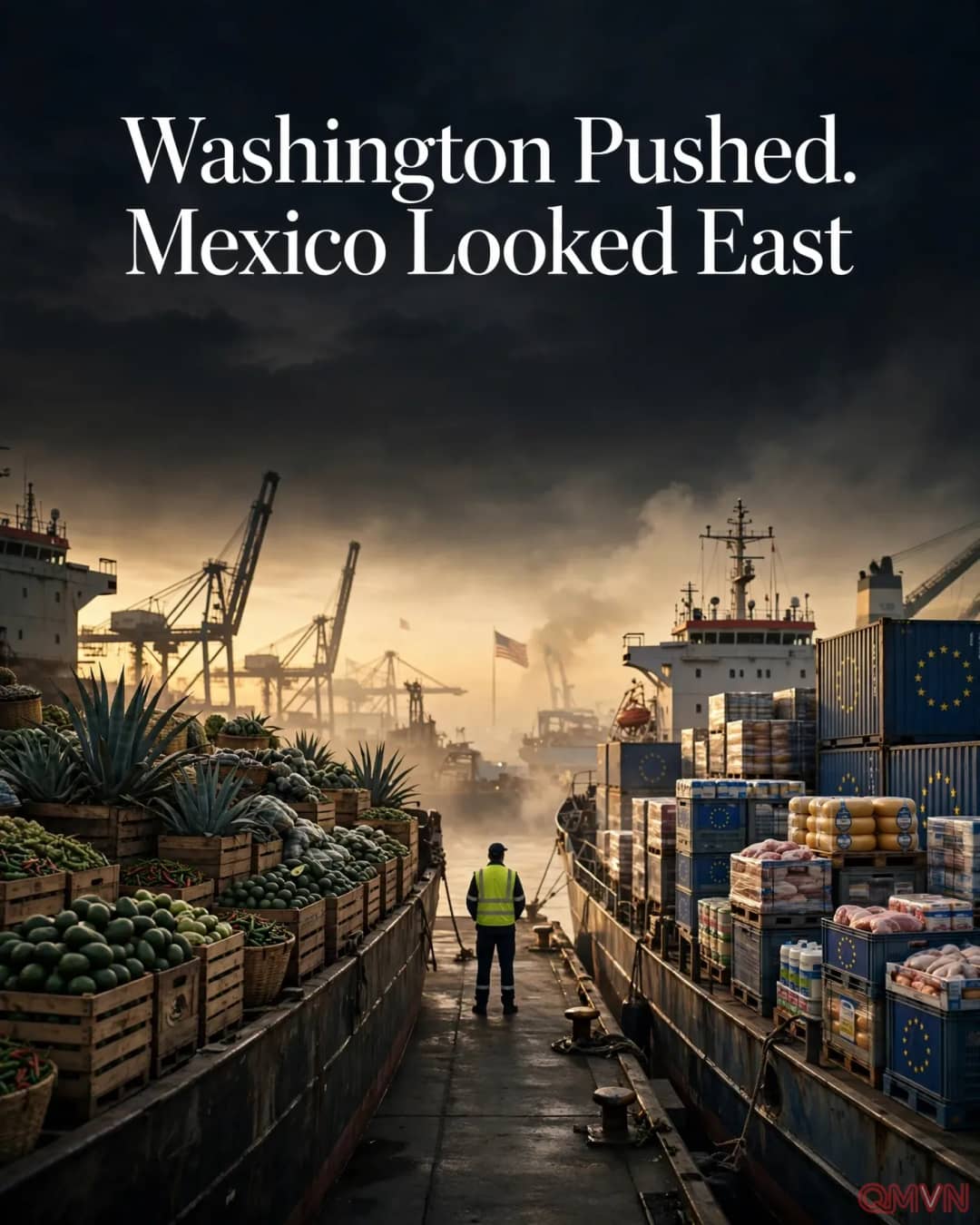
When Christophe Hansen arrived in Mexico City this week, he brought more than trade statistics. The EU's agriculture commissioner carried a message about timing: the modernisation of the 2000 EU-Mexico Global Agreement, signed in May after nearly a decade of stop-start negotiations, now needs only the approval of Mexico's Senate for its interim trade chapter to take effect.
Hansen acknowledged that Mexico's parallel negotiations with Washington may be slowing the process, yet he left his meetings with Mexican officials confident that a vote could come before the year ends. Mexico's Economy Ministry told Reuters the Senate had yet to set a date. Once both sides notify each other that their internal ratifications are complete, the agreement enters into force after a waiting period. In Hansen's view, today's geopolitics is pulling together those who want a different model for trade.
…one based on speaking as equals, not just the law of the strongest.
Living in Washington's shadow
For both Mexico and the EU, the United States remains the largest trading partner. For Mexico, however, the dependence is existential: the US buys roughly 80% of its exports.