A Night in a Patrol Car
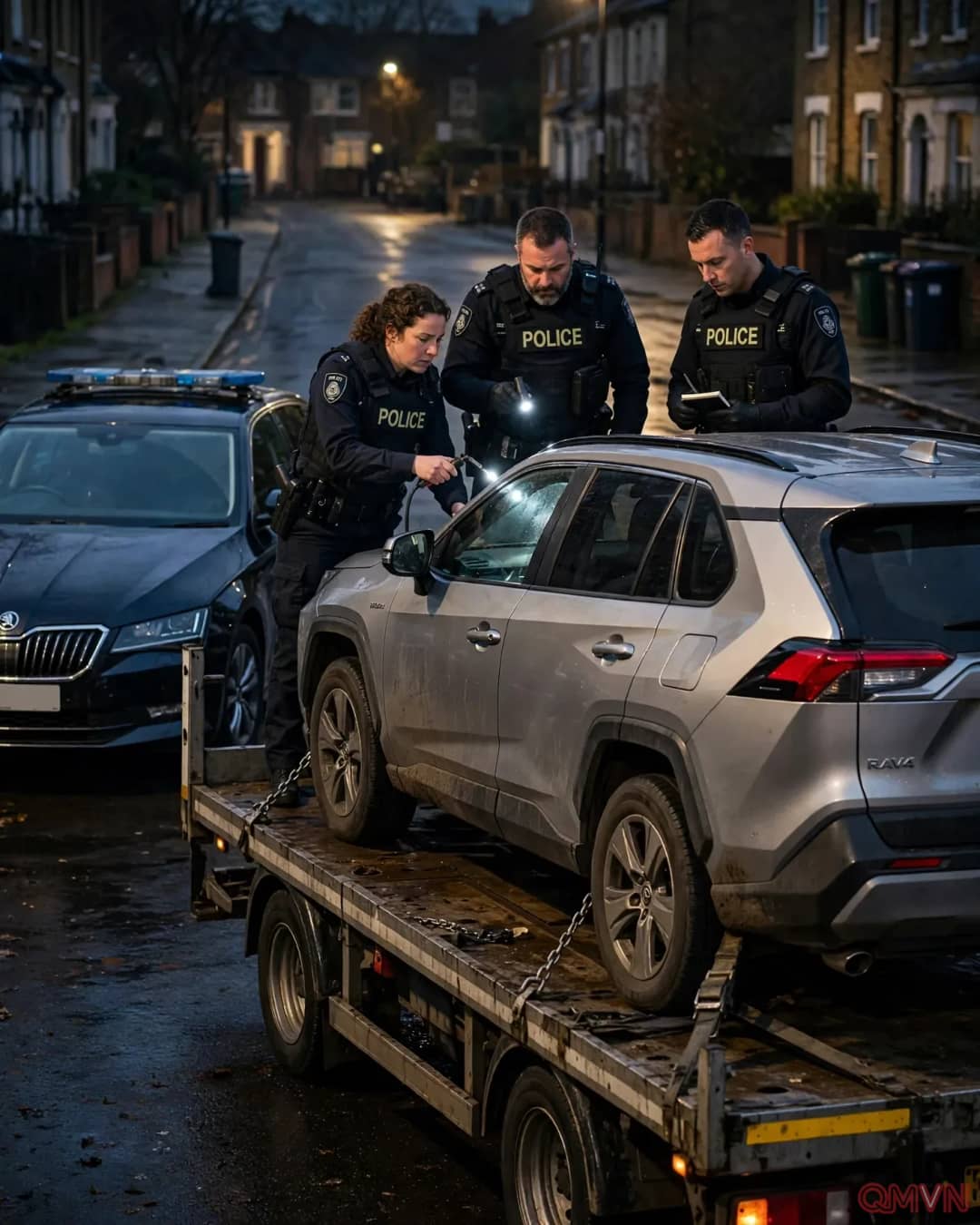
At 1 a.m. on a Thursday in east London, a call about a stolen Ford Transit van crackles over the radio. Within 25 minutes, officers have found it, chased it down and arrested a suspect. The Metropolitan Police's eight-hour operation recovers two stolen vehicles but also gets drawn into other crimes: chasing armed robbers on e-bikes, stopping a drunk driver and arresting three men in a car full of drugs, cash and phones.
They don't have borders, whereas we do
Havering is hit hard partly because thieves use back roads as a shortcut to neighbouring Essex, home to many illegal “chop shops”. When crime straddles force boundaries, investigations often slow down, and gangs know how to exploit that.
From Joyriding to a Global Business
Once the preserve of joyriders and opportunists, vehicle theft is now a lucrative global criminal enterprise. Cars are stolen to order, then moved across the country or dismantled within hours. A man who claims to receive and break up stolen vehicles at a chop shop told the BBC he does not fear the authorities:
They couldn't catch a cold
Demand is so high, he said, that parts are often sold before he finishes dismantling a car. Some vehicles are kept intact, given new plates and sold in the UK or shipped to places such as the United Arab Emirates, the Democratic Republic of Congo and Jamaica; others are used for drug dealing, human trafficking or as getaway cars.
Technology: A Double-Edged Sword
Keyless technology brings convenience but also opens the door to criminals. Thatcham Research, which works with carmakers, police and government, says thieves can develop targeted tools “within months” of a new model's launch. The devices it showed reveal the sophistication involved:
A gadget hidden in a wireless speaker that can start a car by tapping into its internal communication system.
Antennas that amplify a key fob's signal from inside a house, unlocking a car in seconds.
A military-grade jammer capable of blocking electronic signals across a wide area.
Steve Launchbury, Thatcham's principal engineer for automotive security, says the government should update regulations so that sophisticated countermeasures, such as keys that “sleep” when motionless, come as standard. The Society of Motor Manufacturers and Traders says carmakers go above and beyond requirements, while Toyota and BMW say they continuously improve security.
Victims and the Price They Pay
Rose-Marie Clarke has had her car stolen twice in three years; most recently, her BMW was taken in 35 seconds using a signal-amplifying antenna. Police said they knew the likely suspect but could not prove it. Mike, 33, feared for his life when two masked men broke into his home at night demanding the keys to his BMW M2.
“It's disheartening… you feel powerless because the police are powerless” – Rose-Marie Clarke, car theft victim
The cost reaches all motorists. According to the Royal United Services Institute (Rusi), car insurance quotes have risen 82% since 2021, and vehicle crime costs the UK economy about £1.7bn a year. Rusi's Eli Glantz explains that as more vehicles are stolen, insurers pay out more often, and premiums inevitably rise.
Short of Resources, Not of Resolve
Of the 32 forces in England and Wales that answered a BBC Freedom of Information request, 15 said they employ no full-time specialist stolen vehicle examiners. Assistant Chief Constable Sarah Grahame, the national lead on vehicle crime, admits theft levels are unacceptable but says budgets do not allow routine large-scale operations. Instead, forces run “intensification weeks”, such as Operation Alliances, which involved 32 forces and led to at least 286 arrests and 319 vehicles seized.
The top of that criminal network… that's where you'll seize the most assets and cause the most disruption
In Sussex, police recovered all three keyless Toyota RAV4s stolen in one night and arrested three suspects, two of whom have since been charged. The Home Office says it will continue to support police and provides £300,000 a year, mainly to the National Vehicle Crime Reduction Partnership. Many officers believe they can dismantle serious networks, if given enough funding and support.