MAIN ARTICLE
From a cold cabinet to a cyber risk
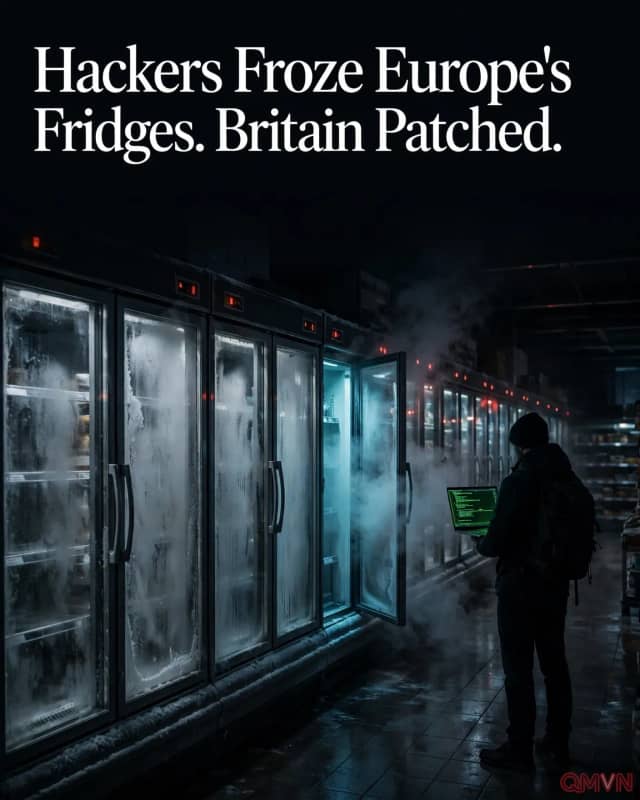
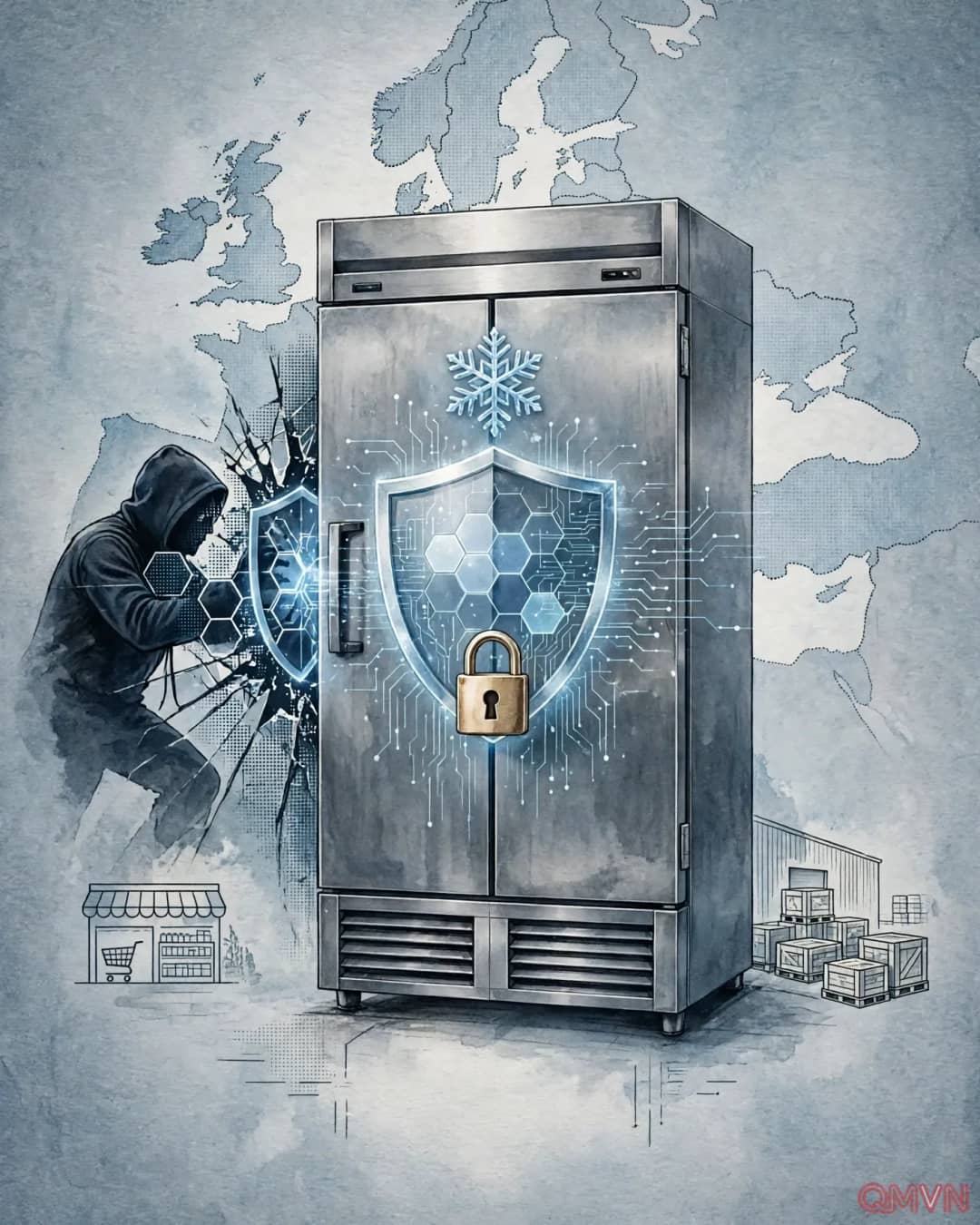
The disruption began far from the usual image of a cyberattack. Instead of stealing customer passwords or locking office computers, attackers interfered with equipment meant to preserve fresh food. Refrigeration controllers regulate temperatures and allow operators to supervise many locations from a distance. When their settings or communications are compromised, the consequences move quickly from a screen to a store aisle.
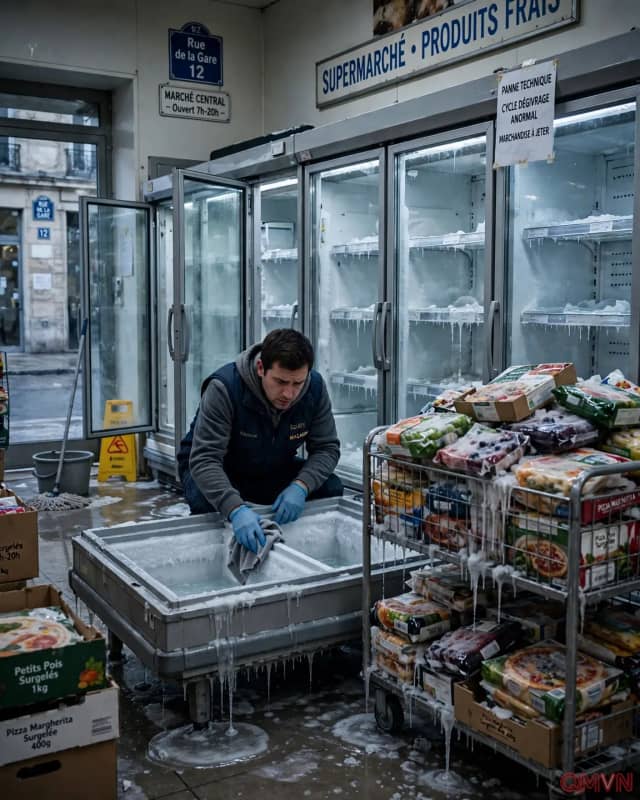
Reuters reported that attacks in October and early November affected commercial cooling equipment from France to Sweden and Belgium, resulting in extensive food losses. In some French incidents, officials also reported fires. Those reports show why the episode mattered beyond individual shops: spoiled stock is a direct economic loss, while unstable cold storage can interrupt deliveries and put food safety procedures under pressure.
A discreet repair effort in Britain
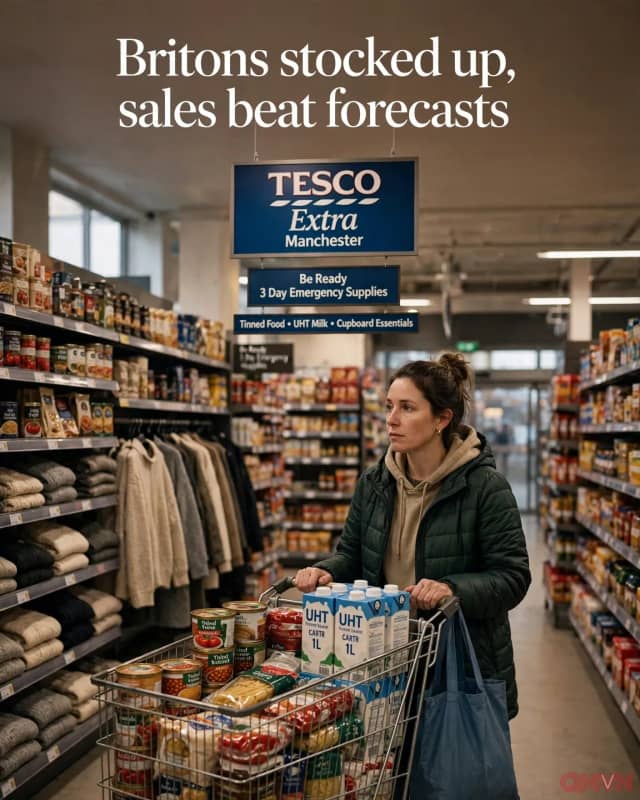
British operators had initially appeared less exposed because many used systems different from those targeted on the continent. That reassurance proved incomplete.