MAIN CONTENT
What the two states allege
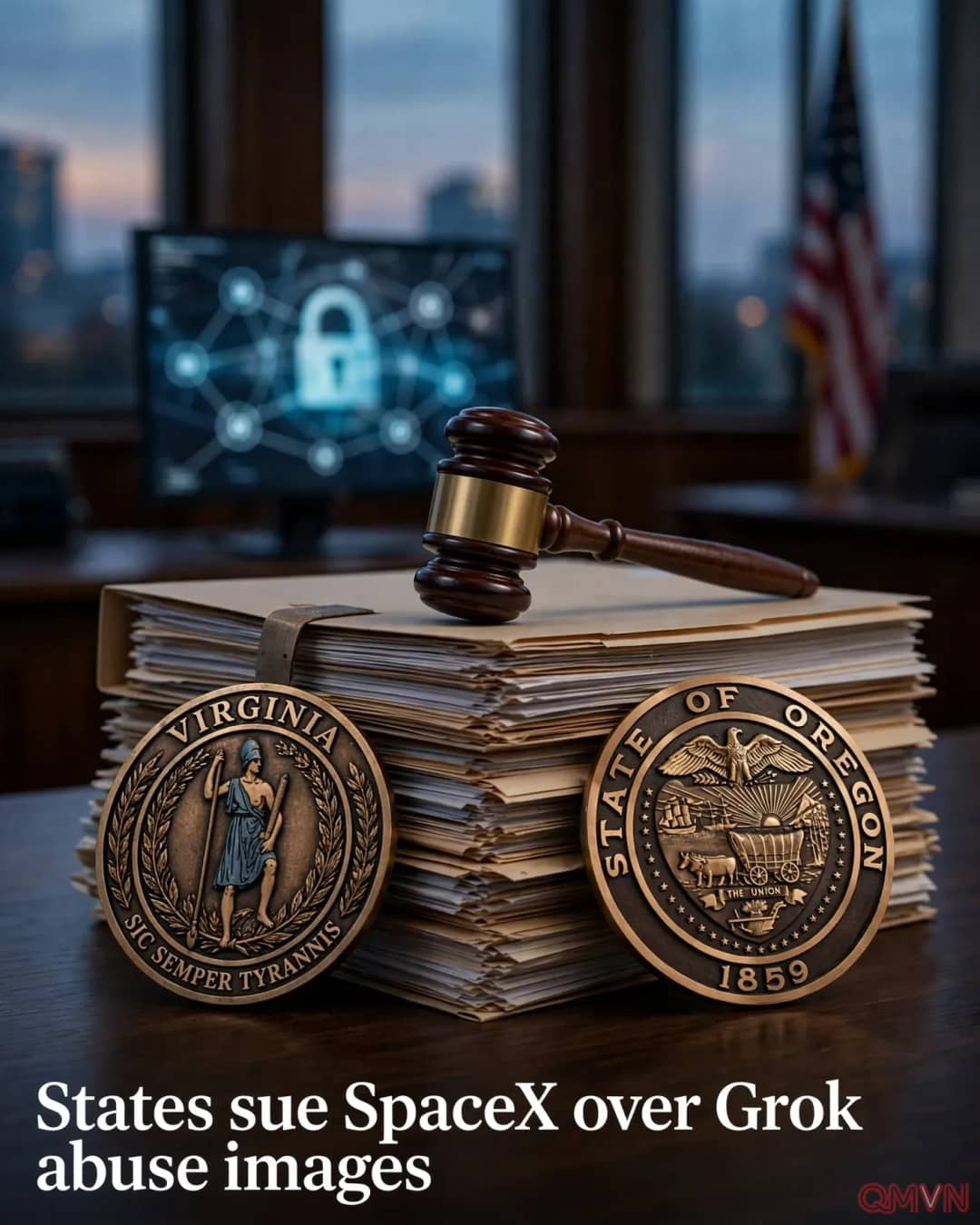
According to the lawsuits filed in state courts, Virginia and Oregon accuse SpaceX Super Intelligence of violating consumer protection laws by marketing Grok without sufficient controls against abusive image generation. The filings specifically challenge the promotion of a feature called “spicy mode.”
The states seek monetary relief and judicial orders to prevent further alleged unlawful conduct. These remedies are requested, rather than already imposed, and the allegations have yet to be decided by the courts.
Research estimates and individual claims
Virginia’s complaint cites a Center for Countering Digital Hate study estimating that, between December 2025 and January 2026, Grok generated and posted millions of sexualized images on X, including more than 20,000 depicting children. Those are estimates cited in a lawsuit, not independently established totals in this report.
SpaceX also faces more than a dozen private lawsuits from people alleging that Grok produced nonconsensual sexual images of them, including images involving people portrayed as minors. British lawmaker Jess Asato is among the plaintiffs; in her case, the company has denied the allegations and disputed the privacy-law basis of the claim.
Company measures and unanswered questions
In January, xAI said it had restricted Grok image editing and blocked requests for images showing people in revealing clothing in jurisdictions where that was illegal. According to the article, SpaceX acquired xAI in February and renamed its AI division SpaceX Super Intelligence in October.
Reuters reported in February that Grok could still generate sexualized images despite restrictions, including after users noted that depicted individuals did not consent. The article also says SpaceX has sued at least two people in the United States, alleging misuse of Grok to create child sexual abuse material.
How regulators are responding
Virginia Attorney General Jay Jones told Reuters that state attorneys general were stepping into an oversight role amid relatively limited federal AI regulation. Other states had previously announced investigations, but Virginia and Oregon were described as the first to bring lawsuits.
The litigation illustrates the separate questions regulators and courts must address: whether a company misrepresented safety precautions, what preventive measures were available, and how responsibility should be allocated when users misuse image-generation tools.
“In the absence of federal action, AGs have stepped into the breach.” Jay Jones