High debt and the high cost of debt
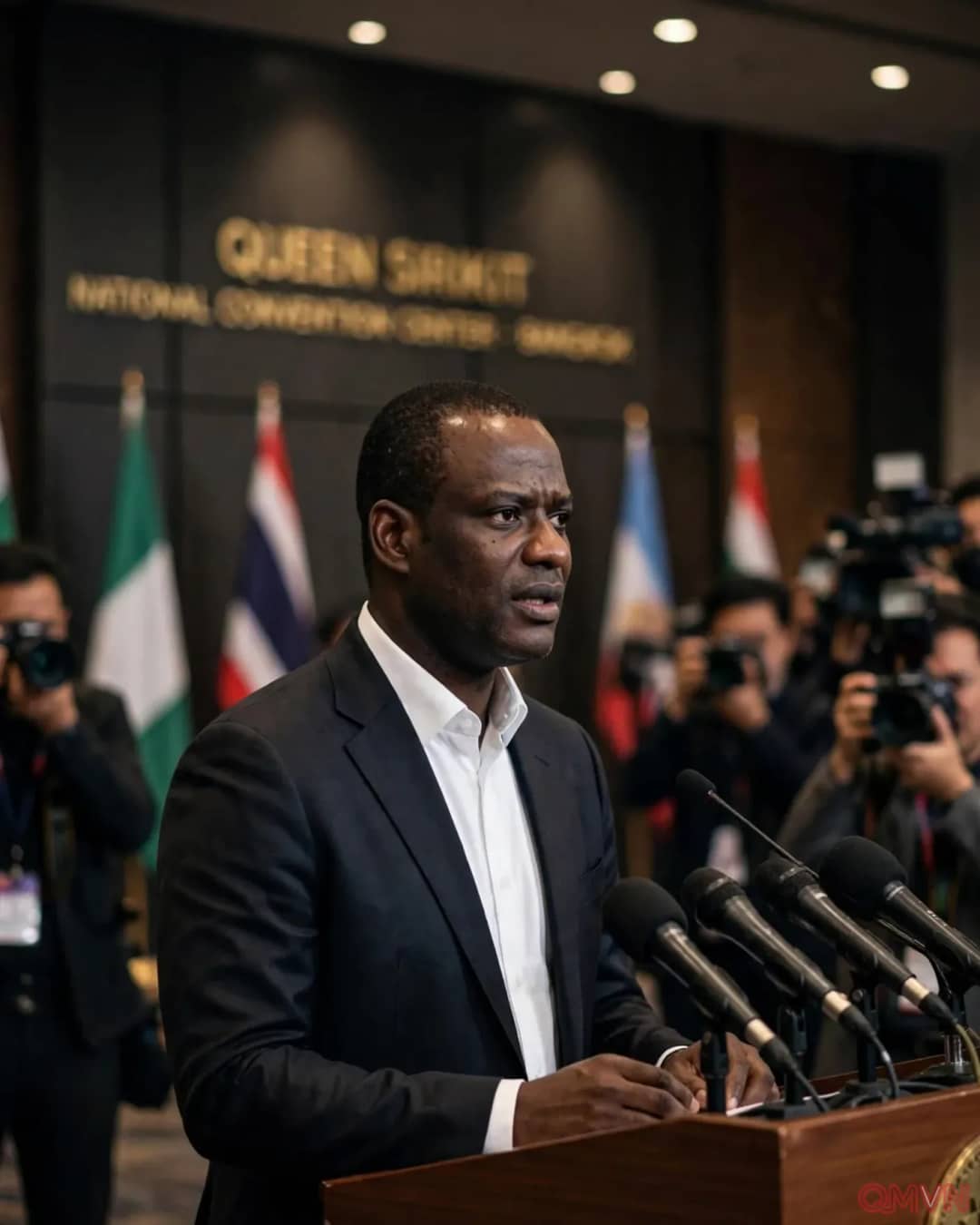
According to Taiwo Oyedele, the problem for many developing countries, especially in Africa, is not just high debt but the high cost of borrowing. The roughly $500 billion gap with developed countries represents hundreds of billions of dollars that could have gone to schools, hospitals and infrastructure.
“What we have seen by members of the G24 and across particularly the developing countries such as those in Africa, is an increasing body of not just high debts, but high costs of debts.” — Taiwo Oyedele
In 2026, heavily indebted countries face a double squeeze: supply shocks from the Middle East war, food price rises driven by a “super El Niño” and climbing borrowing costs. Oyedele said these factors hamper emerging economies’ progress toward an inclusive, job-rich economic transformation.
A call for support
The G24, a bloc of emerging and developing economies, called on international financial institutions to act in the near term. Its main proposals:
The IMF and World Bank should provide more accessible and affordable concessional financing to vulnerable countries.