MAIN ARTICLE
The first bill arrives before the benefit
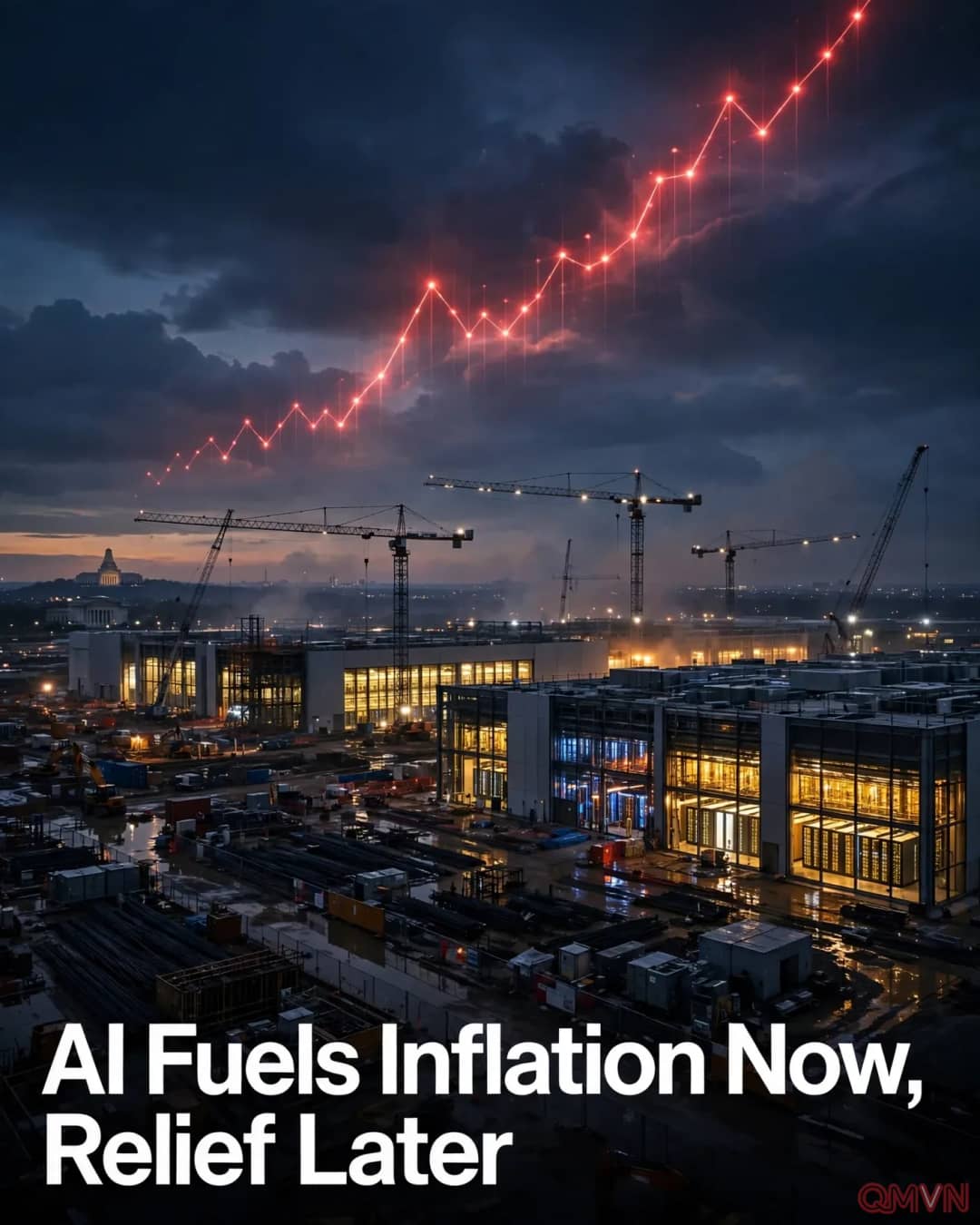
Artificial intelligence is often described as a tool for producing more with less. But creating that tool requires enormous spending first. Developers need specialized chips, networking equipment, electricity, construction workers and buildings to house computing systems. When many companies expand simultaneously, their purchases add to demand for scarce resources even before those investments make other industries more efficient. Jefferson identified this buildout as a current source of upward pressure on demand and inflation, not proof that every AI-related product is becoming more expensive.
This distinction is essential. An increase in corporate investment can support jobs and growth while also straining the supply of equipment and skilled labor. The economic effect depends on how quickly producers can respond and whether projects translate into useful output. It is possible for a technology to have immense long-term value while its construction phase creates short-term bottlenecks. The immediate cost is observable in spending; the longer-term reward requires evidence from businesses actually using AI.
Productivity can change the equation, but not on command
The potential counterweight is productivity: the ability of workers and firms to deliver more value from available time and resources. AI could automate repetitive tasks, assist employees with complex decisions and accelerate experimentation.