MAIN STORY
A widening race between speed and response
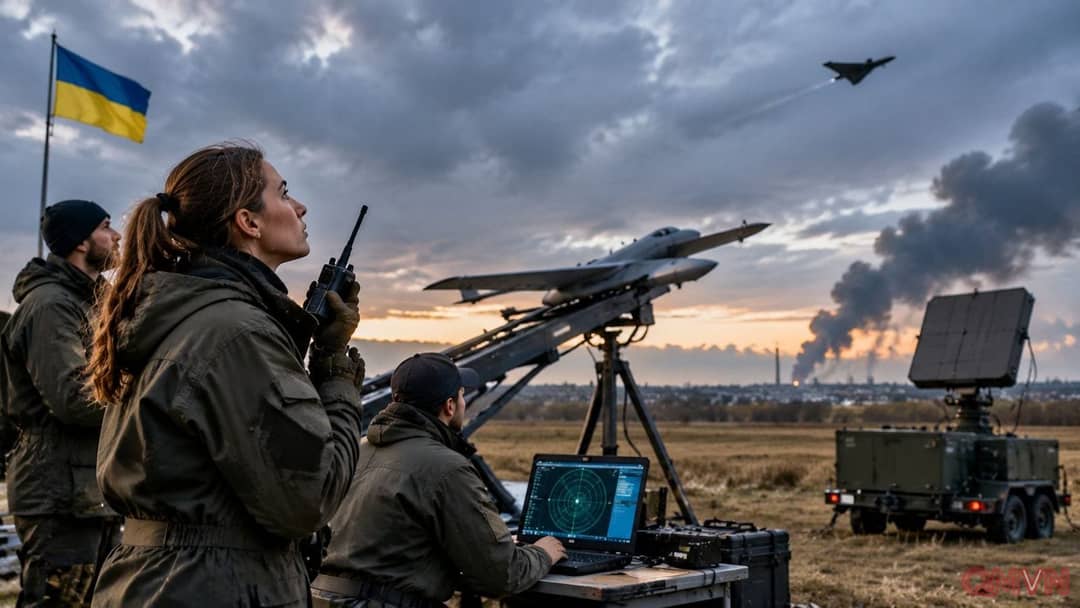
Noctis has increased the speed of its Zirka interceptor by nearly 30% to around 280 miles per hour. That might offer a chance against a Geran-4 when the attacking drone slows to maneuver, but it is substantially below the reported maximum speeds of the Geran-5 and the low-cost Banderol cruise missile. The Wall Street Journal cited figures of roughly 370 and 385 miles per hour for those weapons respectively. Such figures describe reported capabilities rather than verified speeds on every sortie.
An interception also requires more than raw velocity. Sensors must identify a target in time, operators or onboard systems must guide the interceptor, and the aircraft must climb to the correct altitude. Kusti Salm of Estonian defense company Frankenburg Technologies said early detection at approximately 18 miles is vital for positioning a defense. A fast interceptor launched too late can still miss its opportunity.
September figures illustrate the pressure
Ukraine’s air force spokesperson Yurii Ihnat told the Journal that Russia launched about 3,520 jet-powered Geran drones in September 2026, of which approximately 54% were intercepted. Ukrainian defenders reportedly stopped around 90% of nearly 4,900 propeller-driven drones in the same period. These are Ukrainian-reported results, not independently audited totals, but the contrast illustrates the strain placed on defenses optimized for slower aerial targets.