MAIN ARTICLE
A cascade of disruptions across the refining network
Two industry sources told Reuters that the number of affected major refineries had risen from nine in the middle of the previous week to 15 out of 35. Daily crude processing was estimated at roughly 400,000 metric tons, or around three million barrels, down from more than 700,000 metric tons at the end of October. These are industry estimates rather than confirmed official Russian statistics. Russia’s energy ministry did not respond to Reuters’ request for comment, limiting independent certainty about the full scale of disruption.
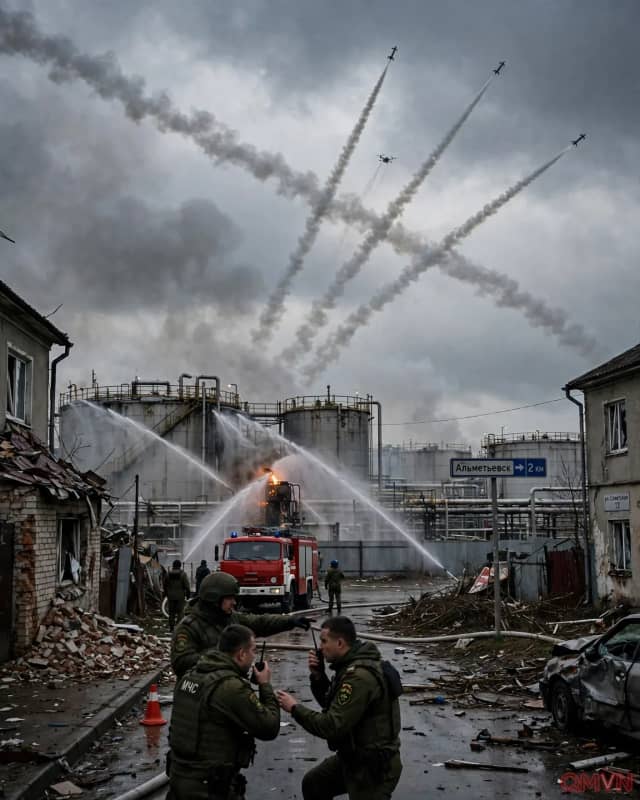
The facilities identified by the sources include refineries in Ryazan, Yaroslavl, Kirishi and the Volga region. In a separate November 18 account, the Associated Press reported Ukraine’s military claim that strikes hit storage tanks at the Ilsky refinery and a processing unit at Afipsky in Krasnodar. Individual damage assessments during a war are difficult to verify. Nevertheless, the growing spread of affected locations suggests a systemic challenge instead of a single isolated breakdown.
Why nameplate capacity differs from real throughput
Reuters calculated that the refineries affected since late October have a combined nominal primary capacity of about 500,000 metric tons a day, approximately 54% of the national total of 930,000 tons. Nominal capacity, however, does not equal lost production.