Street Demonstrations and Fracturing Social Cohesion
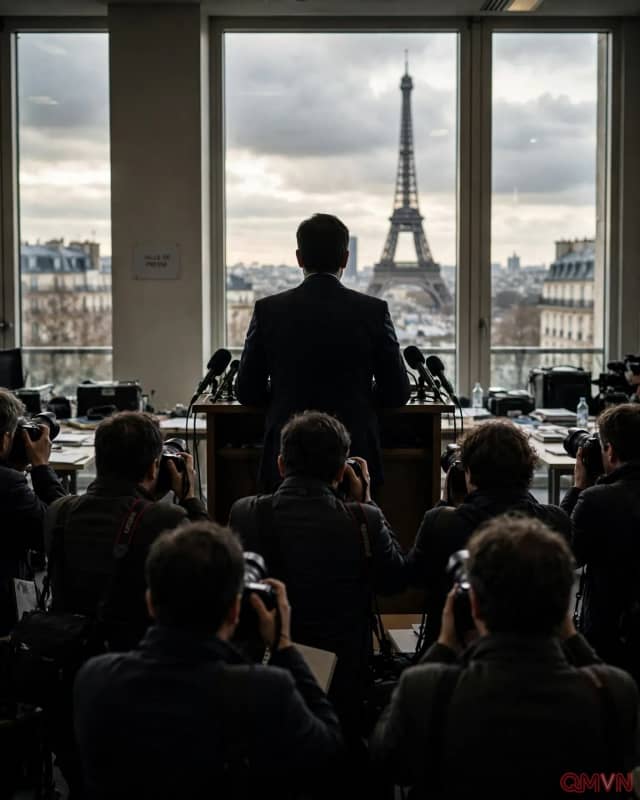
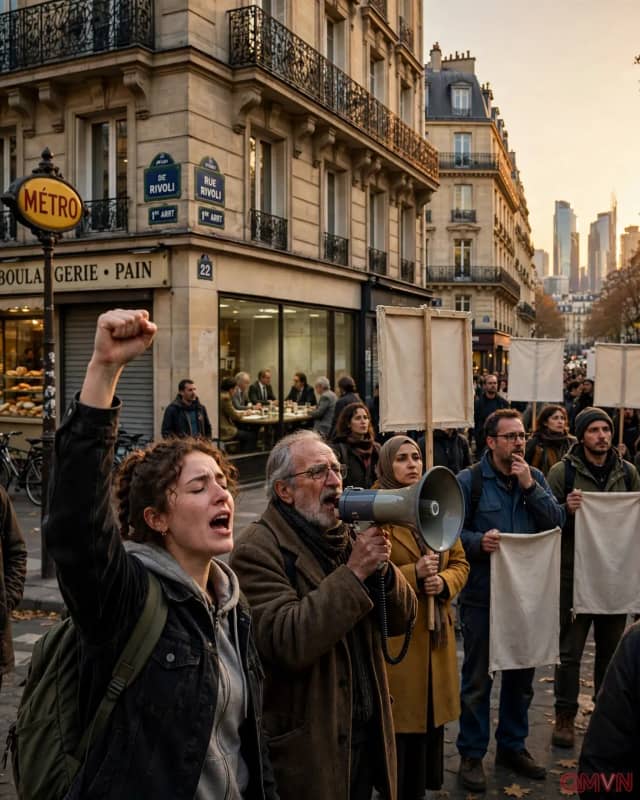
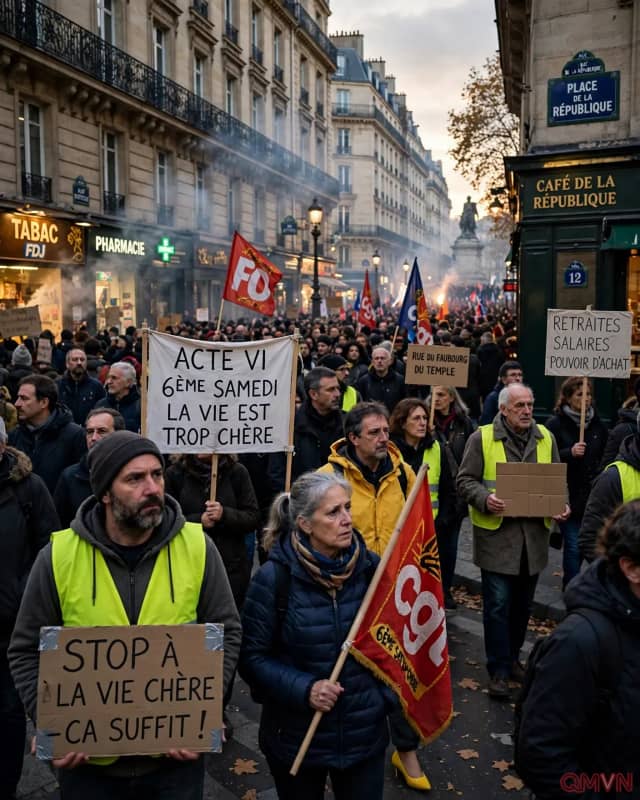
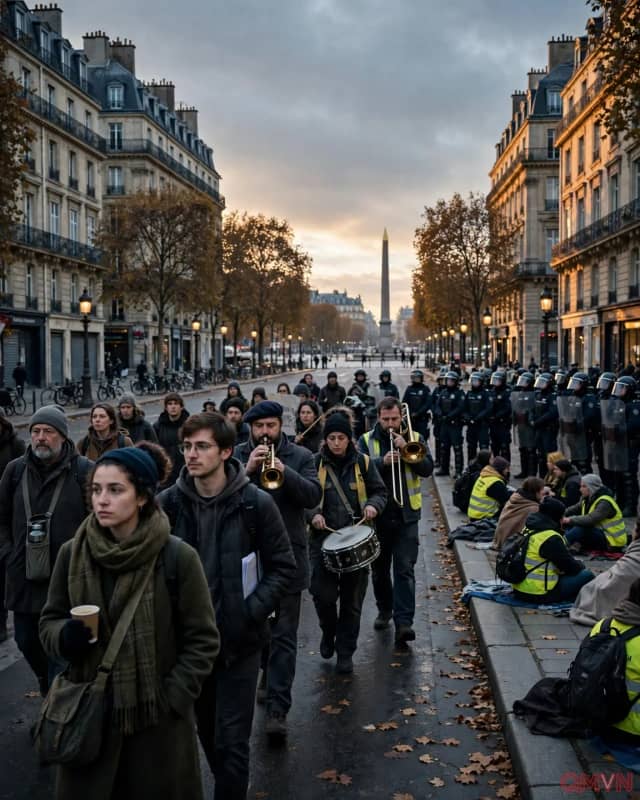
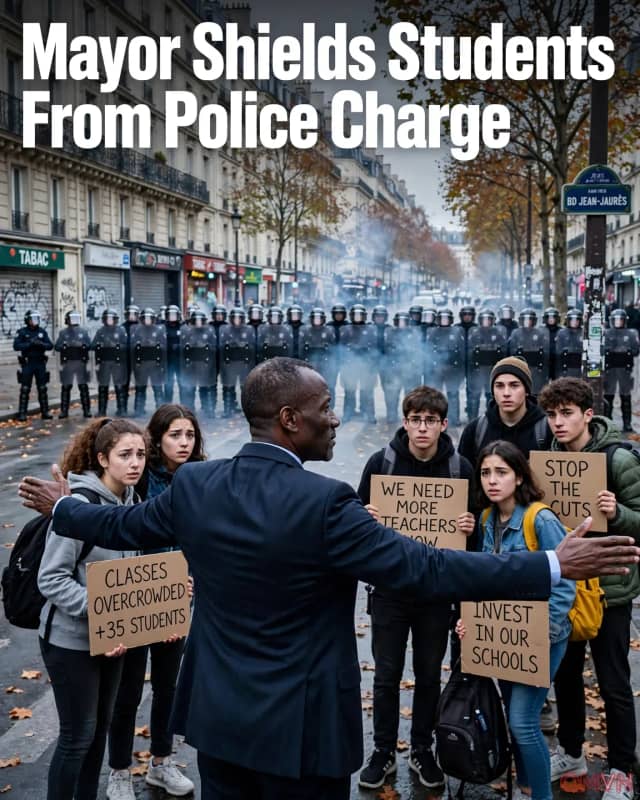
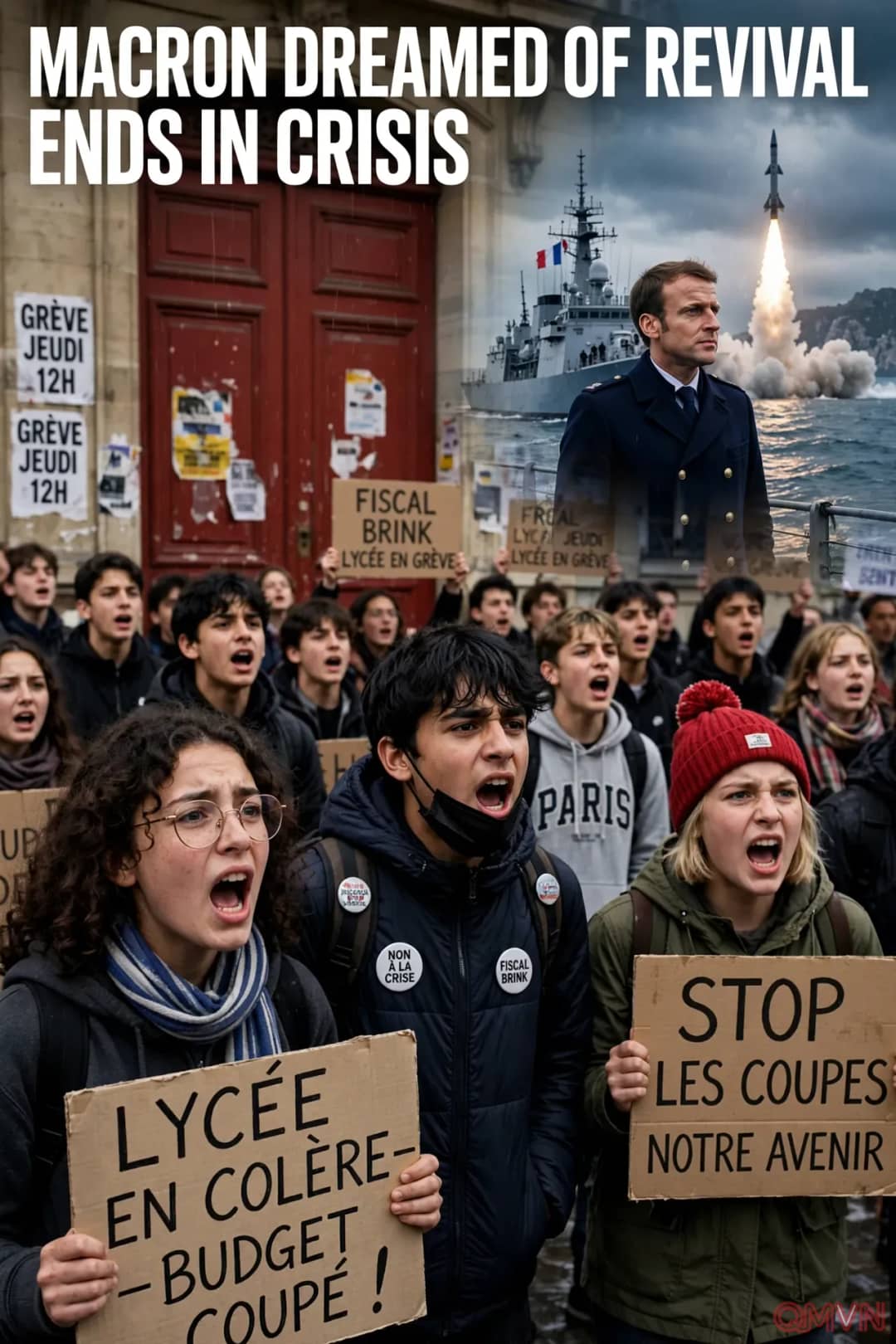
Across French metropolitan centers, civic fury erupted into its fourth consecutive week as thousands of high school students, educators, and labor unionists mobilized against overcrowded classrooms, decaying infrastructure, and the relentless cost-of-living squeeze. Rather than confronting the mounting civil unrest directly, President Emmanuel Macron delegated public crisis containment entirely to Prime Minister Sébastien Lecornu, focusing his executive schedule on naval ballistic testing off Brittany.
This perceived aloofness has reinforced long-standing popular resentment toward an administration widely derided as the 'president of the rich.' The abolition of wealth taxes alongside soaring commodity prices has revived grievances reminiscent of the Yellow Vest movement, pushing a society that historically treasured egalitarian ideals into an increasingly polarized economic reality.
“French society, which always aimed at being egalitarian, is increasingly going the American way.” - Jean-Yves Camus
Pension Overhaul Deadlocks and the Threat of Fiscal Insolvency
Entering office determined to stimulate corporate investment through labor deregulation and welfare streamlining, Macron collided directly with the rigid architecture of France's welfare state, where public expenditures consume 57.3% of national economic output. His contentious initiative to raise the retirement age from 62 to 64 sparked widespread strikes and was subsequently suspended by lawmakers in 2025 following the loss of his legislative majority.