The question no one wants to answer
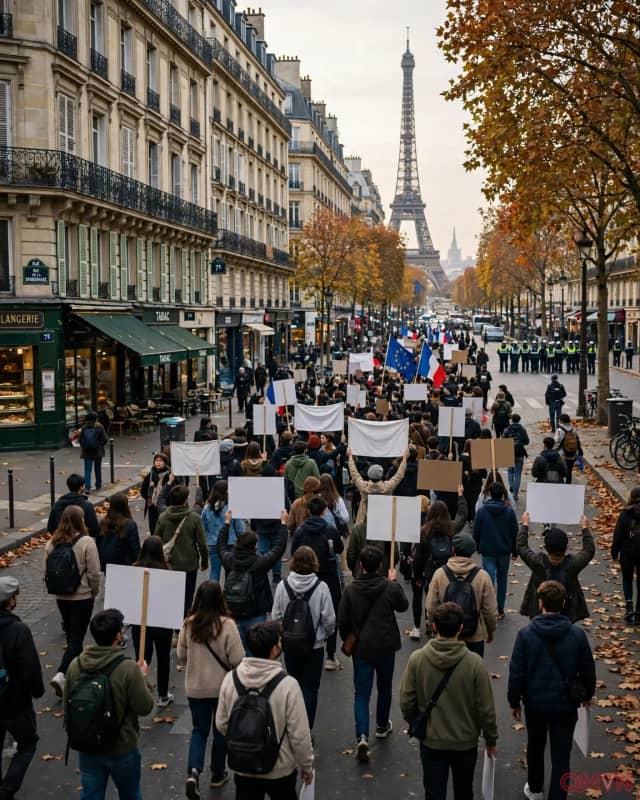
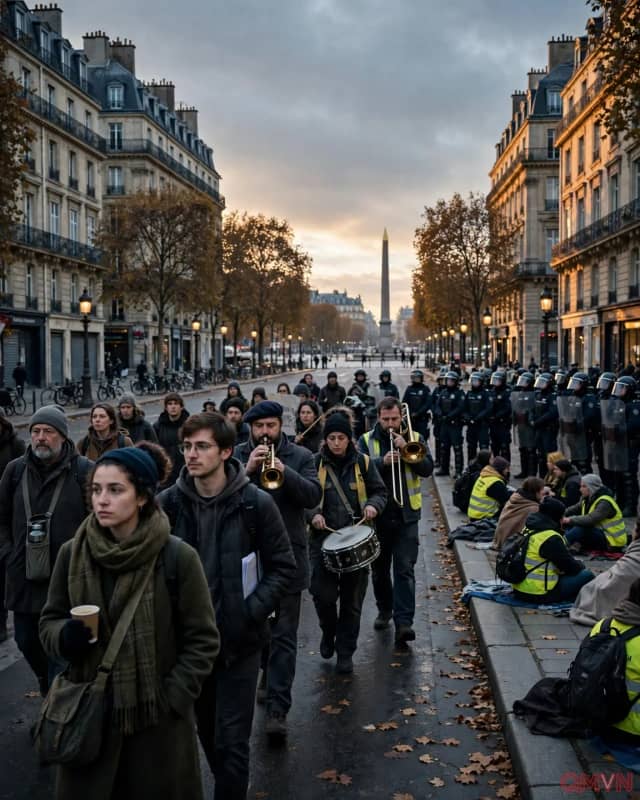
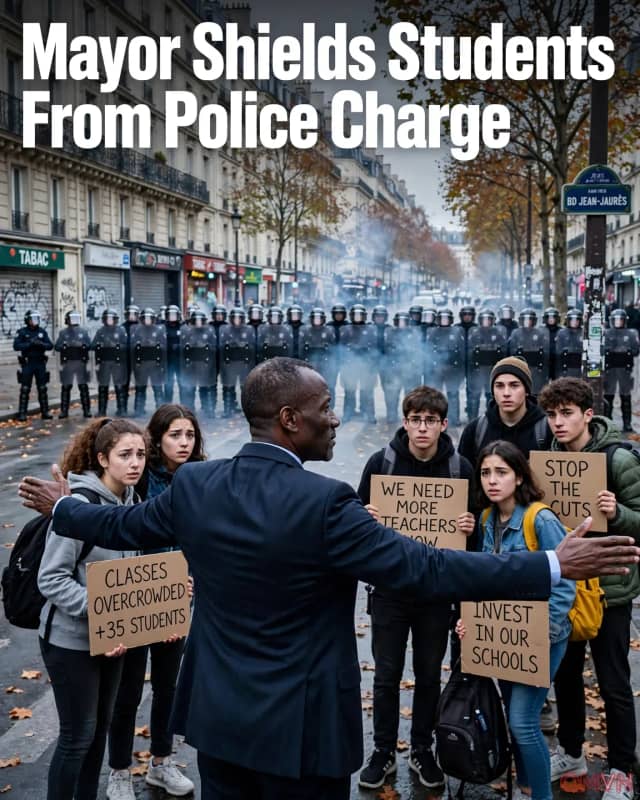
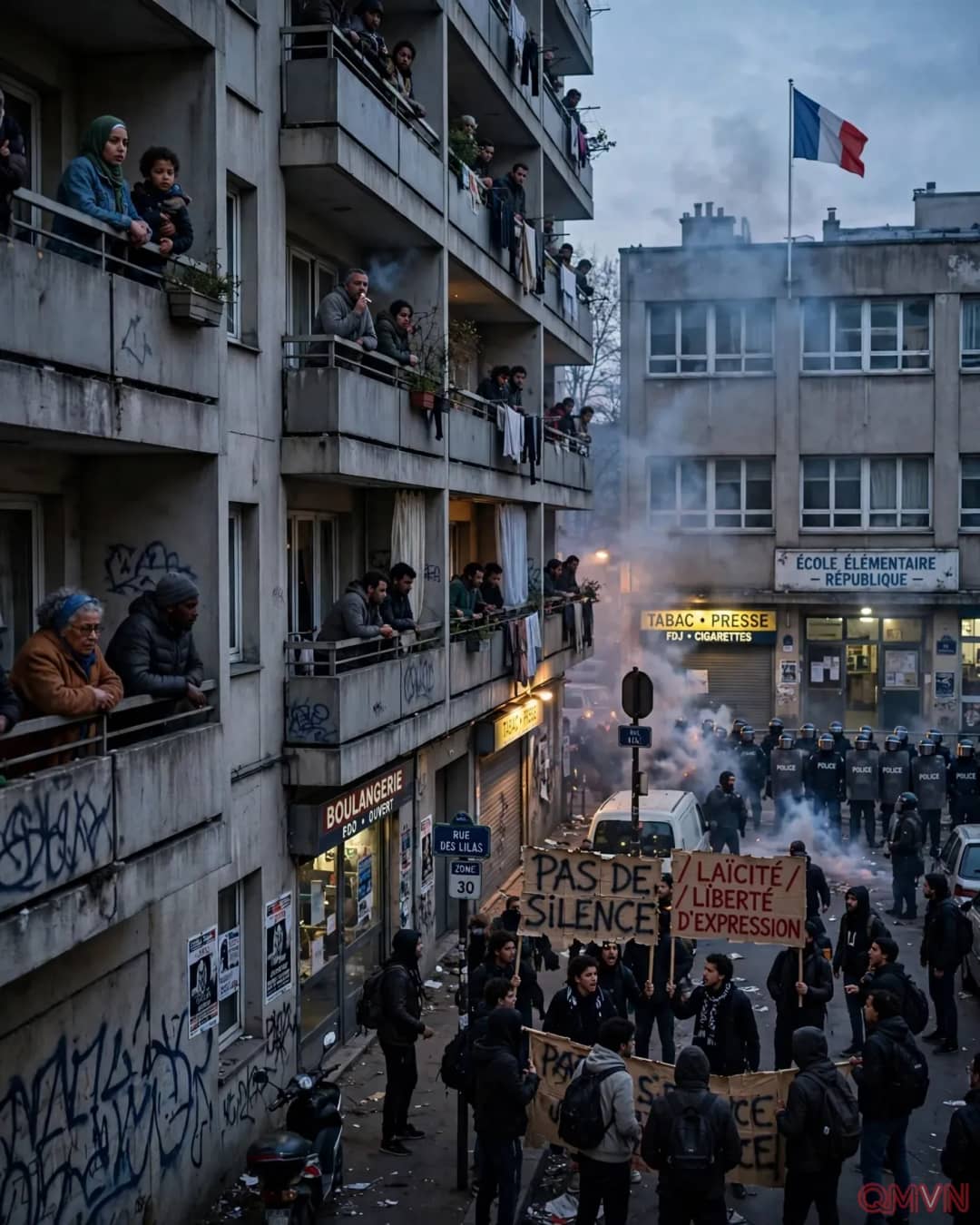
The unrest began in the banlieues, the poor outskirts of Paris where much of France’s Muslim population lives. The public school system there has for decades been a fulcrum of France’s effort to integrate immigrant communities. Fights over headscarves and secularism have spilled far beyond the classroom, dividing voters, often along cultural and ethnic lines.
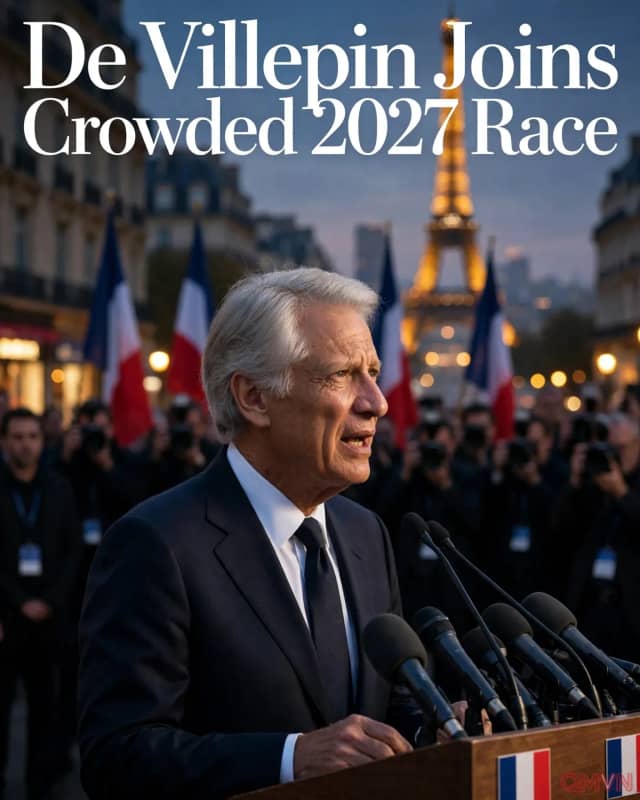
Polls show Le Pen and Mélenchon – the candidates who embody this polarization – are most likely to reach the runoff in next spring’s presidential election, while centrist candidates have been drowned out and seen their support shrink.
The politics of identity are replacing social classes in the language of political battles.
A colorblind republic
In France, the state is barred from collecting statistics on race, ethnicity and religion. That means law enforcement cannot record whether citizens detained in the riots are descendants of immigrants. Companies, academics and others are also heavily restricted and face up to five years in prison and a €300,000 fine for breaking the rules.