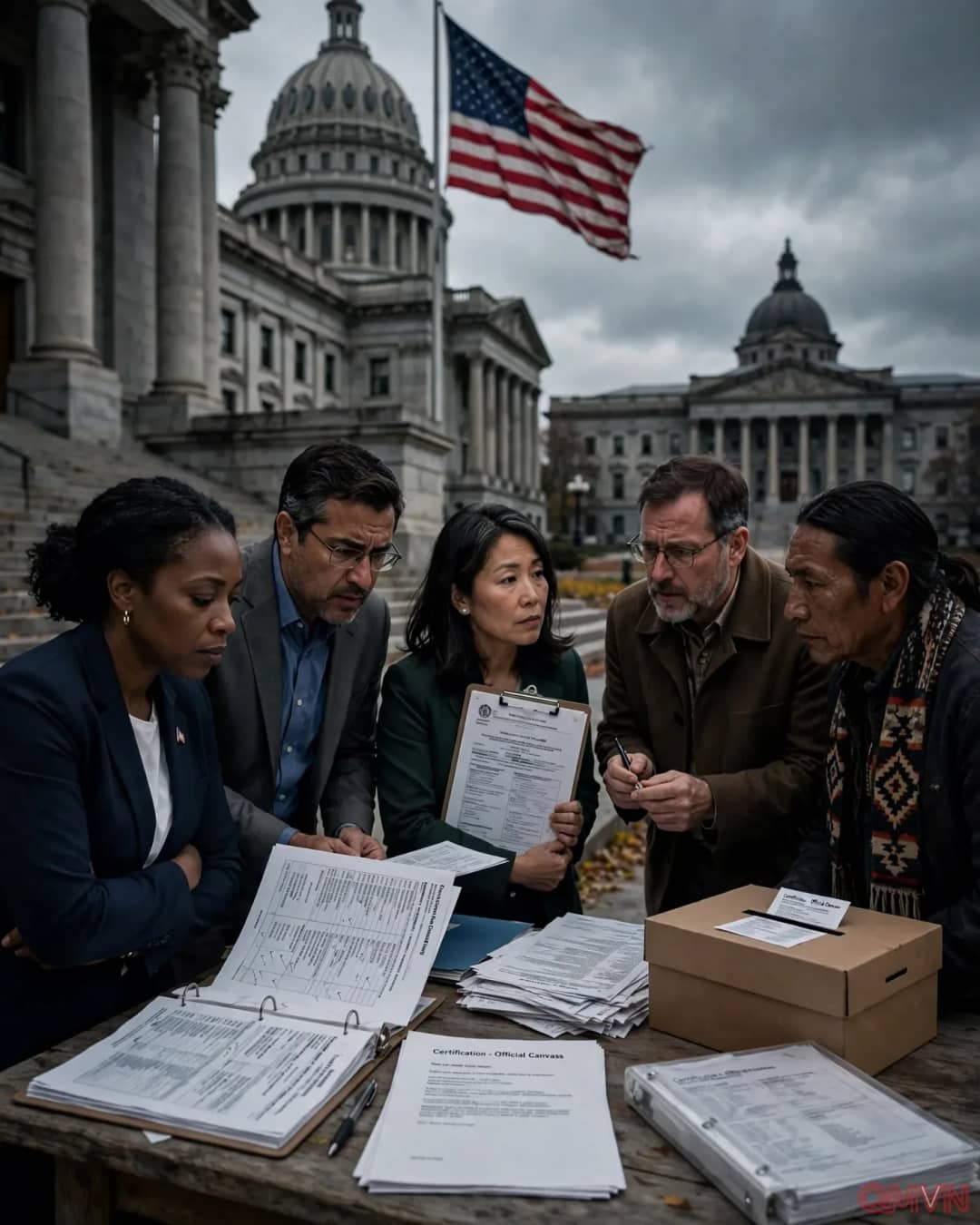
From an obscure office to the political spotlight
In most states, the secretary of state is the chief election official, although the precise powers vary. They may oversee voter registration, issue guidance to local election officials, supervise voting procedures and, in many states, take part in certifying results. A secretary of state cannot simply change an election result, but the office has considerable influence before, during and after voting.
After the 2020 election, secretaries of state in Arizona, Georgia and Michigan were drawn into battles over results, certification and false claims of widespread fraud. The United States is also unusual among democracies in that election officials are often chosen through partisan elections, although research shows they generally administer elections impartially.
Fewer election deniers, but the fight goes on
In the 2022 midterms, 13 candidates who denied the 2020 result reached the general election for this office, but only three won. This year, according to States United Democracy Center, that number has fallen to seven.