MAIN TEXT
An online confirmation did not always complete the process
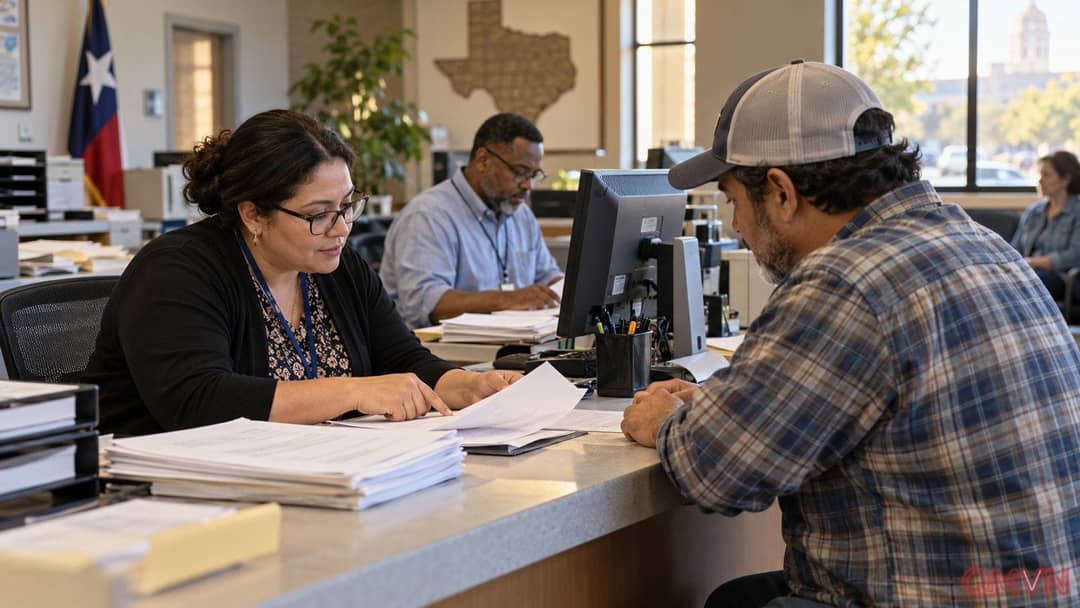
According to The New York Times, the lawsuit alleges that a programming error allowed some people to receive a receipt confirming their choice to register during driver-license transactions without the necessary data being properly recorded. The allegations identify a December 2025–February 2026 period; other reporting describes a broader range of delayed records. Those accounts should not be collapsed into a single unqualified timeline.
Earlier Votebeat and Texas Tribune reporting said the backlog included both new applications and updates. It should therefore not be treated as a count of people who had never registered, or proof that nearly 600,000 voters were excluded from the rolls. Records, distinct individuals and people actually unable to vote are separate measures that require separate verification.
The gap between a receipt and a completed outcome can understandably unsettle residents. Someone who finishes an online transaction has reason to believe it is moving forward, even when transmission between agencies fails. The administrative lesson is that a public service needs confirmation at the receiving end, rather than relying solely on the first screen's indication of success.