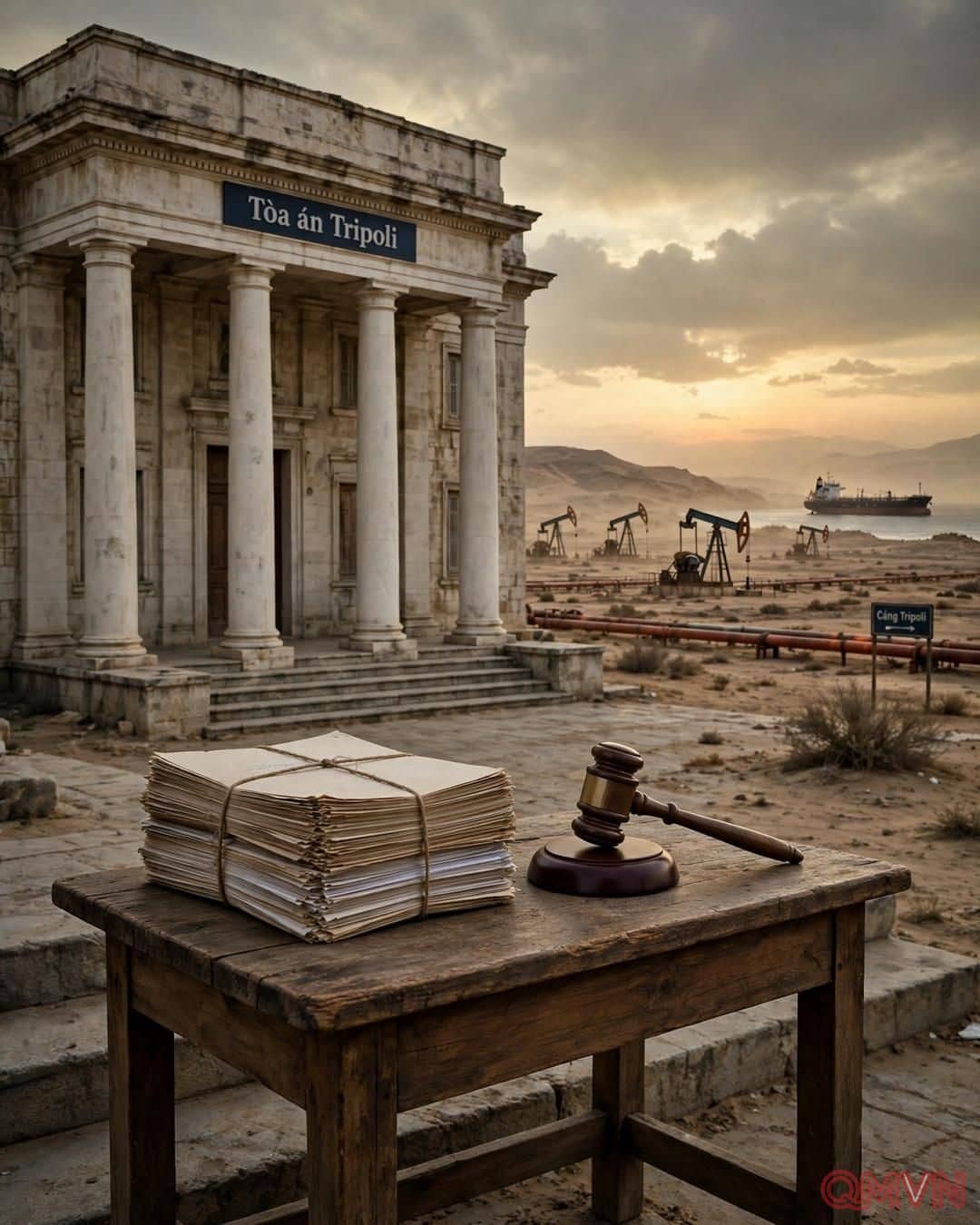
MAIN CONTENT
A contract under judicial scrutiny
The arrangement concerns Sarir and Messla, two important fields in Libya’s petroleum industry. Its underlying commercial logic was to exchange a share of production for investment in development. Such a mechanism can attract capital and technical expertise, but its credibility depends on the clarity of contractual obligations, the legality of approvals and the ability of public institutions to monitor performance.
The Tripoli administration argues that the agreement suffers from procedural and legal defects and questions whether the company met the applicable technical requirements. Arkenu maintains that the agreement was endorsed by the cabinet and raises questions about the appropriate jurisdiction for a commercial dispute. These opposing arguments underline the distinction between a government’s decision to withdraw support and a court’s determination of contractual validity.
Following the money rather than the promises
The UN Panel of Experts’ report S/2026/224 describes exports of at least 42.1 million barrels by Arkenu between January 2024 and December 2025. The experts also questioned whether investment commitments had been fulfilled and concluded that the exports qualified as illicit under the relevant UN framework.