A first step towards the truth
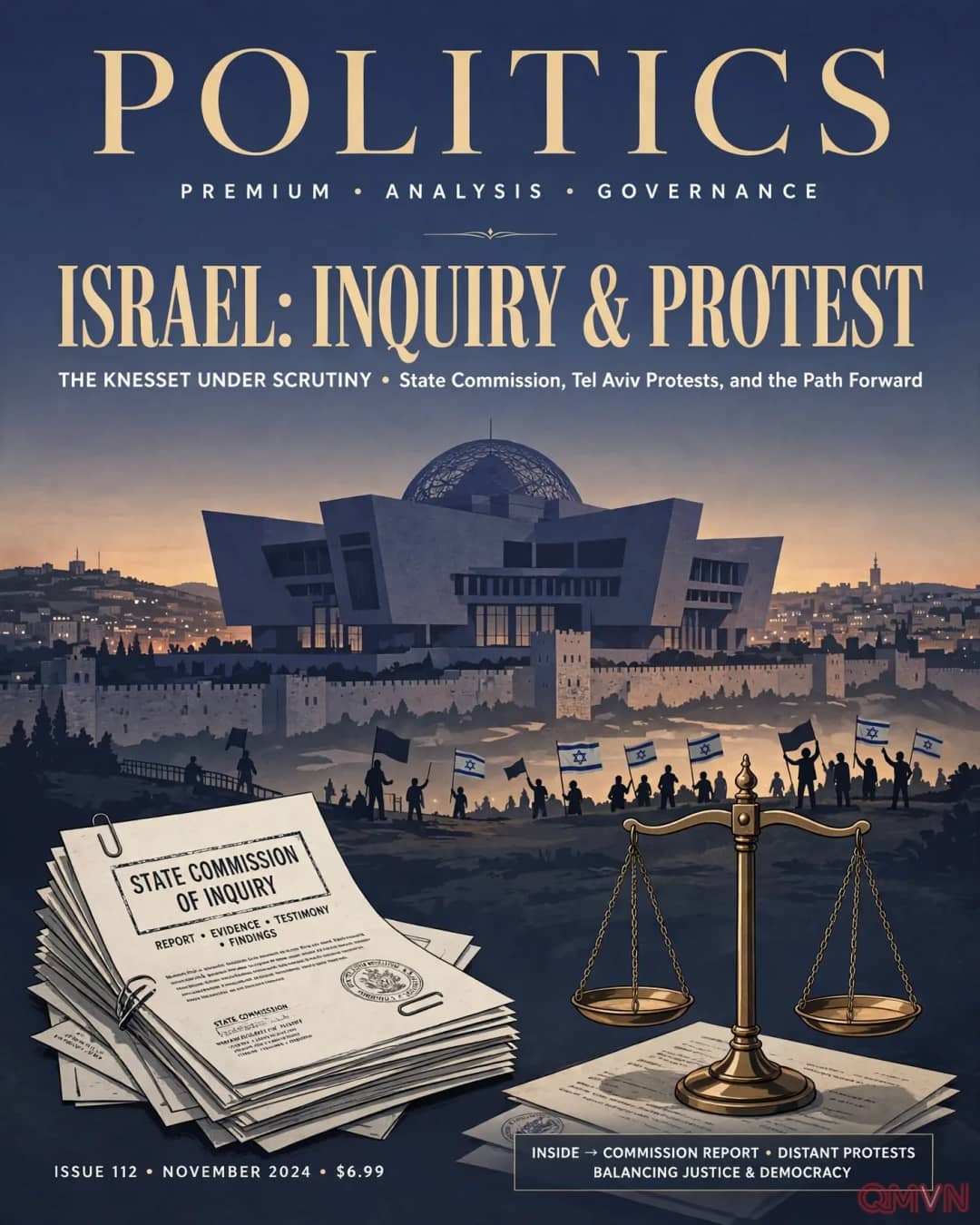
According to Reuters, Wednesday's vote was the first of four needed to pass a law creating a state commission to investigate Israel's failures in the run-up to the deadliest day in its history. Surveys have shown wide public support for such a commission.
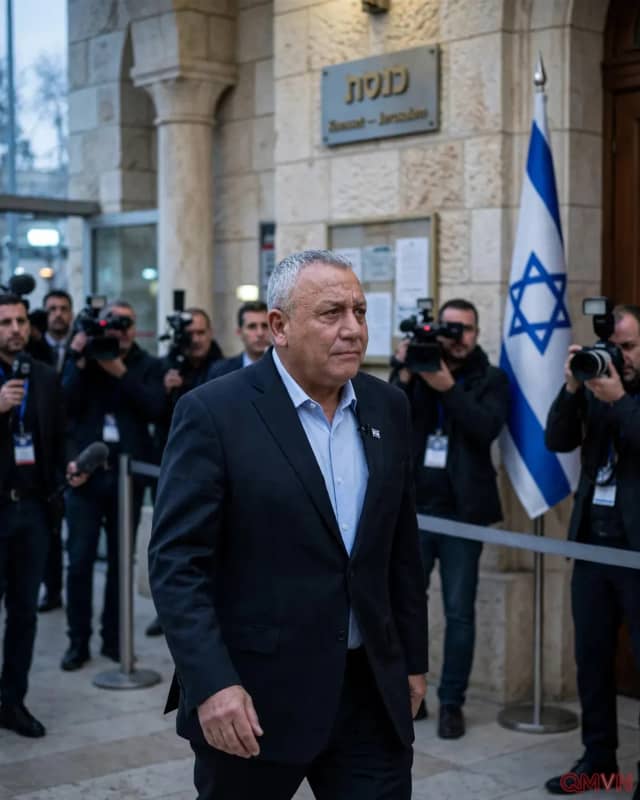
Gadi Eisenkot's bloc of Jewish-led opposition parties was joined by parties representing the Arab minority to pass the bill.
For the bereaved families, for the survivors of captivity and those who did not return to us alive, we will uncover the truth and take every step to prevent the next disaster.
Two views on how to investigate
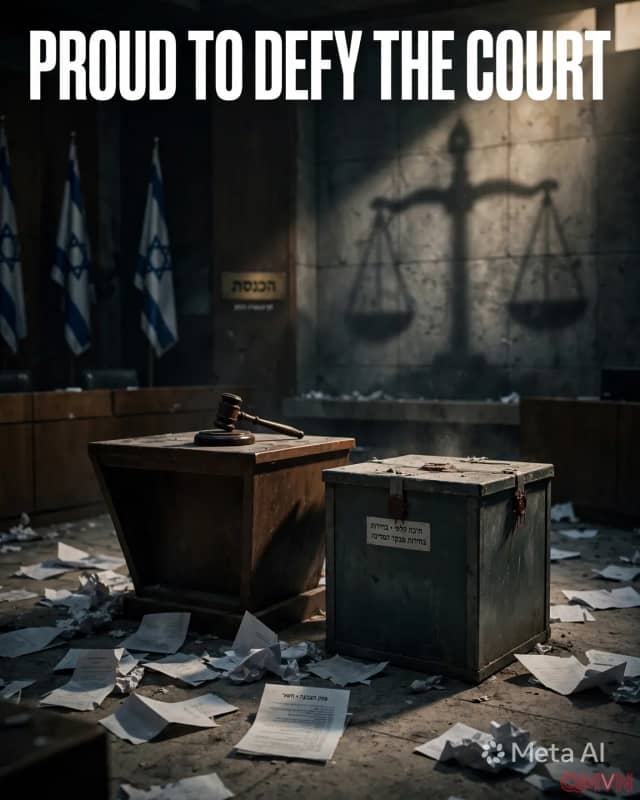
Netanyahu opposes an independent probe and has instead proposed a government-empowered inquiry, in which lawmakers would pick the panel members and the cabinet would set its mandate. Critics, including Eisenkot, describe this as an attempt to cover up the truth.
There was no immediate comment from Netanyahu's office. However, Transport Minister Miri Regev, a close ally of the prime minister, voiced concern about the bill's real aim.
The bill will not lead to an examination of the failures that took place, but rather will investigate our brave, heroic soldiers.
Political deadlock
In the October 27 election, Netanyahu's coalition of far-right and ultra-Orthodox parties was reduced to 53 seats in the 120-seat Knesset, though his Likud party remains the largest. Eisenkot's bloc won 48 seats, while Arab-led parties won a record 19. Most of the parties in Eisenkot's bloc have so far refused to form a governing coalition with Arab-led parties.
Even so, Arab lawmakers have voted with the opposition, allowing it to steer the agenda, including electing a member of the Yashar party as Knesset speaker last week. Eisenkot has until December 6 to form a government, with a possible 14-day extension. If he fails, Netanyahu would likely get the next chance, and if no government can be formed, Israel would hold new elections.