When Americans turn against data centres
Late in September, US President Donald Trump, flanked by tech executives at the White House, warned voters that if they rejected data centres, companies would be forced to go overseas. He insisted there would hardly be room for second place in the AI race, implying that opponents were handing the advantage to China.
“Whoever wins superintelligence wins.” — Donald Trump
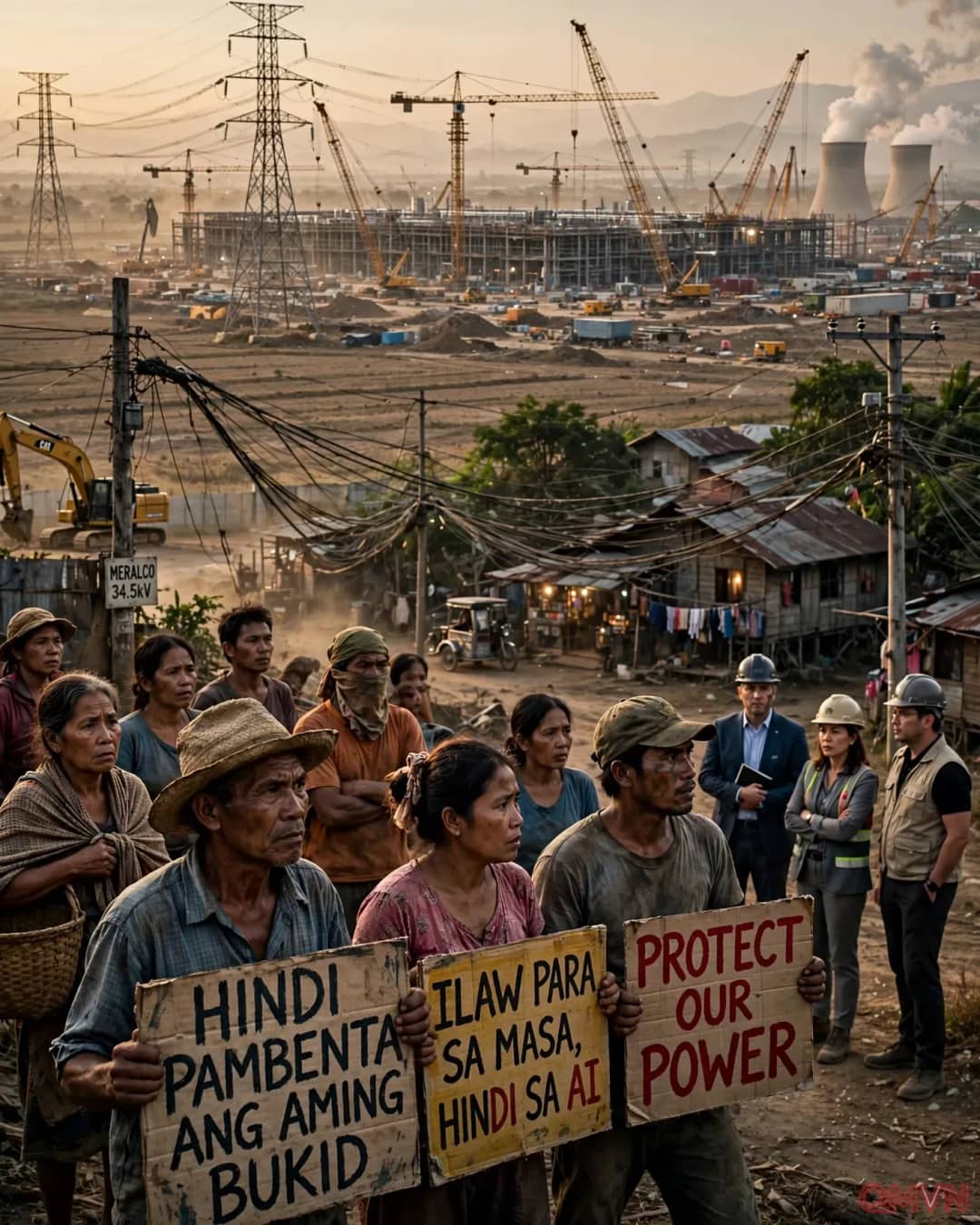
That message, however, has failed to win over many local communities. According to surveys and US media reports, residents in several states worry that giant server farms drain power and water and raise utility bills, while the economic benefits remain unclear. Many also fear that AI will take away their own jobs.
Pax Silica and the push into the South
Pax Silica, the AI supply-chain “club” launched by the US State Department, is designed to bind partners into America's computing ecosystem and keep them away from China's. Host countries have responded very differently:
- The Philippines: an “economic security zone” of about 1,600 hectares in Capas, Tarlac province, is under way; Manila rejected a request to grant the US jurisdiction and insists the zone remains under Philippine law.