Pomp and symbolism in Shenzhen
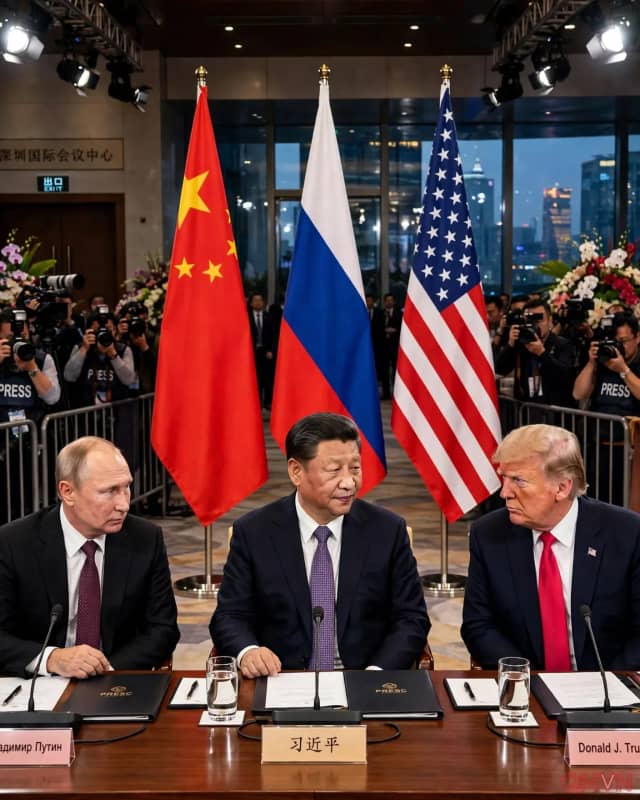
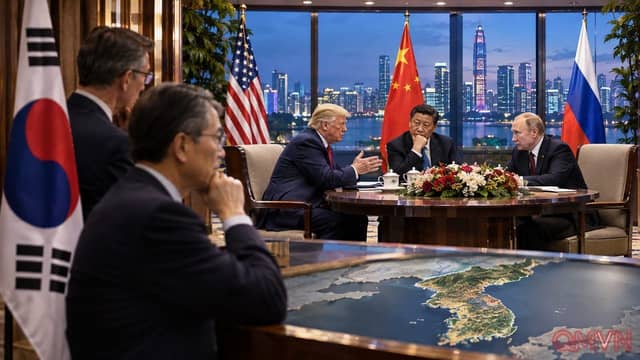
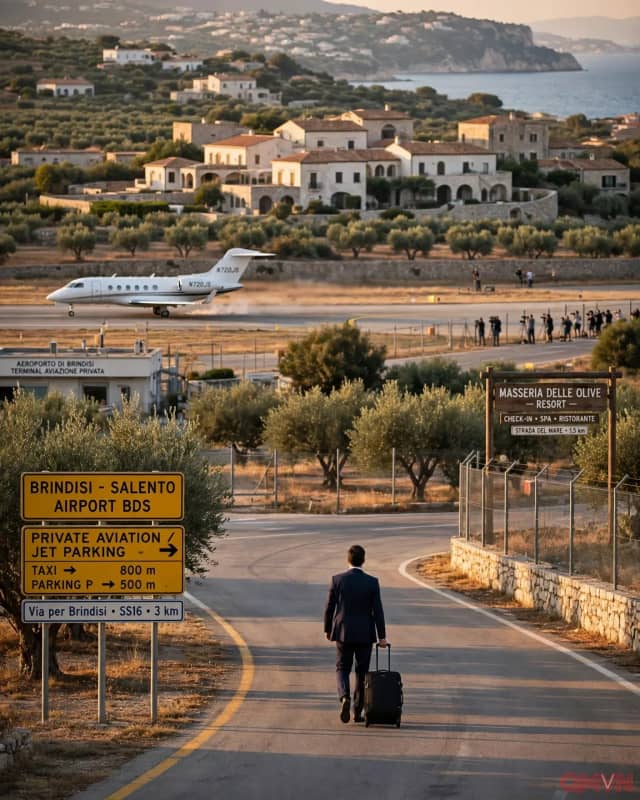
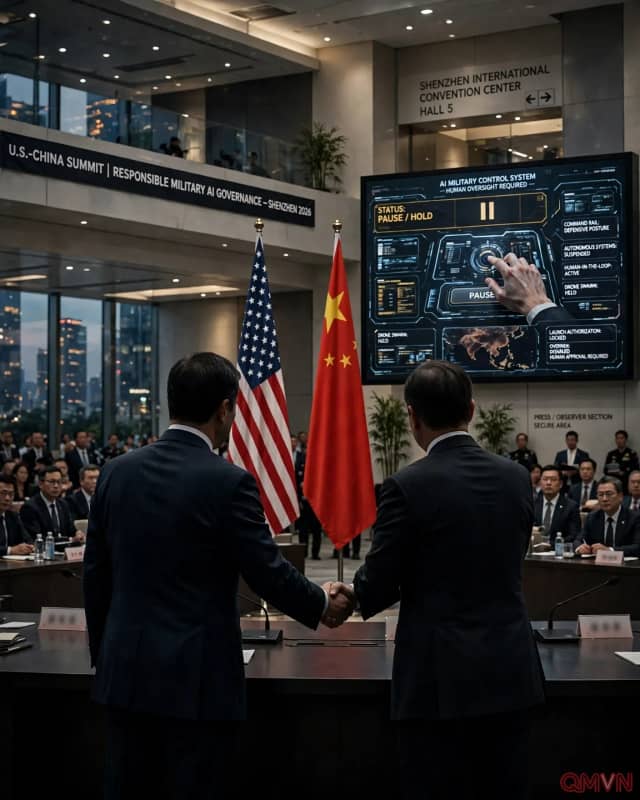
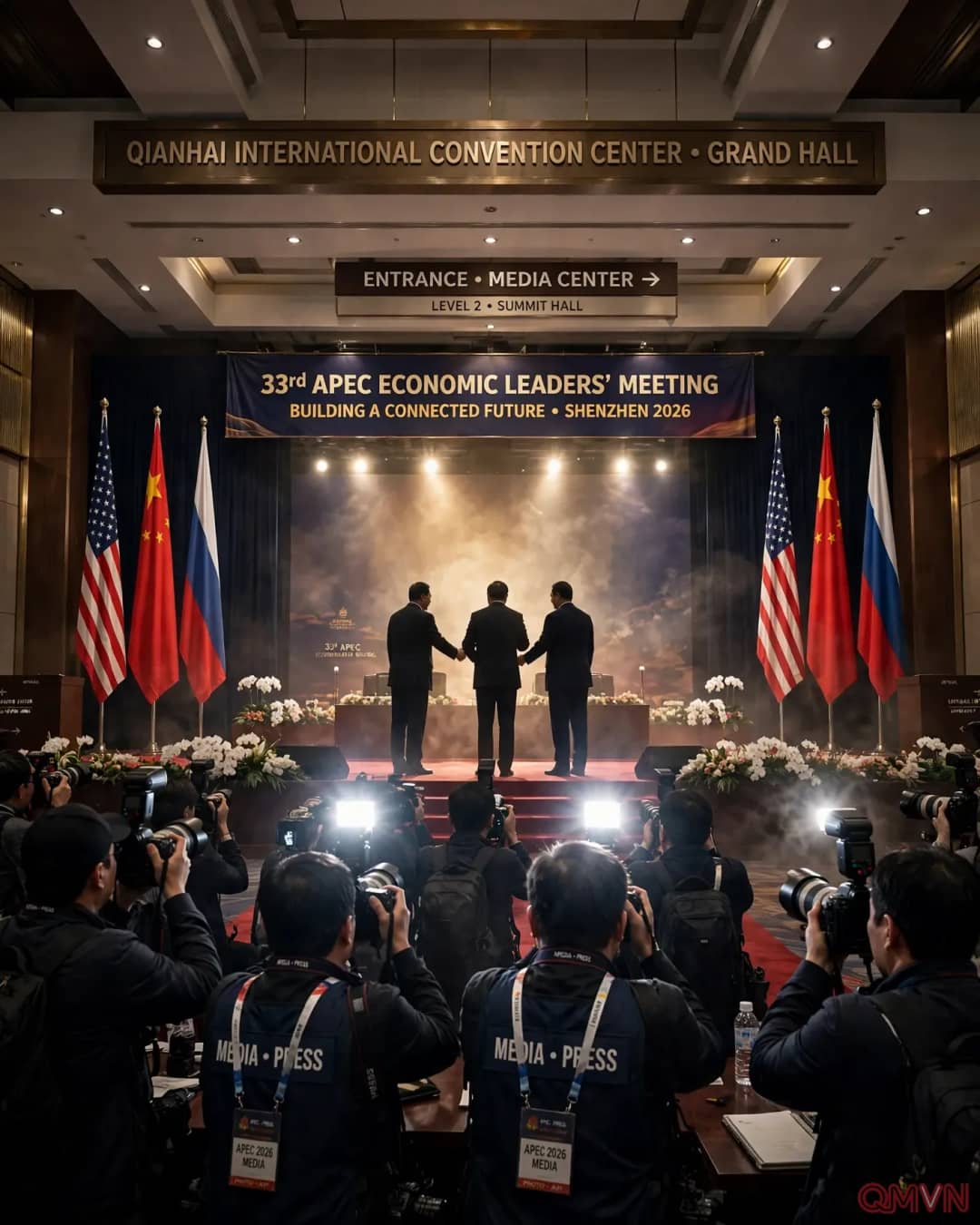
Xi broke with protocol by meeting Trump on the tarmac when Air Force One landed on November 18, a gesture the US president described as a major win even before talks began. On November 19, the two leaders held their third substantial meeting of the year, followed by the first-ever trilateral summit between the leaders of China, the United States and Russia at Kylin Villa.
Opening the three-way meeting, Trump defended his approach of engaging with adversaries.
No peace was ever forged by declining opportunities for engagement.
The four-point declaration that followed reaffirmed that nuclear war cannot be won, pledged talks on reducing nuclear risks, called for reform of the United Nations, stressed stable energy flows and criticised the International Criminal Court. It did not mention Ukraine or Iran, and several analysts described it as short and general.
Few concrete gains for Washington
Trump said he and Xi discussed artificial intelligence, trade and oil shipments through the Strait of Hormuz. Washington has been pressing Beijing on several fronts, but public results remain limited:
- China is on course to meet its soybean pledge for 2026, but has delivered only part of its other promised farm purchases.
- Rare-earth exports remain well below the levels seen before the trade war escalated last year.
- Two Americans whom Washington considers wrongfully detained have not been released.
China's Foreign Ministry said the two sides would map out an action plan for a 'constructive relationship of strategic stability', a framework first announced in May, without giving details or a timeline.
Its readout did not mention trade, rare earths, chip controls or the detained Americans, but it did record Xi's warning that the US must handle Taiwan correctly to avoid setbacks in relations.
Two readings of the same summit
Analysts critical of the outcome argue that Beijing has achieved what it wanted: keeping talks going, delaying concessions and securing more strategic space on Taiwan and technology. Hosting the trilateral meeting also allowed Xi to present himself as a central figure in managing global affairs.
Supporters of the White House approach counter that dialogue among the three largest nuclear powers has value in itself, especially at a time of war in the Middle East and Ukraine. Some observers in Beijing also note that, after a year of intense negotiations and following the US midterm elections, simply maintaining stability is a meaningful achievement.
Chips, Congress and the clock
Pressure on China is rising in Washington. Following the resignation of Nvidia chief executive Jensen Huang this month over a personal relationship that US intelligence reportedly linked to Chinese espionage, the administration has moved to close loopholes in AI chip export controls. A new rule restricting Chinese access to advanced chips took effect on the day of the summit. In Congress, a House committee has called for limits on investment in China's aerospace sector, and a senator has proposed revoking China's normal trade status.
Beijing has vowed to retaliate against such measures, but analysts say it prefers to fulfil commitments step by step, keeping leverage in reserve. The trade truce expires on January 10, and an extension is expected to be discussed when Trump and Xi meet again at the G20 summit in Miami in December.