Iran says it has lifted its self-imposed limit on missile ranges as fears of all-out war rise in the Middle East
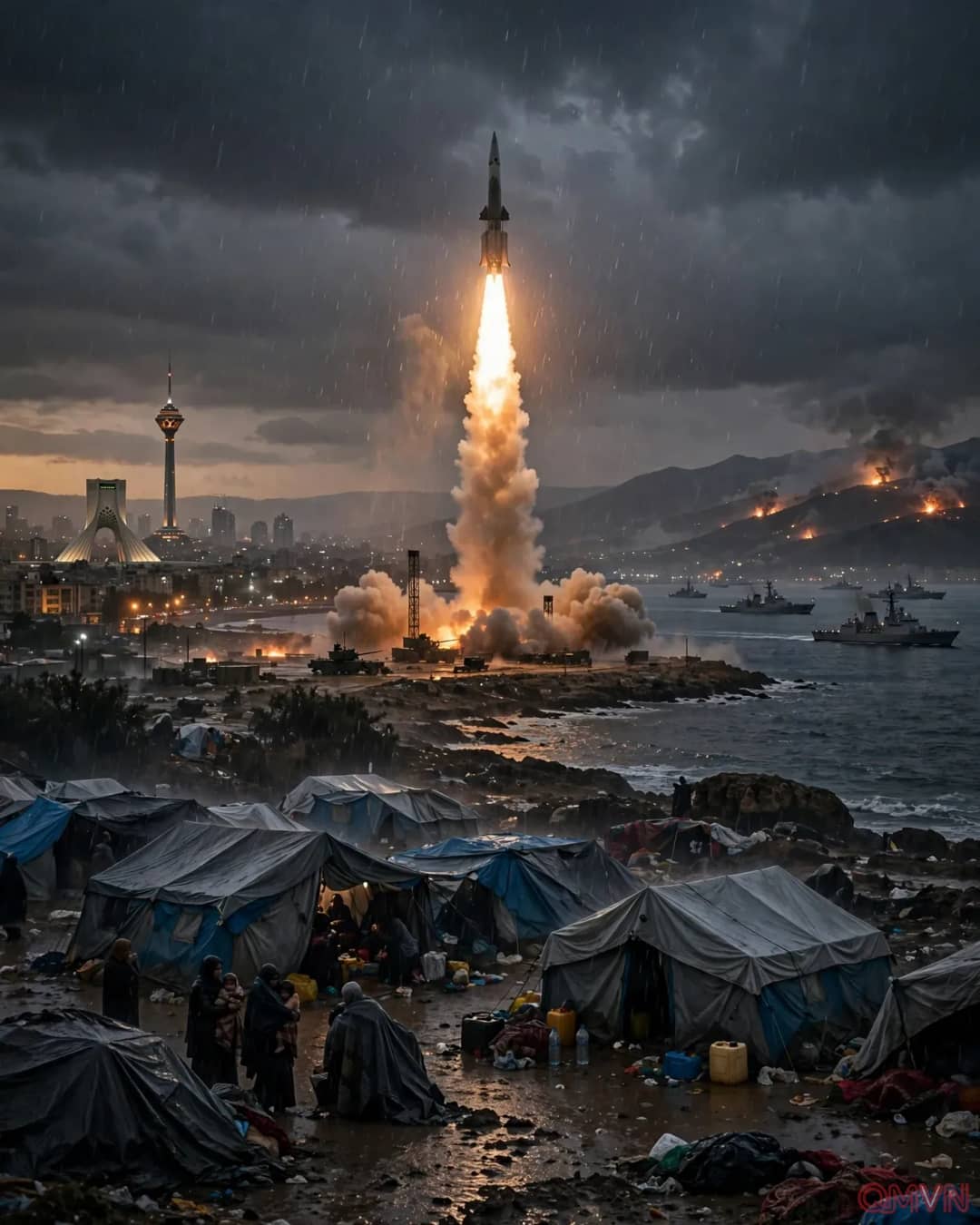
On Nov. 7, 2026, Iran’s Islamic Revolutionary Guard Corps said it had lifted a self-imposed 2,000-kilometre limit on the range of its ballistic missiles, suggesting the country may seek to develop missiles capable of reaching more distant targets. The statement came days after Iran’s supreme leader warned that any threat from the United States or Israel would face a response without geographic limits. The same day, US Central Command said it disabled a commercial vessel leaving an Iranian port despite warnings, while Iran’s military said two tankers hit mines in the Strait of Hormuz. Elsewhere, airstrikes near Yemen’s capital Sanaa killed dozens, Israel’s president tasked Gadi Eisenkot with forming a government, and heavy rain marked the start of a harsh winter in Gaza.
Edite QUANG MINH·2 min read · 3 min listen·7 November 2026, 21:48 EST·
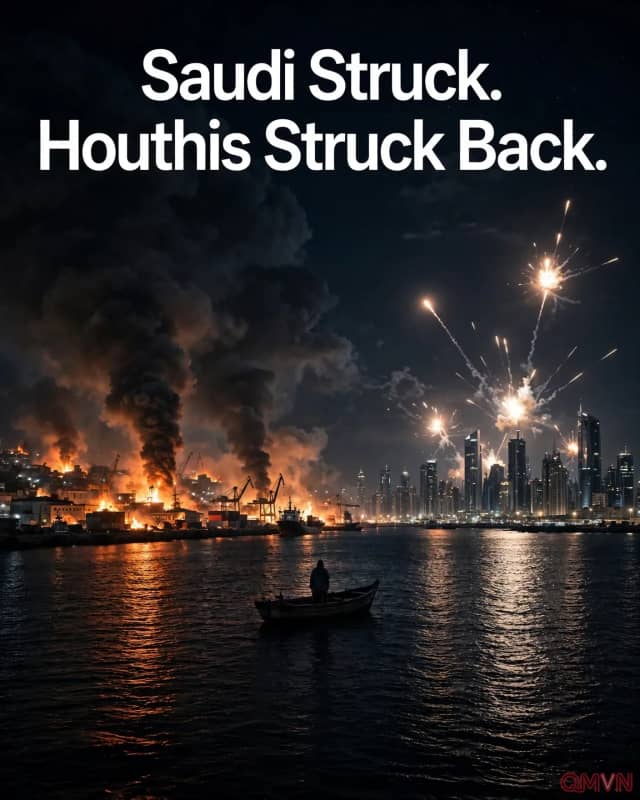
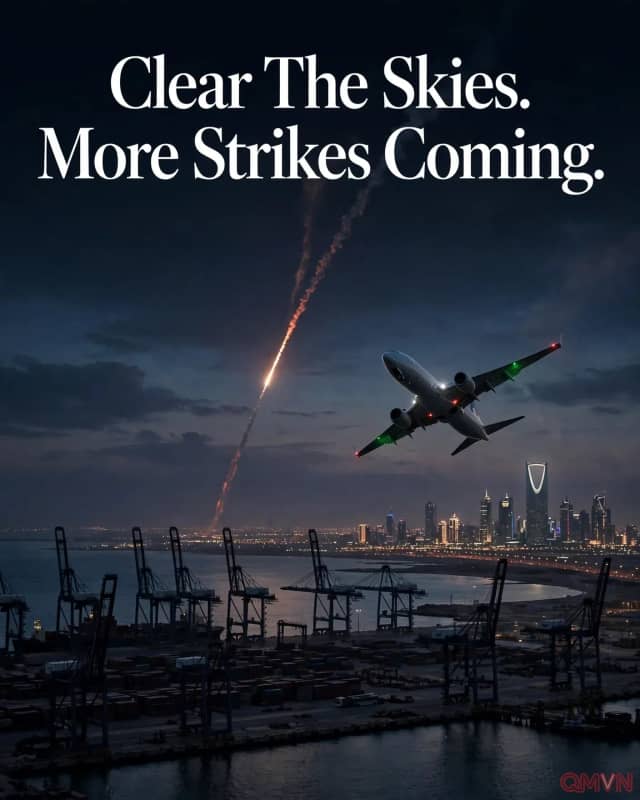
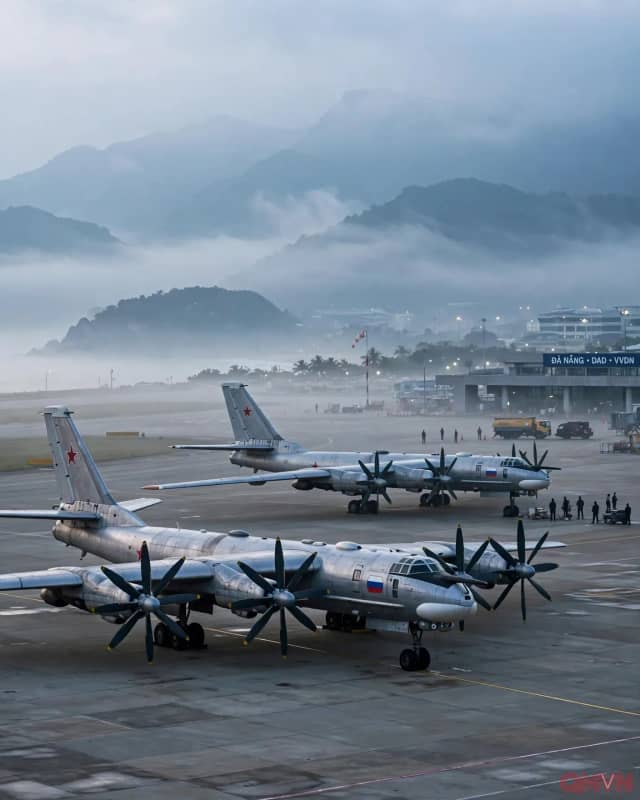
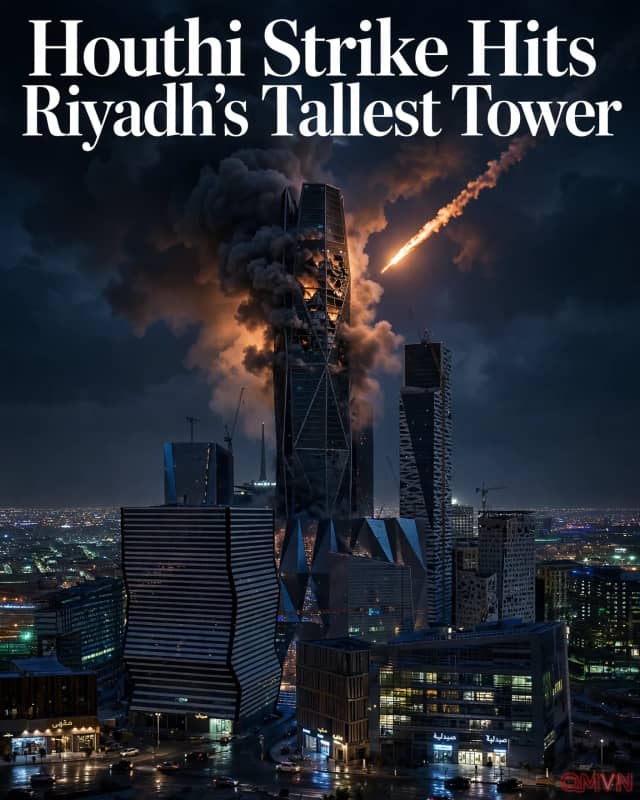
AI-generated illustration
A range limit lifted
Asked at a Tehran news conference, Revolutionary Guard spokesman Gen. Hossein Mohebbi confirmed the missile-range limit had been removed.
That restriction has been lifted for us.
Iran is not known to have missiles that can exceed 2,000 kilometres. However, US officials have said technology from Iran’s space programme could be repurposed to build intercontinental ballistic missiles.
Advertisement
300 × 250
The statement came days after the supreme leader warned that any threat from the US or Israel would meet a response without geographic limits.
Tension at sea
Developments around the Strait of Hormuz continued to escalate:
US Central Command said it disabled a St. Kitts-flagged ship after it ignored multiple warnings and tried to leave the region after visiting an Iranian port.
Iran’s military said two tankers hit mines and caught fire; Iranian state media reported explosions on Qeshm Island and at the port of Jask, with the cause unclear.
The US says its naval blockade had redirected 144 commercial vessels through the end of October; Washington also set up a new task force to restrict Iran’s land and Caspian Sea transport routes.
The Strait of Hormuz is a crucial global shipping lane, especially for oil, and Iran established a chokehold on it at the start of the war.
Other flashpoints
In Yemen, the Houthi-run health ministry said airstrikes near Sanaa killed dozens of people, mostly women and children, and blamed Saudi Arabia; the Associated Press could not independently verify the claims. In Israel, President Isaac Herzog gave opposition leader Gadi Eisenkot the first opportunity to form a government after the Oct. 27 election, in which no bloc won a majority.
In the Gaza Strip, heavy rain flooded tents, marking the start of another difficult winter for more than 1.6 million Palestinians living in tents or makeshift shelters.
Echoes of the US election
The US midterm results suggest long-standing American support for Israel is under strain in both parties: Democrats are deeply divided, and many Republicans are increasingly critical of Israel’s government, particularly its conduct of the war in Gaza.
Abdul El-Sayed, a critic of Israel, became the first Muslim elected to the US Senate. Vice President JD Vance partly blamed Republican losses on US-Israel relations, including the war on Iran the two countries launched jointly on Feb. 28.
BACKGROUND OF THE EVENT.
In 2017, Iran announced a self-imposed 2,000-kilometre limit on the range of its ballistic missiles, enough to reach Israel and US bases in the region, as a signal that its missile programme was defensive. The West has long worried that Iran could use its satellite launch programme as cover to develop intercontinental missiles, which Tehran denies. The war launched by the United States and Israel against Iran on Feb. 28, 2026 fundamentally changed the situation: Iran choked the Strait of Hormuz, the US responded with a naval blockade, world oil prices swung sharply, and the conflict spilled into Yemen as the Iran-aligned Houthis clashed with Saudi Arabia. Iran sees its military moves as legitimate deterrence against outside attack, while Washington and Israel see them as threats to regional and global security. The knot lies in a spiral of escalation: each deterrent step by one side is seen by the other as reason to increase pressure, pushing the region closer to all-out war.
KEY LESSONS FROM THE ARTICLE
Every limit lifted in a conflict narrows the road back to peace.
Deterrence works only when paired with channels of dialogue to avoid miscalculation.
When great powers clash, ordinary people across the region suffer most.
Subscribe to the QMVN newsletter
A daily morning digest - only stories worth reading, no spam.