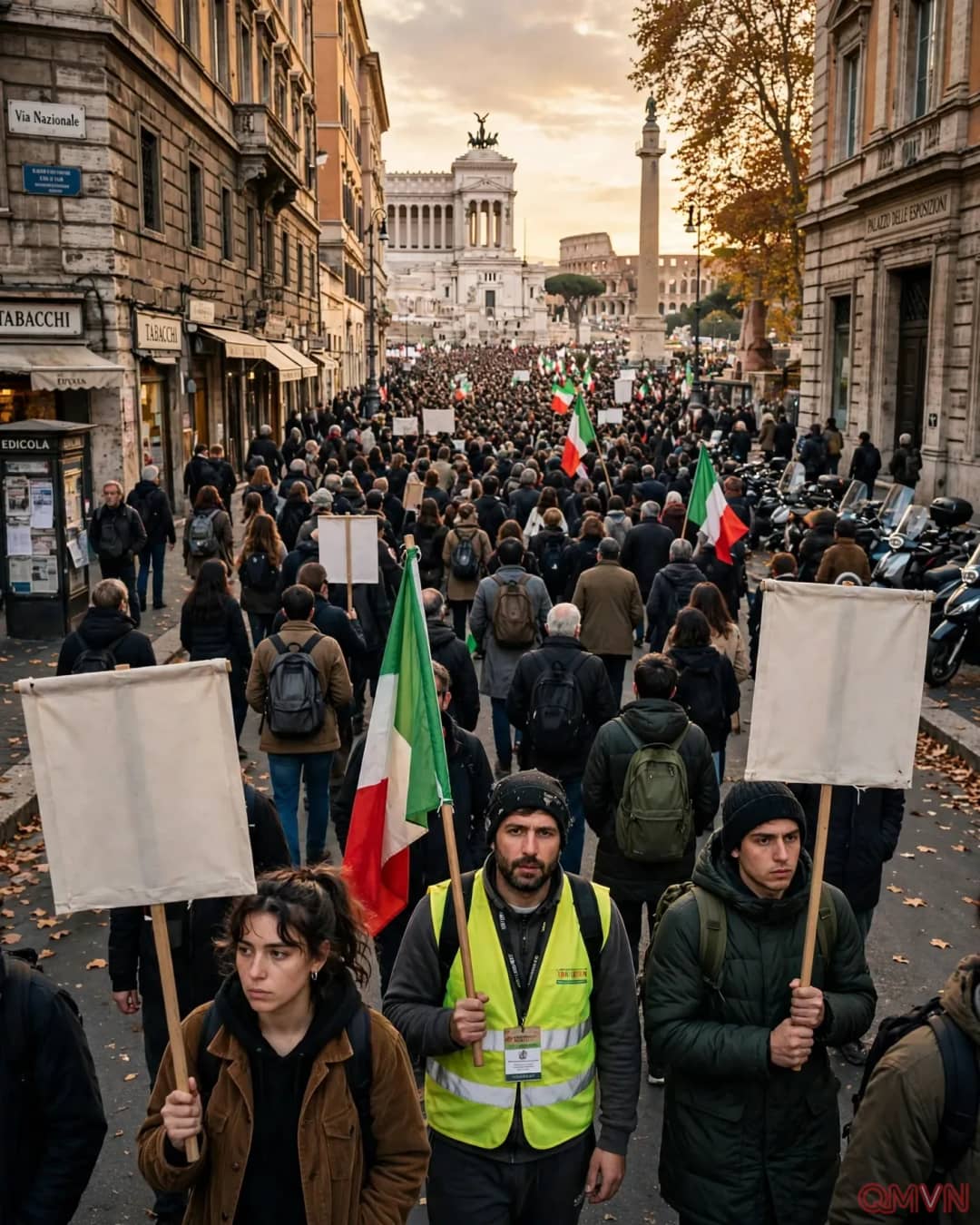
Act two of a rising anger
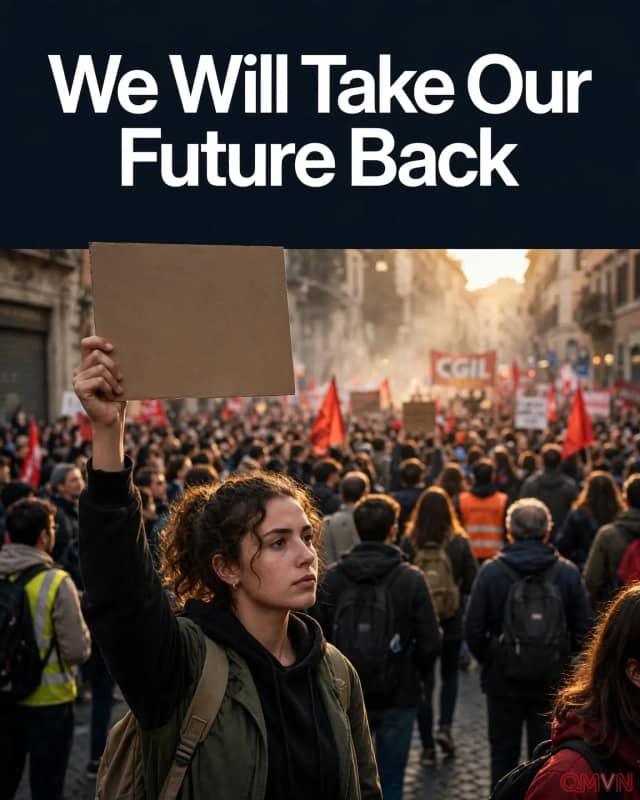
For many who marched on Friday, the mobilisation was the second act of a social anger that keeps building in Italy. The first came on October 30, when a national strike called by the grassroots Unione Sindacale di Base drew large crowds. This time, the call came from the CGIL itself, a heavyweight of Italian unionism, giving the movement a broader reach.
Italian media, starting with the regional press, reported a vast turnout across the peninsula. Schools, local transport, health services and public offices were disrupted, and smaller unions extended the action, with a separate rail strike planned from Friday evening into Saturday.
The opposition takes to the streets
In Rome, where around 50,000 people gathered, the march set off from Piazza Vittorio Emanuele II and was closed by CGIL secretary-general Maurizio Landini. The leaders of the main opposition parties joined the crowd: Elly Schlein of the centre-left Democratic Party, Giuseppe Conte of the Five Star Movement and Angelo Bonelli of the Greens and Left Alliance.
Their presence underlined the political dimension of the day. After four years in power, Meloni's right-wing coalition remains strong in the polls, and the opposition is seeking issues that can unite its fragmented camp. Wages, public services and the trade-off between welfare and defence have become their common ground. Other autonomous unions, such as Cobas, organised their own marches in Bologna and the capital.