Ukraine Keeps Striking Russian Oil Refineries, Four Days Before the First Three-Way Peace Talks Since February
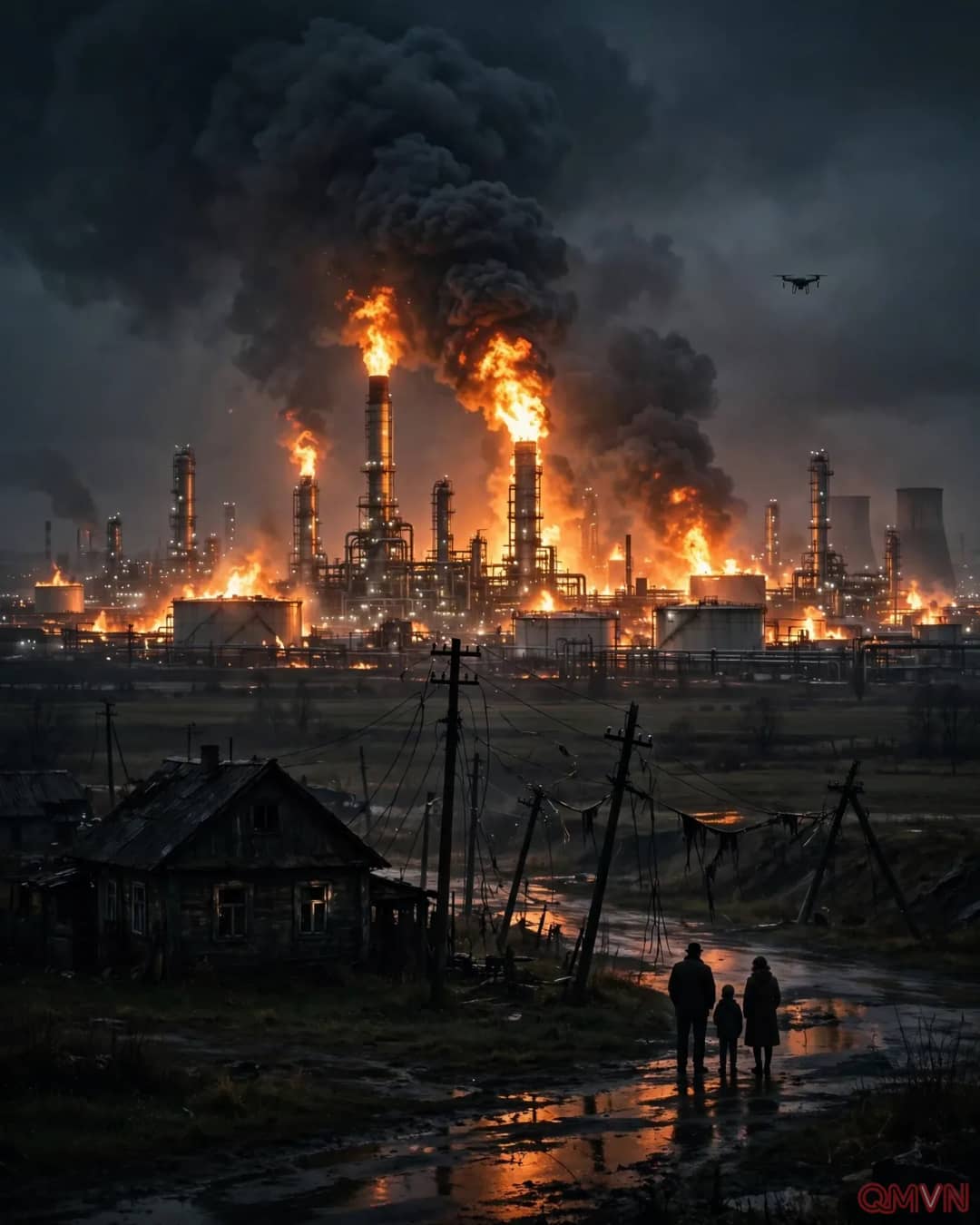
On Nov. 6, President Volodymyr Zelenskiy said Ukraine will keep attacking targets in Russia’s oil refining sector in response to Moscow’s relentless strikes on Ukraine’s power, heating and water systems. The statement came just four days before representatives of the United States, Russia and Ukraine are due to resume talks in Abu Dhabi, their first three-way meeting since February, aimed at finding a way out of a war now more than four and a half years old. Over the past week, Russian officials reported strikes on several oil and industrial facilities in Samara, Yaroslavl and Ryazan. US President Donald Trump has repeatedly asked Kyiv to stop targeting refineries over concerns about diesel prices, while Zelenskiy says he is ready to stop if Russia halts attacks on energy infrastructure. Moscow, for its part, accuses Kyiv of sabotaging peace efforts and says talks will not stop its strikes.
Edite QUANG MINH·2 min read · 4 min listen·6 November 2026, 20:13 EST·
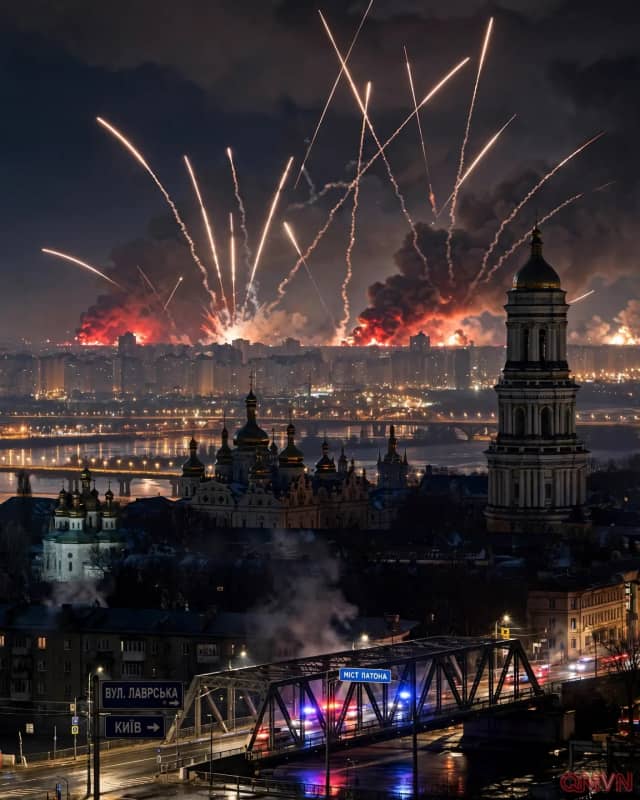
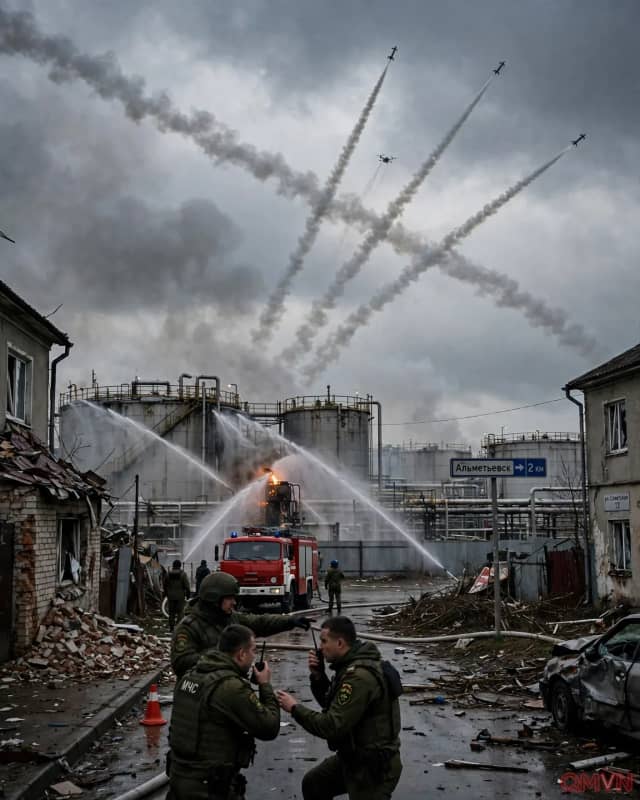
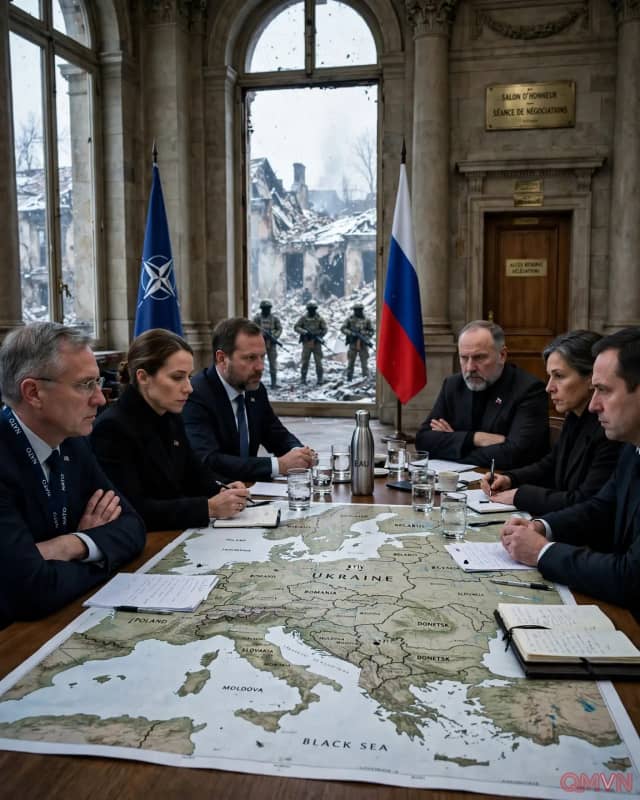
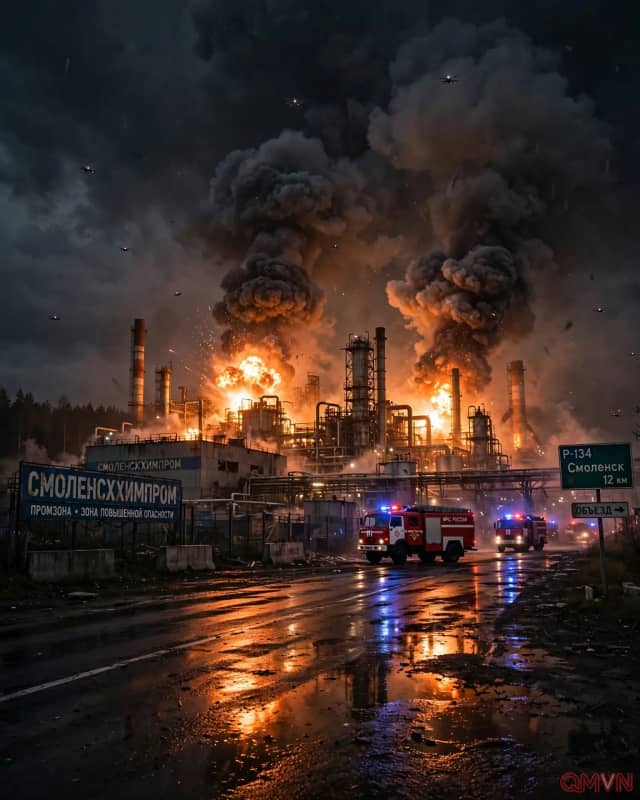
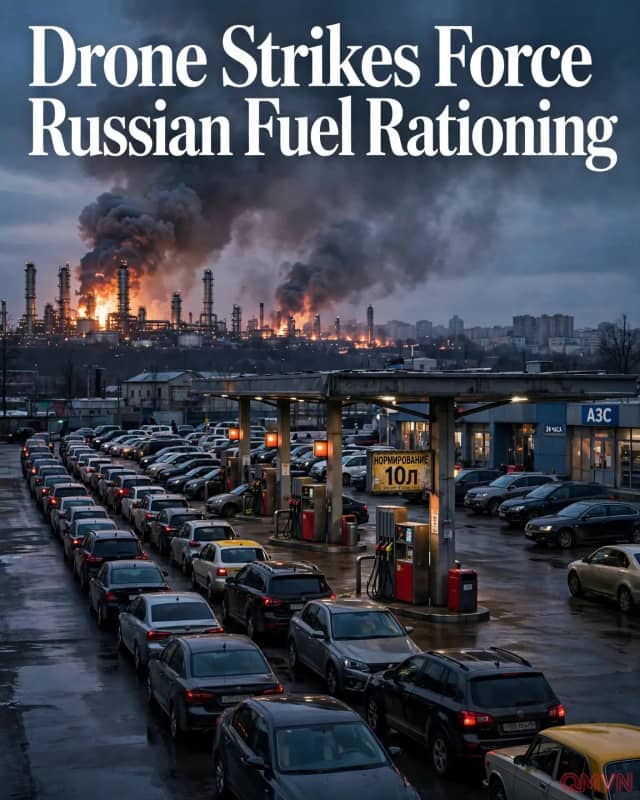
AI-generated illustration
A Hard Line on the Eve of Talks
Zelenskiy made the statement on Telegram after hearing a report on Ukrainian strikes on Russian territory. He said the campaign against Russia’s refining sector is a direct response to Moscow’s attacks on Ukrainian energy facilities.
The operation against the Russian oil refining sector is continuing.
The Ukrainian leader said the country’s power plants, energy networks, heating and water supply systems are under constant attack by Russian drones and missiles.
Advertisement
300 × 250
He accused Russia of failing to change the nature of its aggression, rejecting the de-escalation steps discussed by partners and planning further strikes.
A String of Strikes on the Refining Sector
Over the past week, Russian officials reported several attacks on oil and industrial targets, although Ukraine did not specifically claim responsibility for each one:
In the Samara region of central Russia, satellite imagery from Oct. 31 showed the aftermath of strikes on refineries in Novokuybyshevsk.
In Yaroslavl, north of Moscow, an oil-related target was hit.
In Ryazan, south of the capital, industrial facilities were also struck.
The attacks are part of Kyiv’s long-running campaign to erode oil revenues, a financial pillar of Moscow’s war effort.
Washington and the Diesel Price Problem
President Trump has asked Ukraine several times to stop attacking Russian refineries, arguing that the strikes push up diesel prices at a time when global energy markets are already strained. Zelenskiy has replied that Ukraine is ready to stop if Russia halts its attacks on energy targets. For its part, the Kremlin has accused Kyiv of using refinery strikes to derail US peace efforts, while declaring that the resumption of talks will not halt Russian strikes on Ukraine.
Abu Dhabi: A Fragile Opening
The Kremlin has confirmed that the three-way talks will take place in Abu Dhabi on Nov. 10-11. The decision to resume dialogue followed a roughly three-hour meeting between Russian President Vladimir Putin and US envoy Steve Witkoff in St. Petersburg on Oct. 21. According to Kremlin foreign policy adviser Yuri Ushakov, the discussions will focus on post-war security arrangements.
Building a security system for Russia and Ukraine after the conflict ends.
Still, the gap between the two sides remains wide. Their armies remain locked on the battlefield, and long-range strikes continue daily. The refusal of both Kyiv and Moscow to de-escalate right before the talks suggests each is seeking to maximize leverage, and civilians in both countries may face a harsh winter as energy infrastructure becomes a front line.
BACKGROUND OF THE EVENT.
The story began in February 2022, when Russia launched its full-scale invasion of Ukraine. Since then, energy has become a key front: every winter, Russia strikes Ukraine’s power grid and heating systems, which Kyiv and the West view as targeting civilians, while Moscow says it is hitting infrastructure that serves the military. Ukraine has responded with a long-range drone campaign against Russian refineries and fuel depots, disrupting production and causing fuel shortages in some regions. Kyiv considers these legitimate strikes on the war’s financing, while Moscow calls them acts of terrorism. After returning to the White House in 2025, Trump pushed several peace initiatives, from a summit with Putin in Alaska to three-way talks in early 2026, but without a breakthrough. The main sticking points remain territory, security guarantees for Ukraine and an energy ceasefire. At a deeper level, both sides believe that time and military pressure can yield an advantage at the negotiating table.
USEFUL LESSONS FROM THE ARTICLE
When energy becomes a front line, darkness falls on civilians first.
The negotiating table matters only when the guns are willing to step back.
Retaliation can be leverage, but it can also be a spiral with no exit.
Subscribe to the QMVN newsletter
A daily morning digest - only stories worth reading, no spam.