MAIN ARTICLE
Washington’s optimism meets Moscow’s rejection
At a White House news conference on November 20, Trump said Putin wanted a negotiated end to the war. Drawing on their recent discussions, he argued that Russian leaders face constraints in what they can say publicly. That distinction may explain the administration’s confidence, but it is still an assessment of another leader’s intentions rather than evidence that the central terms of peace have been agreed.
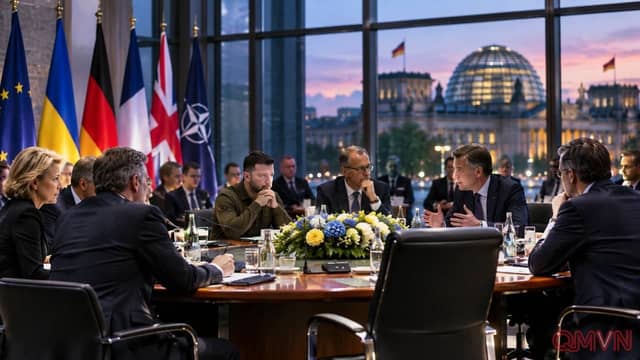
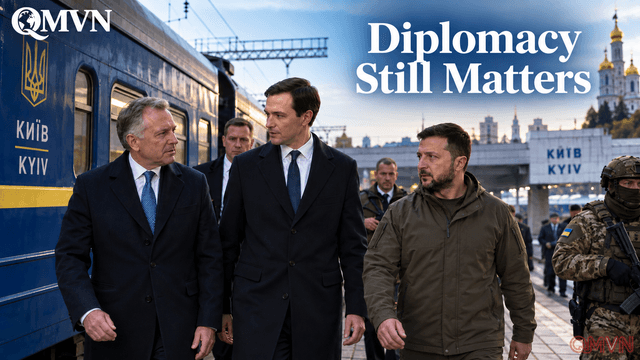
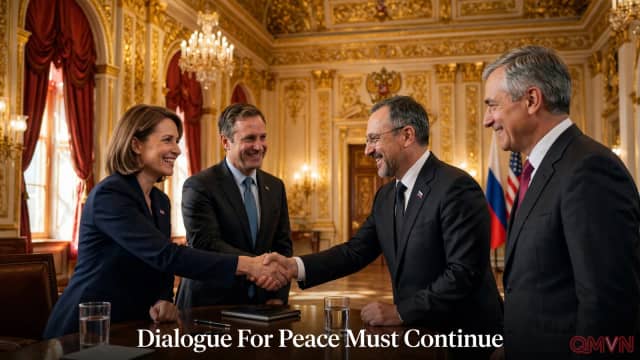
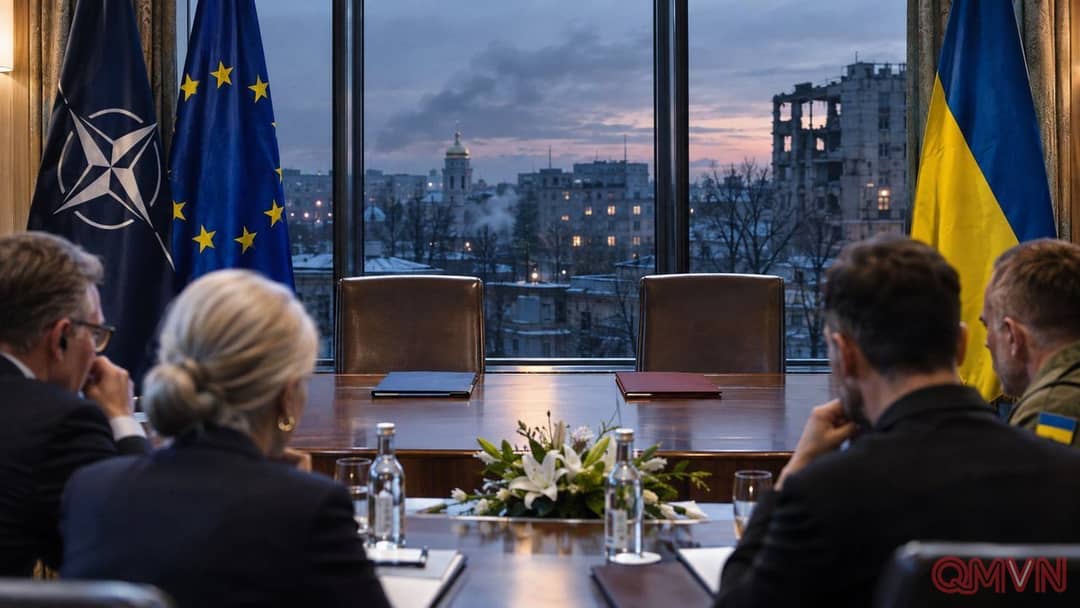
In Berlin the previous day, Kushner said Russian negotiators appeared comfortable with security guarantees for Ukraine modeled on NATO’s collective-defense principle. Reuters subsequently reported Ryabkov’s objection to any formula that would give Kyiv something akin to NATO membership. The statements clash over substance, not simply tone: U.S. negotiators are discussing how Ukraine could be protected after the war, while Moscow treats the proposed form of protection as a security threat in its own right.
What an Article 5-style guarantee would actually mean
NATO’s Article 5 rests on the principle that an attack against one ally is considered an attack against all. A similar pledge for a country outside NATO would not automatically confer membership or reproduce every treaty obligation.