MAIN STORY
A lawful search and an uneasy calendar
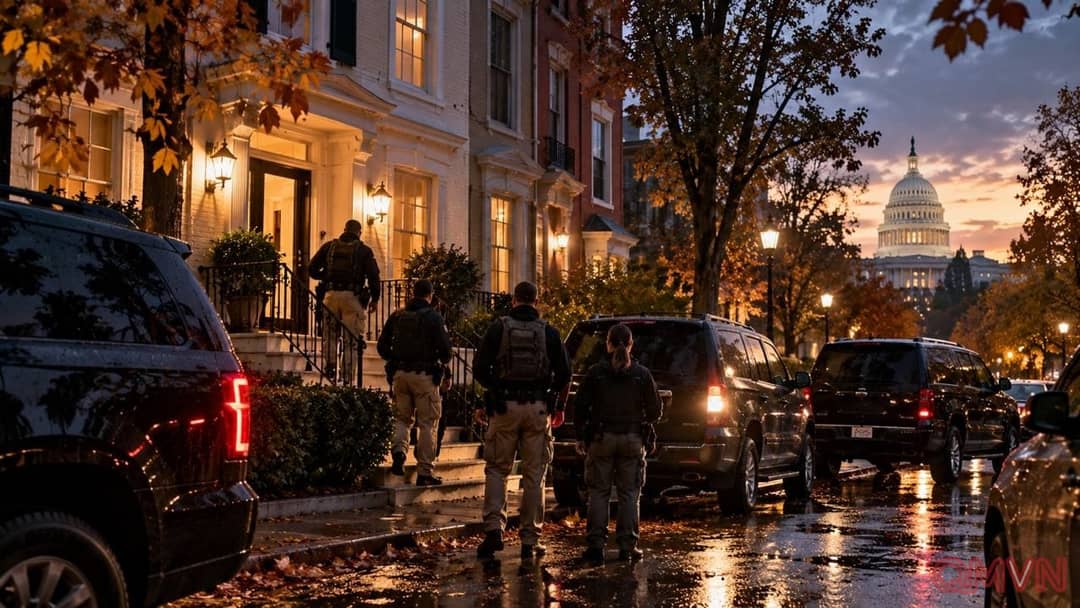
On the morning of October 12, agents from Homeland Security Investigations searched Ilhan Omar’s Washington residence. The Justice Department confirmed that a judge had authorized the operation but did not publicly set out the full scope of the inquiry or the underlying evidence. Reporting indicates that officials are examining questions about immigration documents associated with Omar’s family decades ago. The allegations remain unproven in the public record; Omar has denied wrongdoing and challenged the search.
The timing transformed a routine legal question into a larger institutional dispute. Omar is campaigning for another term in Minnesota’s Fifth Congressional District. With the vote only weeks away, observers have asked whether the public nature of the operation could influence the campaign, regardless of the case’s eventual outcome.
What the 60-day convention actually means
For decades, the Justice Department has generally avoided highly visible, politically sensitive investigative moves close to elections. Often called the “60-day rule,” this is a convention rather than a statute that freezes investigations.