MAIN STORY
A deliberately open answer
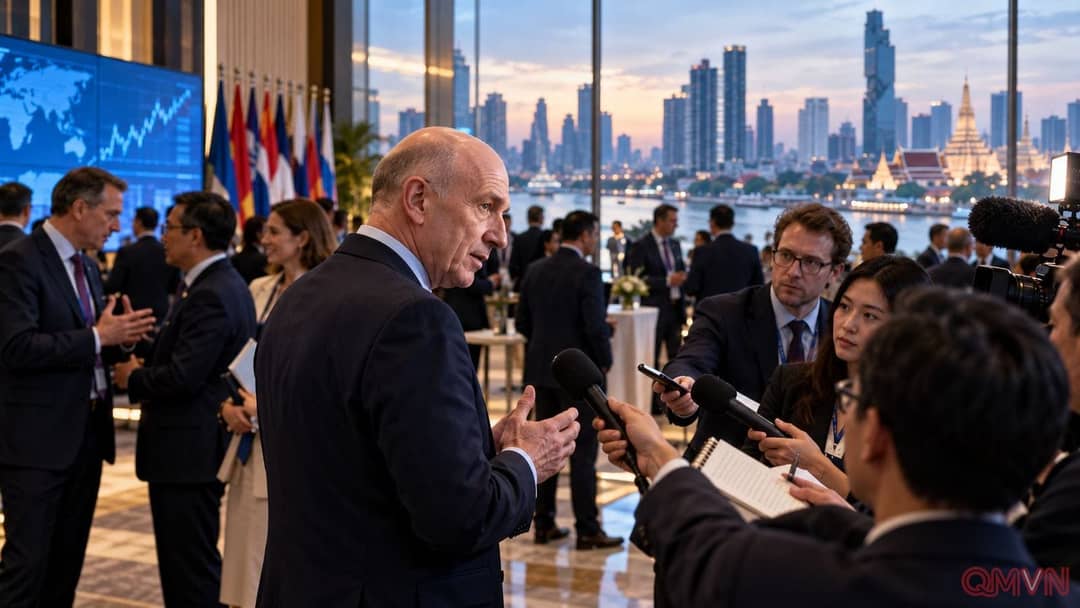
Questions from journalists at the Bangkok meetings focused on whether unusually strong bank profits might invite a windfall charge or an increase in an existing levy. John Healey neither endorsed nor rejected that prospect. His careful reply preserved the government’s freedom to decide what, if anything, belongs in the budget.
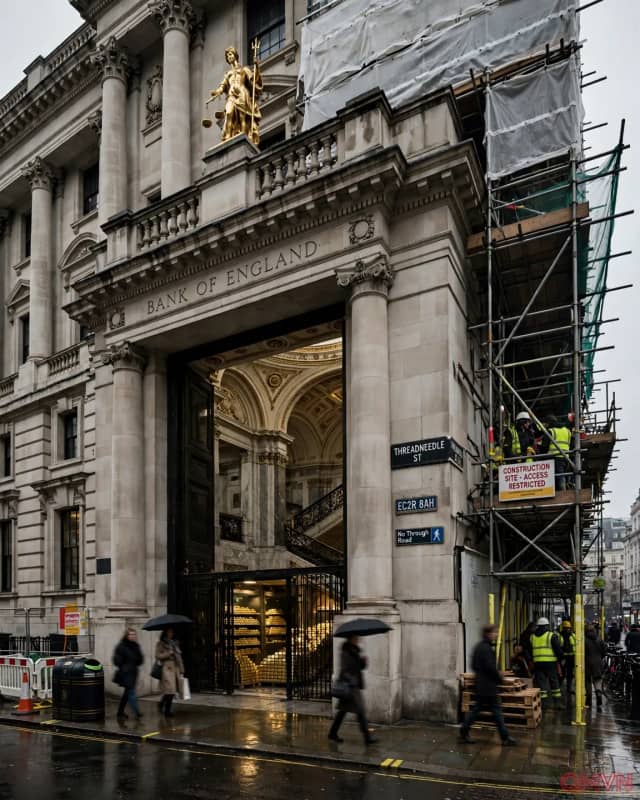
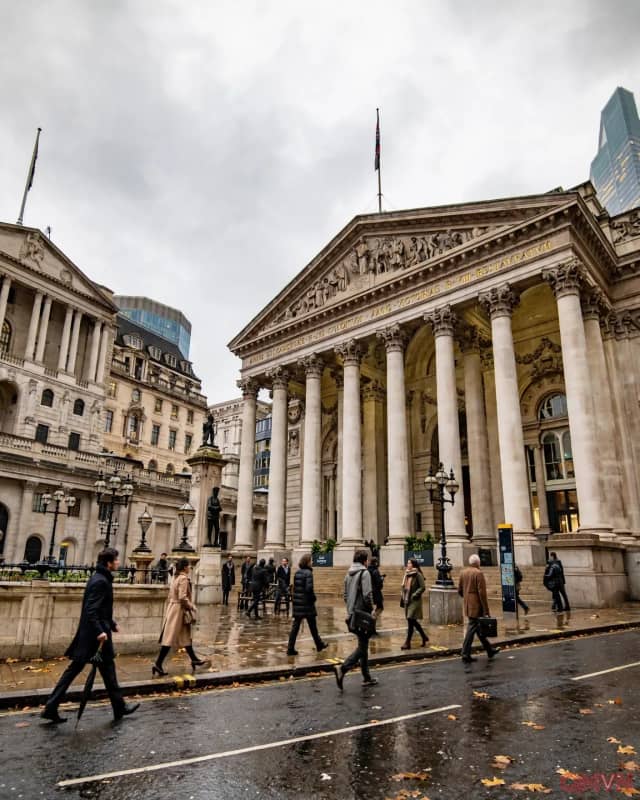
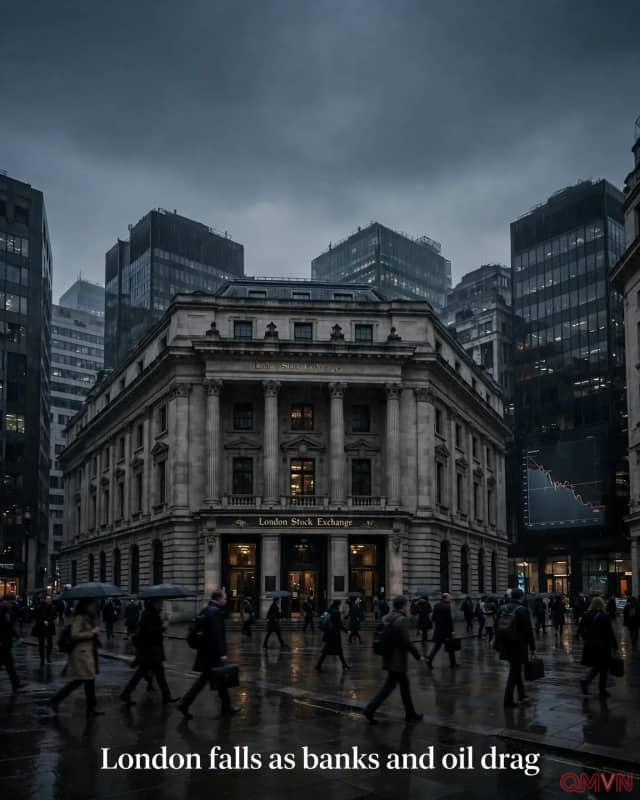
According to Reuters, he argued that banks should not be viewed simply as large, remote financial institutions: they are woven into the economic fabric and prospects of the United Kingdom. In a separate Bloomberg Television appearance, he described them as part of the jewel in the British economic crown. These observations explain his assessment of the industry; they do not constitute a promise to leave its taxes untouched.
Healey also stressed that he still had budget decisions to make. Asked whether heavier taxes could be paired with less demanding bank-capital rules, he declined to speculate about measures that have not yet been announced.
Two different kinds of special bank taxation
British banks already pay ordinary corporation tax alongside sector-specific charges. HM Revenue & Customs describes the bank levy as a charge based on eligible equity and liabilities on bank balance sheets.