MAIN CONTENT
Global uncertainty reaches London
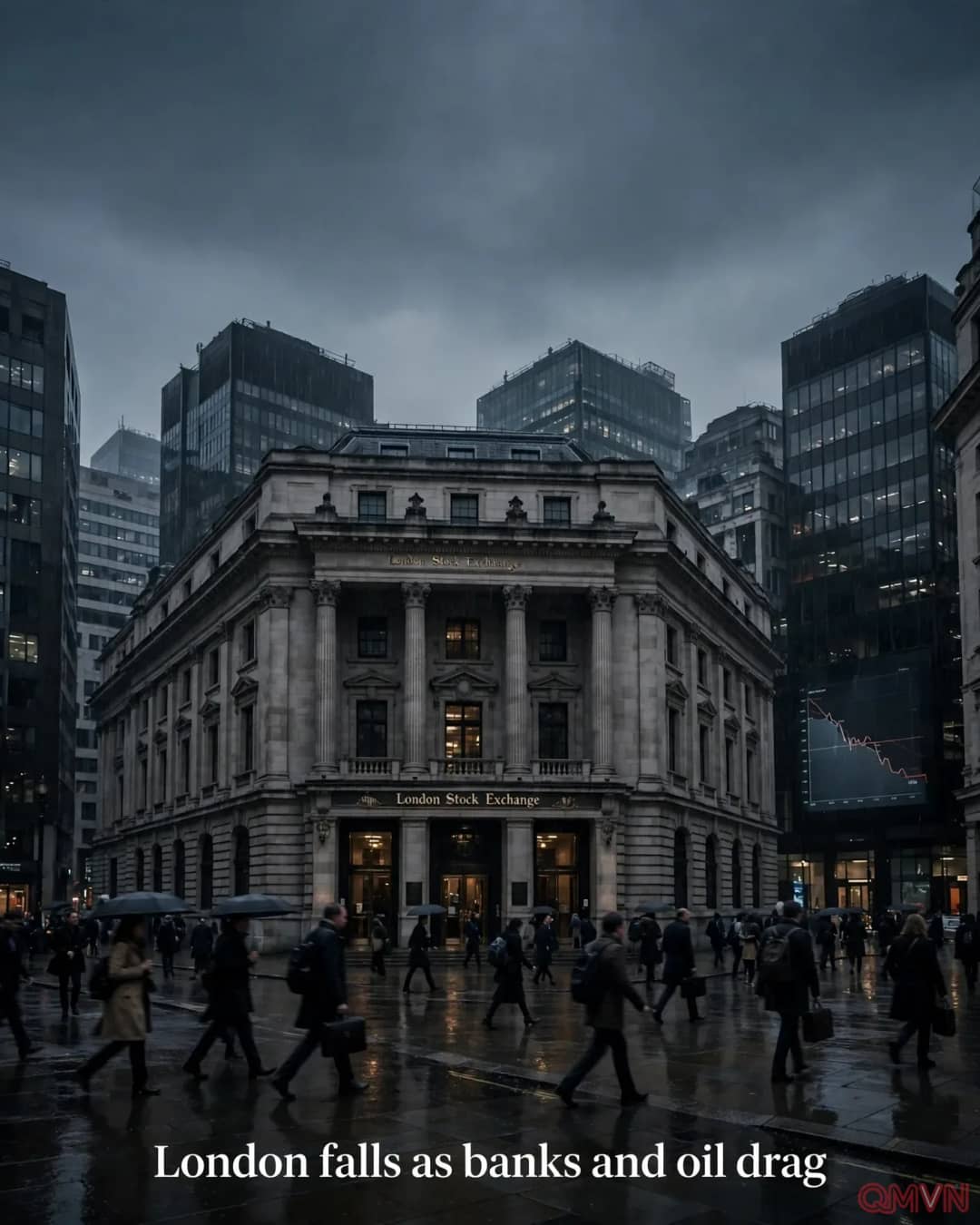
The decline in London was part of a broader withdrawal from riskier assets rather than a reaction to any single British announcement. Investors concerned about the durability of the global technology rally were reducing exposure across markets. International banks, energy producers and miners therefore became natural channels through which wider anxiety reached the FTSE 100. The index was on course for its steepest weekly fall in eight months, according to Reuters' midday report.
This matters because the FTSE 100 is not a simple barometer of the British household economy. Many constituents earn substantial revenue abroad and respond to commodity prices, exchange rates and global credit conditions. When investors sell internationally exposed companies, encouraging UK data can struggle to make an immediate difference to their share prices. The FTSE 250, whose businesses are generally more sensitive to domestic conditions, was also under pressure and headed for a seventh consecutive declining session.
Banks, energy groups and miners take the strain
Financial stocks led the retreat. Around midday, HSBC had fallen 2.3%, Standard Chartered 3.9% and Barclays 2.2%, according to Reuters. The figures reflect the market at that moment, not confirmed closing prices.