A Resolute Alarm Beneath Smoke-Choked Skylines
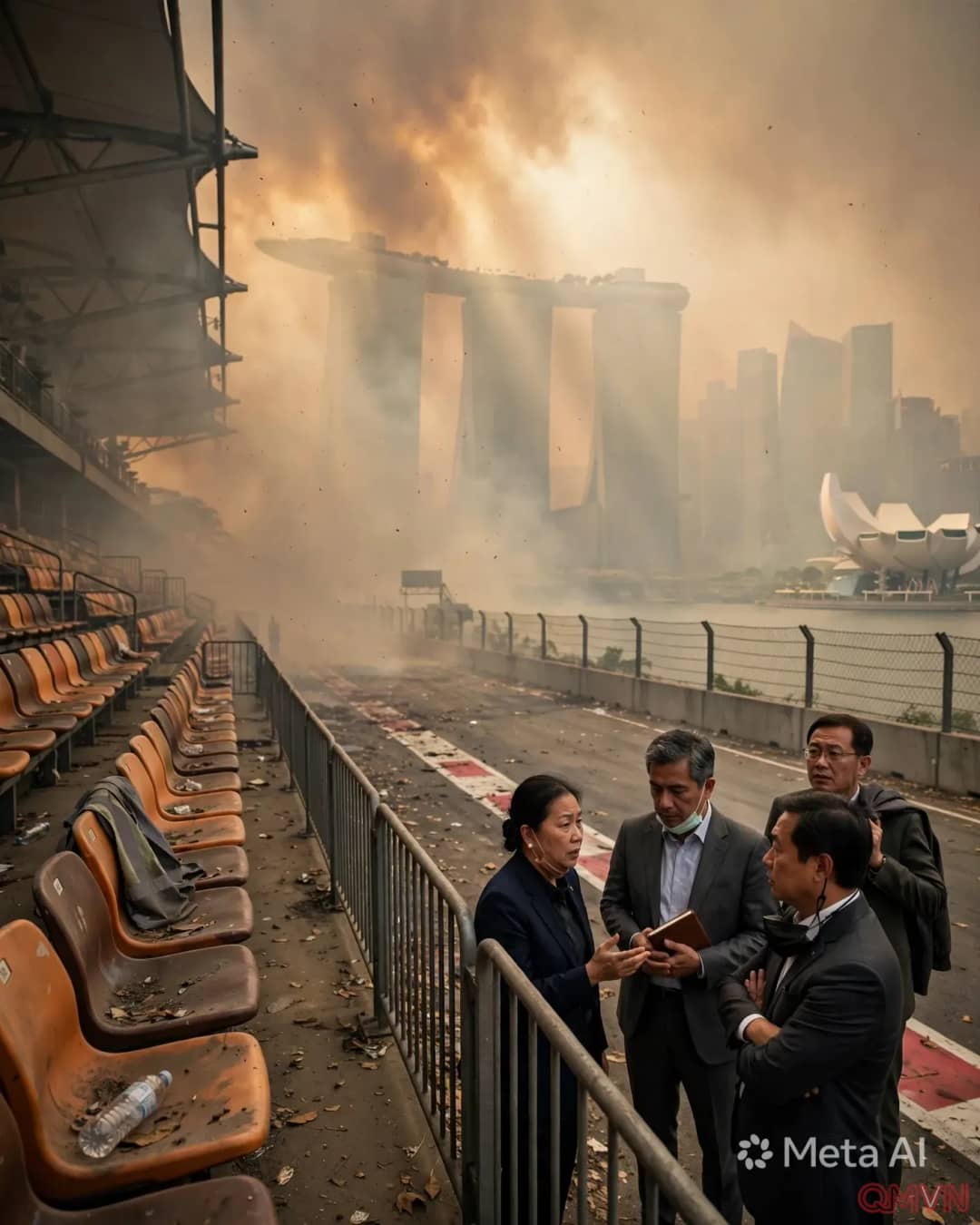
In early October, the vibrant skyline of Singapore's Marina Bay was enshrouded in a dense veil of acrid smoke, casting a visible pall over the high-profile Formula One Singapore Grand Prix and driving local pollutant standard indexes into hazardous territory. The sight of elite international drivers competing through grey particulate smog offered a stark, visual reminder of an environmental emergency that has plagued Southeast Asia for nearly three decades.
Beyond the disruption of international spectacles, the recurring haze inflicts devastating costs on public healthcare infrastructure, triggers sharp spikes in acute respiratory illnesses, and hampers vital tourism revenues across the region. Civic demands for genuine institutional transparency have reached a crescendo, urging regional leaders to move past symbolic communiqués toward enforceable multilateral action.
"It is in the agenda for the preparatory foreign ministers' meetings next month." Dominic Xavier Imperial
Diplomatic Mandates And The Consensus Paradox
Philippine Department of Foreign Affairs spokesperson Dominic Xavier Imperial reaffirmed that ASEAN foreign ministers intend to tackle the recurring transboundary haze decisively during their November preparatory gatherings. Under the leadership of the Philippines, Manila aims to champion enhanced inter-agency collaboration, including shared access to real-time satellite remote sensing datasets tracking active fire clusters and agricultural concessions.
Nevertheless, securing tangible enforcement across ten member states continues to navigate the ASEAN Way of strict non-interference in sovereign domestic matters. Enforcing legal culpability on multinational agribusiness conglomerates responsible for slash-and-burn clearing demands robust cross-border judicial cooperation—an imperative that the 2002 ASEAN Agreement on Transboundary Haze Pollution has frequently struggled to execute due to lacking compliance penalties.
Institutionalizing unified real-time satellite surveillance systems for rapid peatland fire detection.
Operationalizing regional emergency deployment mechanisms for rapid transboundary wildfire mitigation.
Strengthening multilateral corporate accountability standards across agricultural supply chains.
Transforming Economic Paradigms For Biosphere Preservation
Safeguarding the shared atmosphere requires confronting the underlying economic incentives governing carbon-dense tropical peatland development. As long as fire remains the cheapest, fastest mechanism for agricultural land clearance, seasonal fires will continue to disperse hazardous particulate matter across sovereign airspaces.
Global environmental economists argue that sustainable resolution necessitates pairing community-level agroforestry incentives with rigorous deforestation-free trade certifications. As ASEAN advances toward its Community Vision 2045, pristine air quality must not be viewed merely as an ecological aspiration, but as an indispensable cornerstone of human dignity and public well-being for more than 650 million citizens.