MAIN STORY
1. Three technologies behind one controversy
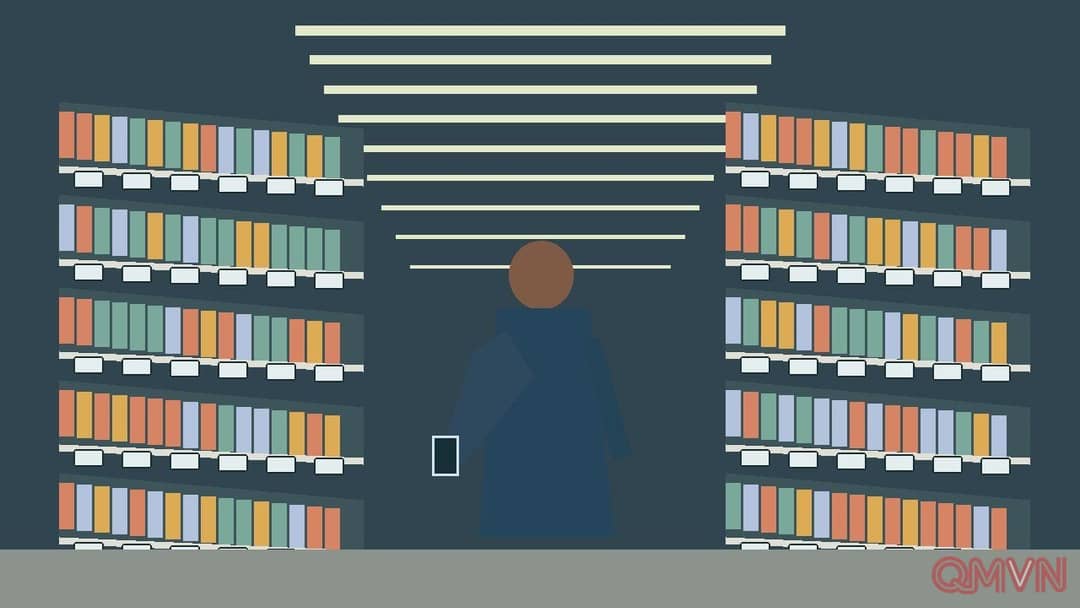
An electronic shelf label is a small screen that lets staff update displayed prices without replacing paper tickets. It does not inherently identify a shopper or read a phone. Dynamic pricing is different: businesses change prices in response to supply, demand, time or inventory, as airlines and ride-hailing services have done for years. Personalized pricing is a third practice, in which a company may use a shopper’s location, browsing history or purchase patterns to shape a price or discount.
Conflating these practices has fueled viral claims that every digital price label observes customers. Walmart says its electronic labels are not being used to change prices by shopper, weather or hour of day. Chief executive John Furner summarized the company’s position:
“We price the product, not the person.” — John Furner
2. Why personal data changes the debate
Concern is not entirely speculative. Preliminary FTC findings released in January 2025 described intermediaries capable of using detailed signals—from a person’s location and web history to shopping-cart behavior—to tailor prices or promotions.