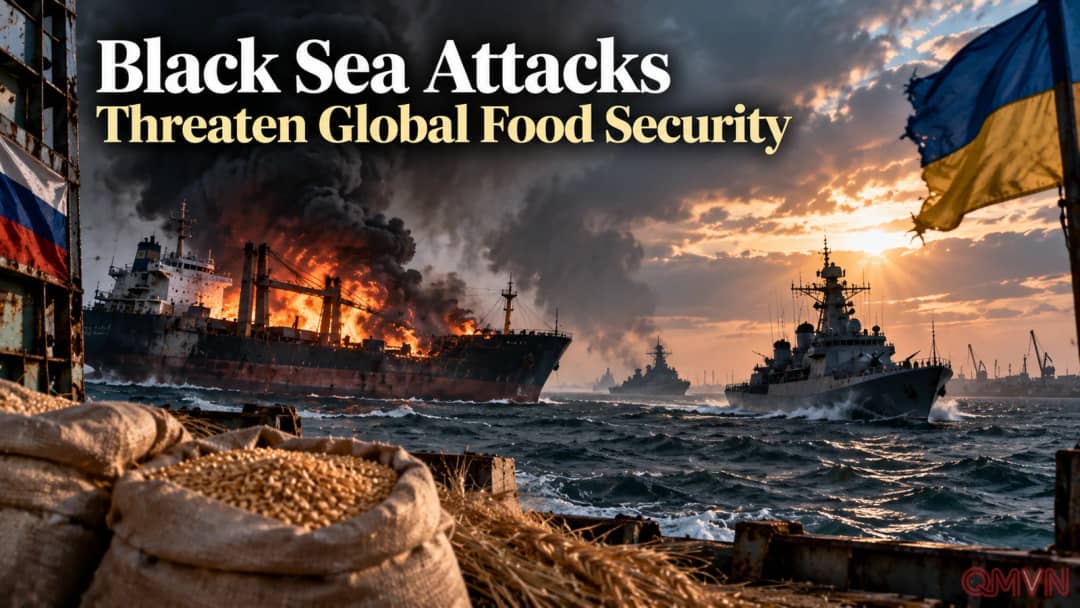
A maritime trade route becomes a wider battlefield
The Black Sea has long been a crucial gateway for Russian and Ukrainian wheat, maize and other agricultural commodities bound for the Middle East, North Africa and Asia. During the summer of 2026, however, attacks expanded from ports and their approaches to vessels operating across a wider area.
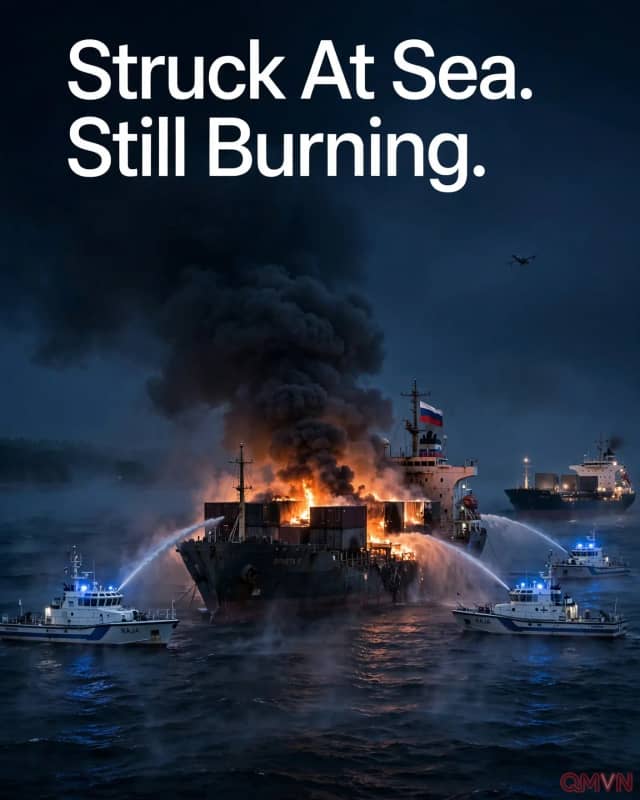
The Guardian reports that Omskiy-107, a Russian-flagged cargo ship, was hit by a Ukrainian drone near Novorossiysk. Its crew abandoned the vessel, which later drifted towards Turkey. Maritime-risk analysts warn that merchant ships are increasingly exposed because of the ports they visit, the cargoes they carry and the trading activity associated with them.
Reuters reported that reciprocal attacks have shut grain terminals and forced shippers to delay or cancel dozens of cargoes during the peak export season. Once civilian shipping and commercial infrastructure become entangled in military operations, the consequences spread beyond the belligerents into insurance markets, freight schedules and food supply chains.
Both major exporters are struggling to move grain
Russia is the world’s leading wheat exporter, while Ukraine remains an important supplier to international grain markets. Oxford Economics data cited by The Guardian indicates that more than 70% of Russia’s seaborne grain exports normally leave through Black Sea ports and another 20% through the Sea of Azov.