MAIN ARTICLE
New oversight powers, unresolved questions
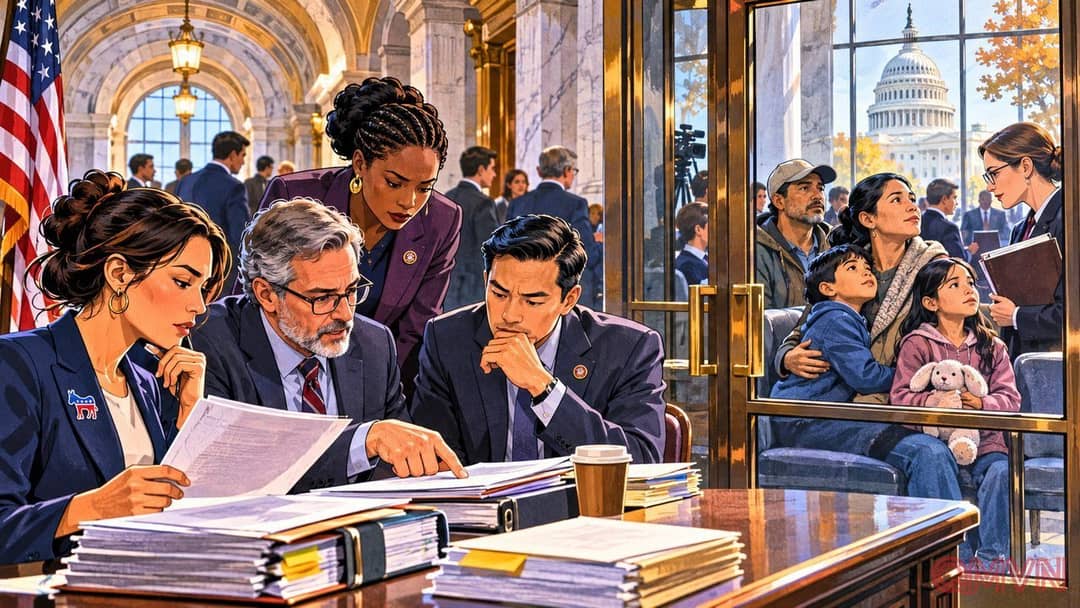
During the first two years of Trump's second term, minority Democrats relied heavily on public criticism and unofficial hearings to scrutinize immigration enforcement. A congressional majority gives their committees more consequential tools: formal subpoenas, document requests and hearings in which agency officials can be questioned on the record. The shift could turn disputes about arrests, detention conditions and the use of public funds into investigations built around documents, testimony and specific responsibility rather than competing political slogans.
Representative Robert Garcia, poised to lead the House Oversight Committee, has identified alleged abuses at DHS as a priority. Representative Bennie Thompson has also pledged to examine the administration's record. Investigators may ask about plans to purchase warehouses for detention, the speed of hiring and training enforcement officers, and deaths in custody. These are subjects for scrutiny, not findings of wrongdoing in themselves. Fair oversight must distinguish a documented failure from an allegation and give the agencies concerned an opportunity to respond.
From opposition to a workable reform agenda
Investigations alone cannot settle what immigration policy should become. Congress last came close to comprehensive reform in 2013, when a bipartisan proposal passed the Senate but stalled in the House.