MAIN CONTENT
When refrigeration becomes a cyberattack route
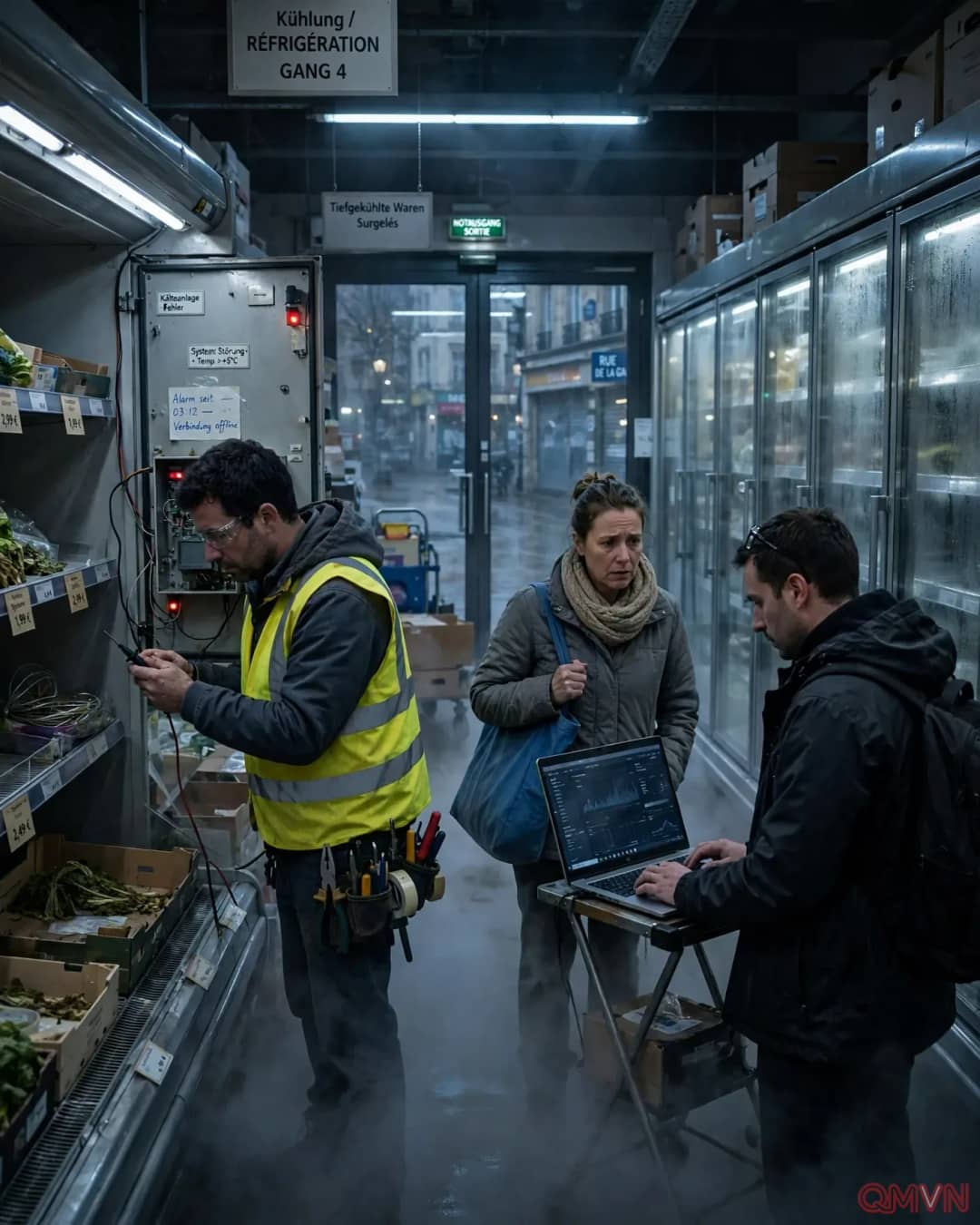
The recent intrusions show that criminals do not have to disable a power station or bank to cause substantial disruption. Commercial controllers maintain temperatures for meat, dairy products, produce and, in other settings, medicines. If an outsider reaches an internet-facing management interface and changes its settings, the consequences can appear within hours. Reuters reported incidents in France in October, followed by a broader wave across European countries in early November. Retailers discarded potentially spoiled food rather than risk selling goods whose safety could no longer be guaranteed.
Censys tracked two equipment families, Copeland/Dixell XWEB and Danfoss StoreView, and counted 6,695 internet-accessible hosts on October 9 versus 3,124 on November 5. That 53 percent reduction suggests exposure was being addressed. It does not prove that every remaining device is vulnerable or establish how many were compromised. A host disappearing from an internet scan may have been secured, reconfigured or merely disconnected temporarily.
Swedish retailer Coop told CNBC that some stores attacked in early November had already been scheduled for security improvements only two days later. That narrow gap illustrates the asymmetry: businesses patch and upgrade according to operating schedules, while adversaries may exploit the interval before promised protection arrives.