MAIN ARTICLE
A meeting intended to preserve the agreement
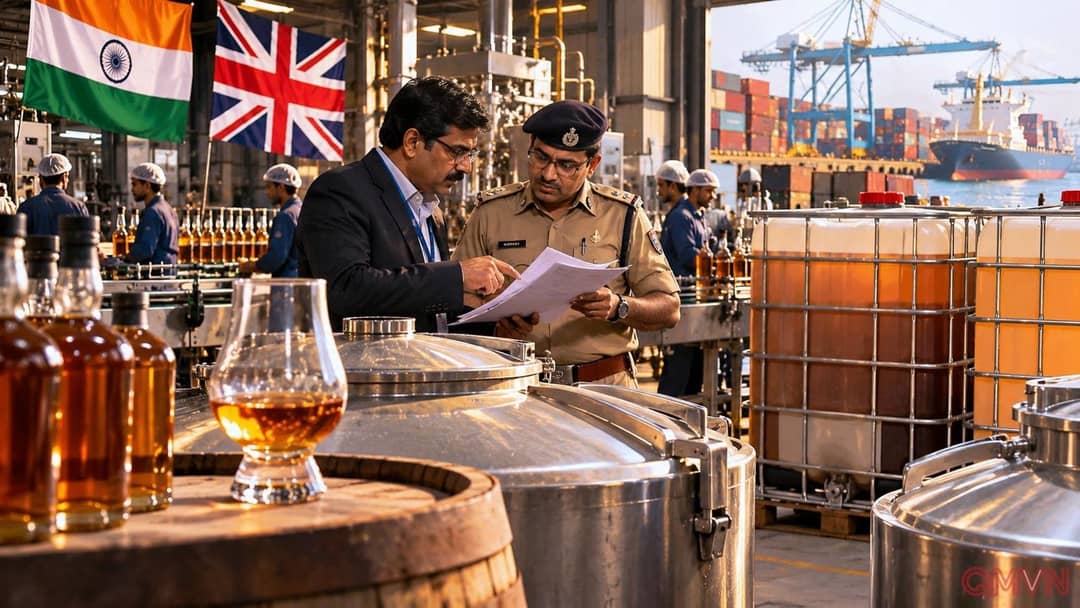
On November 2, representatives of the spirits industry met Indian commerce officials about the application of the bilateral agreement that took effect in July. Sources cited by Reuters said Commerce Secretary Rajesh Agrawal indicated that steps were being taken to ensure that the agreed concession for bulk Scotch imports was not impaired. The message gave producers reason for cautious relief. It was, however, an assurance about the government's intended approach rather than a published final ruling on every shipment under scrutiny.
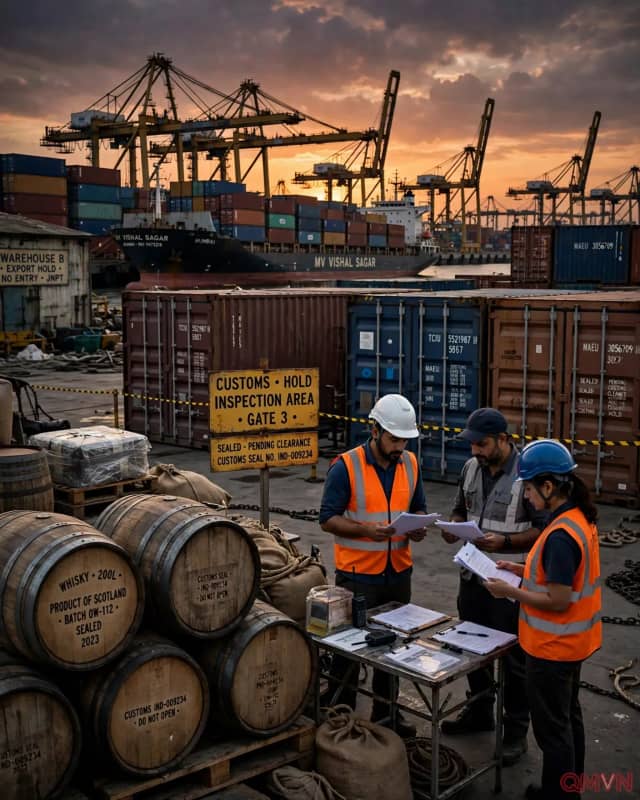
The meeting followed inquiries and searches involving major beverage businesses. International names such as Diageo and Pernod Ricard, together with Indian companies including Radico Khaitan and Allied Blenders and Distillers, have interests in the affected supply chain. The immediate question is not whether negotiators promised a lower rate; it is which goods customs authorities will recognise as entitled to that rate.
Why customs classification became decisive
Under the agreement, the duty on eligible Scotch whisky fell from 150% to 75% when the pact began, with a scheduled decline to 40% over ten years. Industry representatives argue that whisky does not cease to be whisky when it travels in large containers instead of retail bottles. Investigators, by contrast, have questioned whether some bulk consignments should fall under a category for alcoholic preparations used in beverage manufacture, rather than the tariff heading for whisky.