Violence spreads ahead of a planned return
The Awami League called Thursday’s “nationwide lockdown” as the culmination of a week-long campaign of protests against the government’s rejection of Hasina’s request for a new passport and identity card. She plans to return home in December.
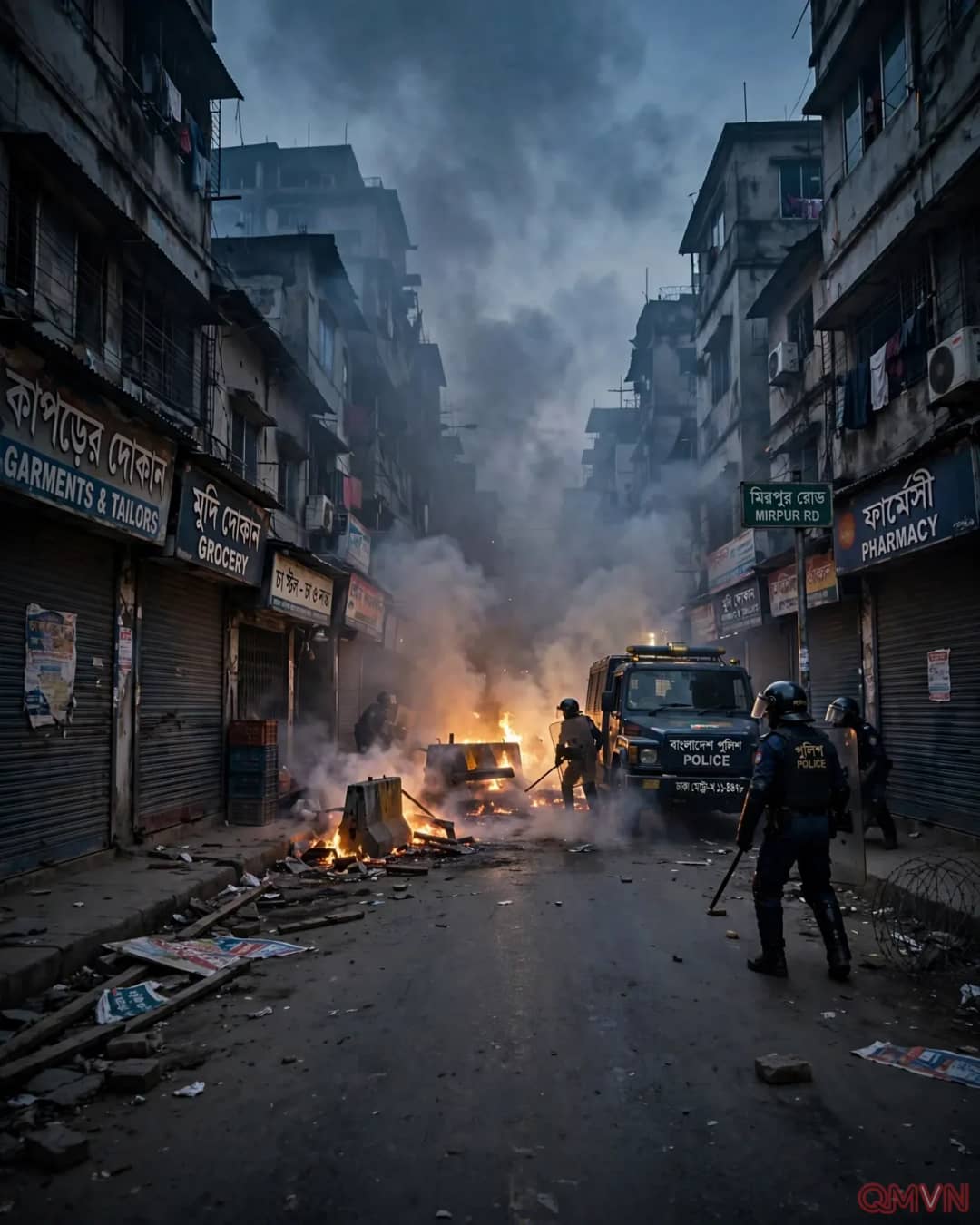
According to media reports, during the past 10 days of protests, police have recorded dozens of crude bomb blasts and vehicle arson incidents in at least 28 districts, injuring several police officers and members of the public. Two members of the ruling party were killed in the violence, police said. On Nov. 17, the Tungipara police station in Gopalganj was engulfed in flames after activists of the banned party were arrested.
Yunus’s ancestral home set on fire
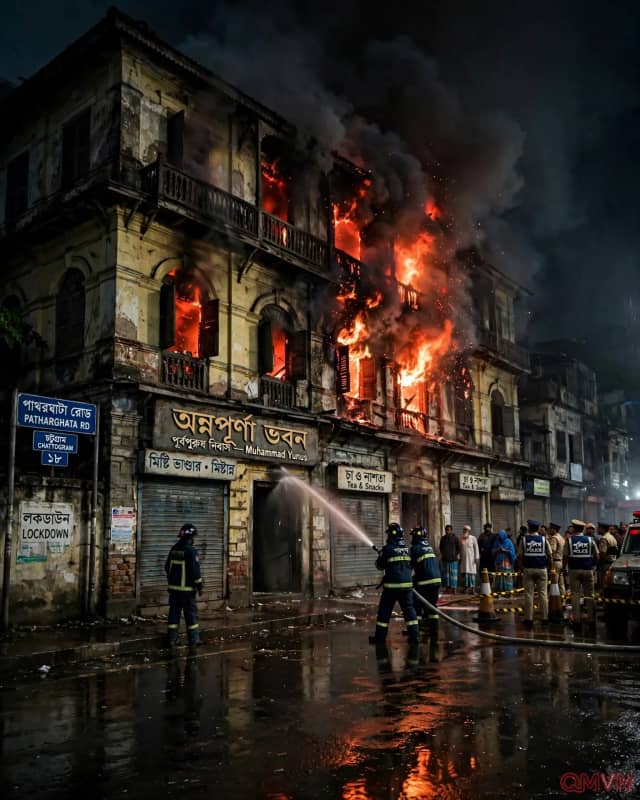
Police said the ancestral home of Muhammad Yunus in Chattogram, about 300 km southeast of the capital, Dhaka, was set on fire late on Wednesday. According to Mozammel Haque, chief of the Panchlaish police station, flammable substances were likely thrown into an unused ground-floor room, while Yunus’s paternal relatives living on the upper floors were safe.
Reuters could not immediately reach the Yunus Centre, which speaks on his behalf.
Yunus and the interim government he led after Hasina’s ouster have faced hostility from her supporters. According to Grameen Bank, at least 37 of its branches and offices have been targeted in arson attacks or attempted fires since Nov. 10, with 14 more attacked since midnight on Tuesday.
High-profile arrests
Alongside the violence, authorities have detained several figures allegedly linked to the Awami League:
Actress Jyotika Jyoti was detained at her home in Dhaka. Before her arrest, she went live on Facebook saying police were at her door to detain her without a warrant. According to reports, several cases have been filed over her alleged links to the banned party’s activities, but the specific charges remain unclear.
Former education minister Nurul Islam Nahid, who faces charges over several killings during the 2024 protests, was detained at his home in Dhaka, according to police officer Mohammad Khalid Mansur.
These arrests, especially that of a well-known artist, raise questions about the line between maintaining security and protecting political freedoms in a society that remains deeply divided.
The government tightens security
To deter violence, the government has taken several forceful steps:
Ninety-seven platoons of the Border Guard Bangladesh have been deployed across seven districts, including Gopalganj and Faridpur, considered to have many Hasina supporters, according to spokesperson Shariful Islam.
Home Minister Salahuddin Ahmed accused Awami League leaders abroad of inciting supporters to destabilize the country and torch property.
Ahmed said those involved in the violence would be identified and prosecuted.
Awami League leaders, most of them in hiding, could not be reached for comment. In this climate, Hasina’s planned December return has become a potential spark for a new spiral of instability.