Microeconomic Architecture Powering Modern Central Banking Stabilization
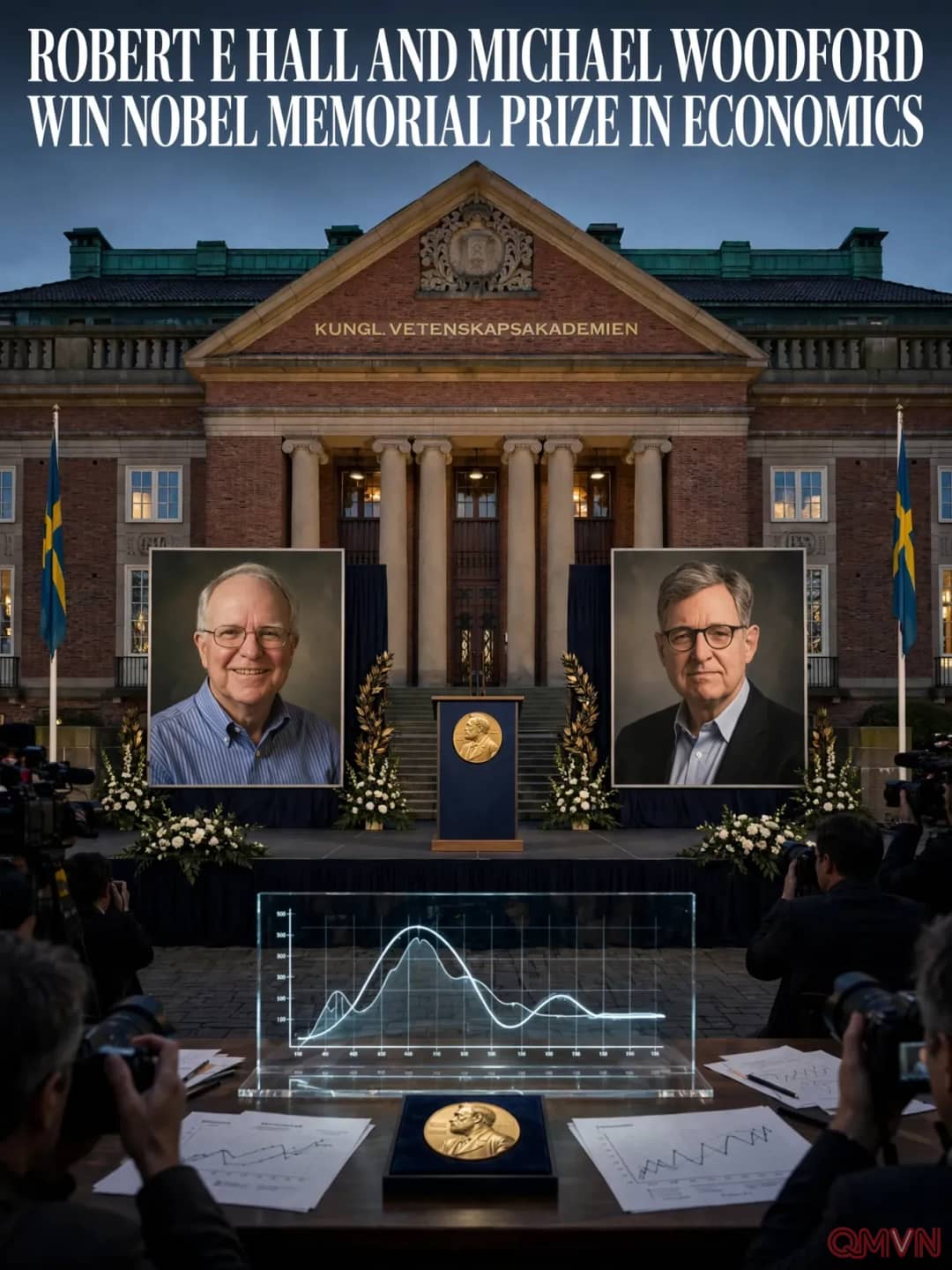
Announcing the distinguished laureates in Stockholm, the Nobel committee recognized Robert E. Hall of Stanford University in California and Michael Woodford of Columbia University in New York for constructing empirical and theoretical bridges connecting individual microeconomic behaviors to aggregate macroeconomic stabilization. Their modeling breakthroughs fundamentally revolutionized how modern policymakers calibrate interest rate instruments and monetary interventions.
Michael Woodford is globally revered as the intellectual architect of the modern New Keynesian macroeconomic consensus, formalizing the doctrine of central bank forward guidance that governs policy communication at the Federal Reserve and the European Central Bank.